The Kingston of A Brief History of Seven Killings

Marlon James's many-voiced novel turns on the 1976 attempt on the life of the reggae singer Bob Marley, the Singer, two days before a peace concert, and the political gang warfare of Kingston that lies behind it. The real city is its ground: the Singer's house on Hope Road where the gunmen strike, the ghetto garrisons of West Kingston tied to the rival parties, and the concert in the park; the story later follows the dons and their trade north to New York.

Author
Marlon James, 2014
Places
5

Open the interactive map →

December 3, 19760% in
Bam-Bam

Hope Road (the Singer's house)

December 3, 1976
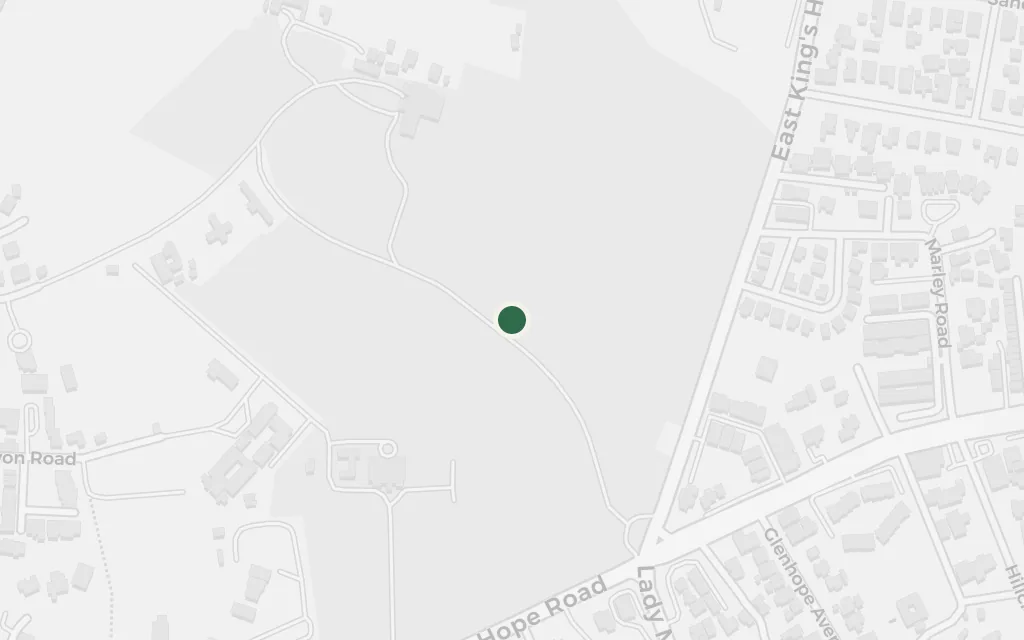
Map of Hope Road (the Singer's house) today
Kingston today

A carful of young gunmen, among them the doomed Bam-Bam, shoot up the Singer's house on Hope Road two nights before a peace concert, wounding him and others. James spins the whole novel out from this real, half-explained attack, using its many possible tellers to anatomise a whole society's violence.

December 3, 1976

explicitThe central event is the gun attack on the Singer at his house on Hope Road, drawn from the real 1976 attempt on Bob Marley's life at 56 Hope Road in Kingston, now the Bob Marley Museum.
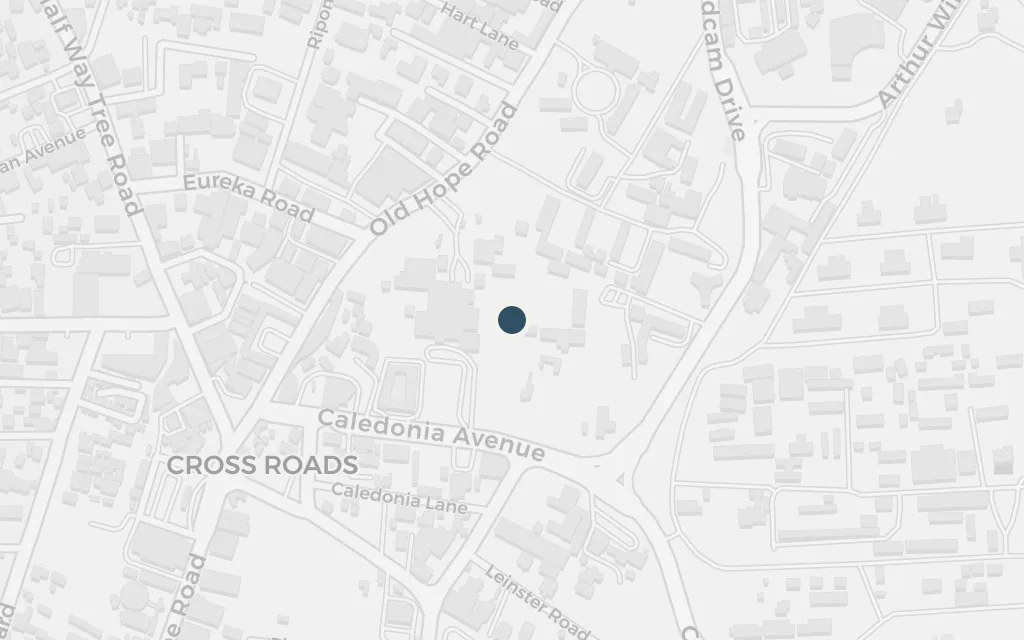
Open in Google Maps ↗Street View ↗

The ghetto25% in
Papa-Lo

West Kingston (the garrison)

The ghetto

Map of West Kingston (the garrison) today
Kingston today

In the shantytown fiefdom the aging don Papa-Lo rules by a code that the ruthless Josey Wales is outgrowing, and the parties arm the gangs that terrorise and turn out the vote. The garrison, its yards and zinc fences and allegiances, is the engine room of the violence the whole book maps.

The ghetto chapters

explicitThe gunmen come from the ghetto garrisons of West Kingston, drawn from real areas like Trench Town and the political strongholds tied to the two parties; the novel's Copenhagen City is sited in that world.

Open in Google Maps ↗Street View ↗

December 5, 197650% in
Nina Burgess

The Smile Jamaica concert

December 5, 1976

Map of The Smile Jamaica concert today
Kingston today

Wounded and afraid, the Singer plays the peace concert anyway before a vast, uneasy crowd, and the civilian Nina Burgess, who once slept with him and now just wants out of Jamaica, watches from the edge of it. Through ordinary witnesses like her, James measures the cost of the gunmen's wars on people trying only to survive them.

December 5, 1976

explicitTwo days after being shot, the Singer performed at the free Smile Jamaica concert in a Kingston park, a real event; the novel sites its crowd and its fear at that concert.

Open in Google Maps ↗Street View ↗

The war75% in
Josey Wales

Downtown Kingston (the gang war)

The war

Map of Downtown Kingston (the gang war) today
Kingston today

As Josey Wales seizes power and ties the gangs to the CIA-shadowed politics of the Cold War and the coming cocaine trade, the city turns into a battlefield. James follows the killings outward from Kingston into an international web of drugs, spies and revenge that will run for decades.

The war chapters

inferredThe tribal war between the parties' enforcers spreads through downtown Kingston and the ghettos; sited in the real central city where the political gang violence of the era was concentrated.

Open in Google Maps ↗Street View ↗

The 1980s100% in
Josey Wales

New York (the trade)

The 1980s

Map of New York (the trade) today
Kingston today

By the 1980s the war has moved north, into the crack trade of New York, where Kingston gunmen become American dons and the old scores are still being settled. The move to New York lets James turn a Jamaican story into a hemispheric one, the seven killings of the title multiplying across borders and years.

The New York chapters

explicitThe later sections follow the Jamaican dons and their crack-cocaine networks to New York; the real city is where the story's violence relocates, far outside the Kingston setting.

Open in Google Maps ↗Street View ↗