The London and Paris of A Tale of Two Cities

Between London and a Paris sliding into revolution, Dickens weaves the fates of the recalled prisoner Dr Manette, his daughter Lucie, the aristocrat Charles Darnay and the wasted lawyer Sydney Carton, toward a sacrifice at the guillotine. The novel maps two real cities: Tellson's Bank and the Old Bailey in London, and in Paris the wine-shop of Saint-Antoine, the stormed Bastille, and the Place de la Révolution where the blade falls.

Author
Charles Dickens, 1859
Places
5

Open the interactive map →

Recalled to life0% in
Lucie

Tellson's Bank, London

Recalled to life
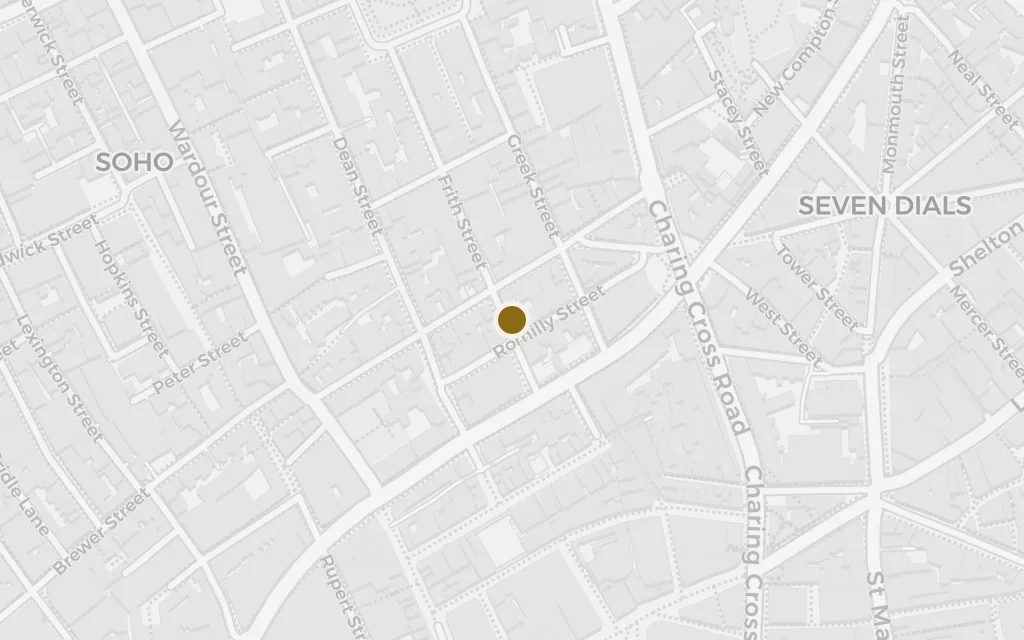
Map of Tellson's Bank, London today
London and Paris today

In London, the banker Jarvis Lorry and the devoted Lucie receive her father Dr Manette, 'recalled to life' after eighteen years in the Bastille, and slowly draw him back from madness in their quiet Soho corner. Dickens sets the ordered, comfortable English city against the France to come, the peace whose price is the memory of another country's buried wrong.

Book the First

explicitThe London of Tellson's Bank and the Manettes' Soho home is the real city where the recalled Dr Manette is nursed back to life; sited in the West End.
Open in Google Maps ↗Street View ↗

The trial25% in
Sydney Carton

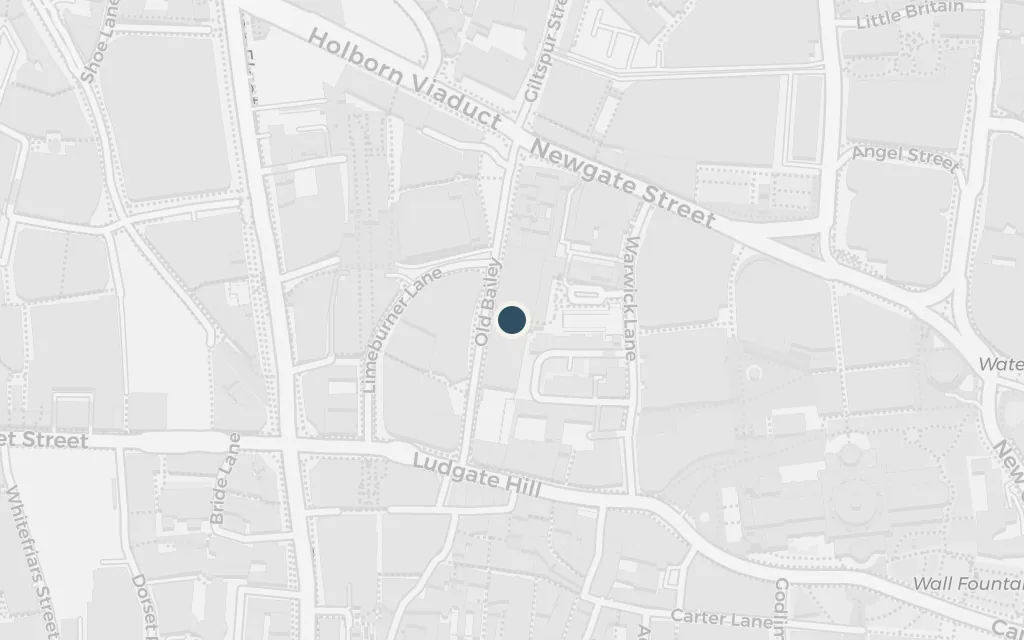
The Old Bailey

The trial

Map of The Old Bailey today
London and Paris today

At the Old Bailey, Charles Darnay stands trial for his life on a charge of treason, and is acquitted only when the idle lawyer Sydney Carton points out how alike the two men are. Dickens introduces here the fatal resemblance between Darnay and Carton, and the wasted, self-loathing brilliance of the man who will one day put it to its final use.

Book the Second

explicitCharles Darnay is tried for treason at the Old Bailey, the real central criminal court of London, where Sydney Carton first saves him; sited there.

Open in Google Maps ↗Street View ↗

The wine-shop50% in
Madame Defarge

Saint-Antoine, Paris

The wine-shop

Map of Saint-Antoine, Paris today
London and Paris today

In the Paris faubourg of Saint-Antoine, the Defarges keep their wine-shop, and Madame Defarge knits into her register the names of all who will die when the day comes. Dickens makes the poor quarter, where a cask of spilled wine stains the street like blood, the gathering-place of a fury built from real and ancient wrongs.

Book the Second

explicitThe Defarges' wine-shop stands in the Faubourg Saint-Antoine, the real revolutionary working-class quarter of Paris; sited there.

Open in Google Maps ↗Street View ↗

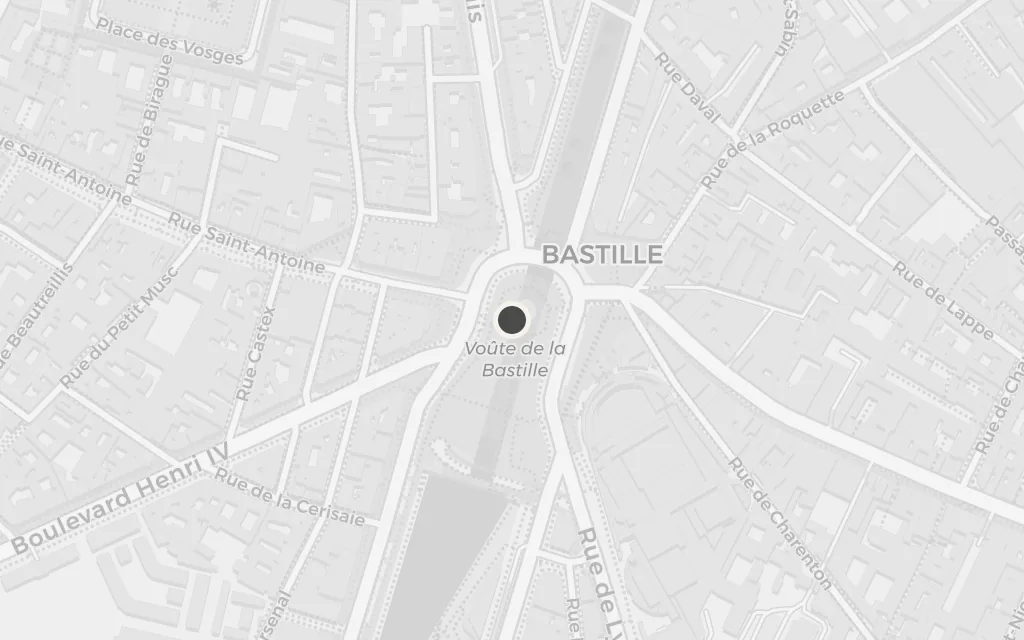
178975% in
Madame Defarge

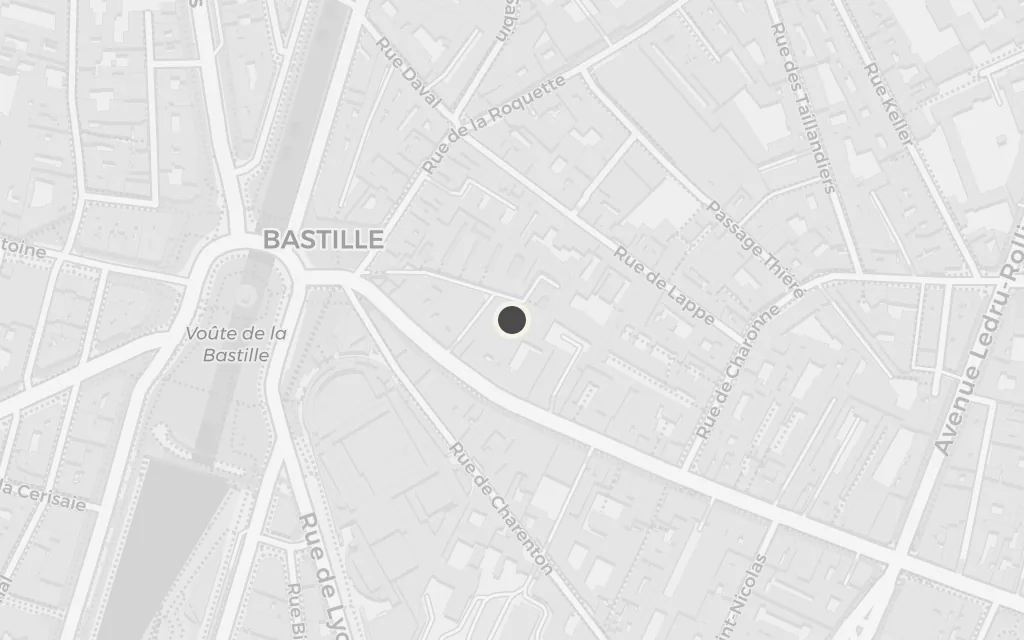
The Bastille

1789

Map of The Bastille today
London and Paris today

When the people storm the Bastille, Defarge searches the cell where Dr Manette was held and prises loose the paper that will damn the aristocratic Evrémondes, Darnay's own family. Dickens turns the great symbolic act of the Revolution into a hinge of his plot, the fortress falling and the buried past rising with it to claim the innocent.

Book the Second

explicitThe storming of the Bastille in July 1789, in which the Defarges lead the crowd, is a real event; sited at the fortress in Paris.

Open in Google Maps ↗Street View ↗

The sacrifice100% in
Sydney Carton

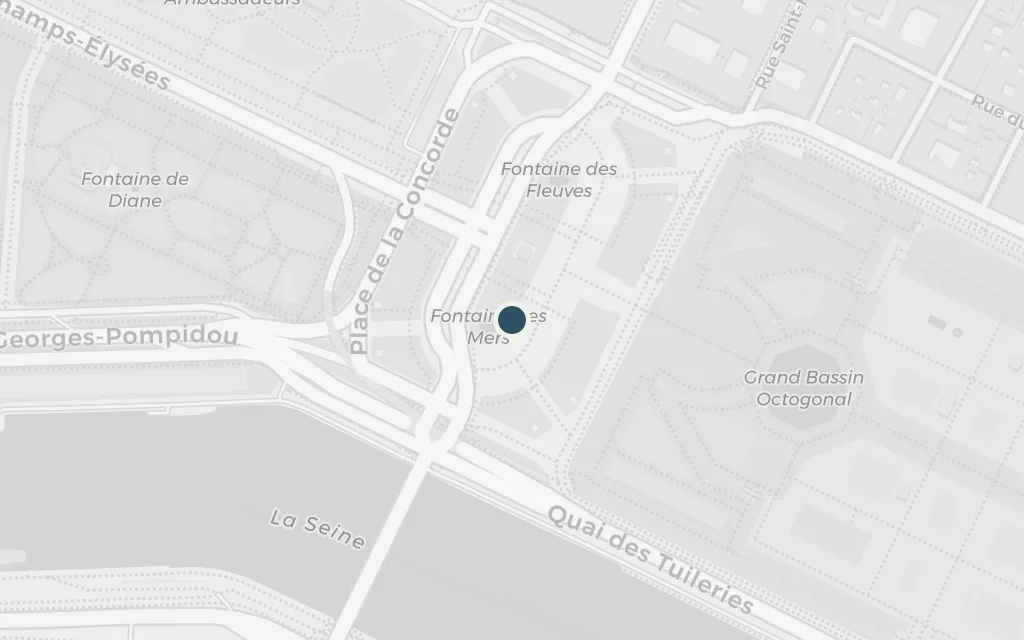
The Place de la Révolution

The sacrifice

Map of The Place de la Révolution today
London and Paris today

In the Place de la Révolution, Sydney Carton goes to the guillotine in Charles Darnay's place, having smuggled his double to safety, and meets death with the peace that eluded his life. Dickens ends on Carton's imagined last words, that it is a far, far better thing he does, the wasted man redeemed by a single act on the scaffold where the Terror devours its own.

Book the Third

explicitThe guillotine of the Terror stood in the Place de la Révolution, now the Place de la Concorde, where Sydney Carton dies in Darnay's place; sited there.

Open in Google Maps ↗Street View ↗