The Beijing of Beijing Coma

Ma Jian's Beijing is two cities held in one body: the Beijing of spring 1989, when students carried the democracy movement from the campuses of the north-west out to the occupied heart of the capital, and the demolition-and-construction Beijing of the following decade, glimpsed through a window by a man who was shot on Chang'an Avenue and left in a coma. The map runs from the universities of Haidian down the central axis to Tiananmen Square and west along the avenue where the army advanced.

Author
Ma Jian, 2008
Places
6

Open the interactive map →

The campuses0% in
Dai Wei

Peking University

The campuses
Map of Peking University today
Beijing today

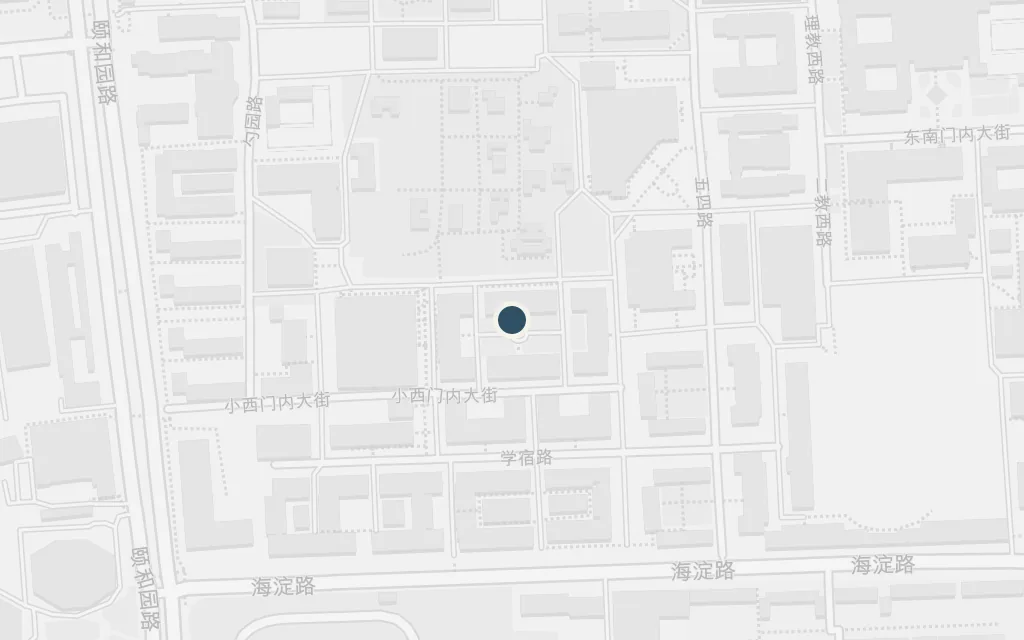
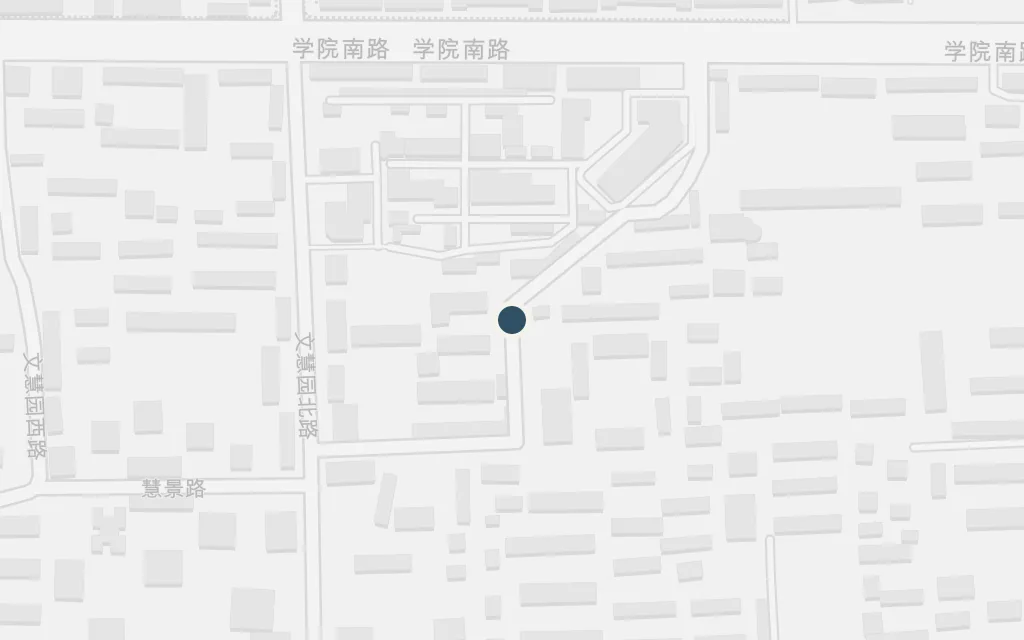
The student democracy movement of spring 1989 takes root on the campuses of Beijing's north-west, among them Peking University, where the narrator is a science student. Meetings, wall posters and marches from here feed the growing protest that will fill the centre of the capital.

The 1989 chapters

explicitThe novel names the university in the Haidian district where the narrator studies; this marks the main campus.
Open in Google Maps ↗Street View ↗

Dai Wei

Beijing Normal University

The campuses

Map of Beijing Normal University today
Beijing today

Beijing Normal University is one of the campuses that drove the 1989 protests, sending students and organisers into the square alongside those from Peking University. The narrator moves between these universities as the movement grows and splinters into rival committees.

The 1989 chapters

explicitThe novel names Beijing Normal among the universities that supplied leaders and marchers to the movement; this marks the Haidian campus.

Open in Google Maps ↗Street View ↗

The occupation40% in
Dai Wei

Tiananmen Square

The occupation

Map of Tiananmen Square today
Beijing today

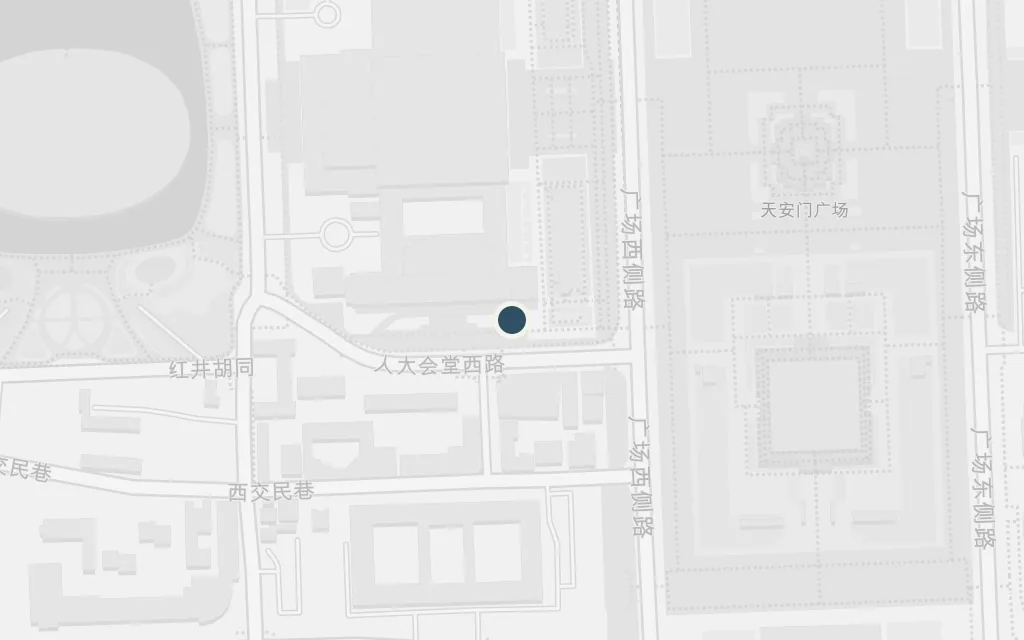
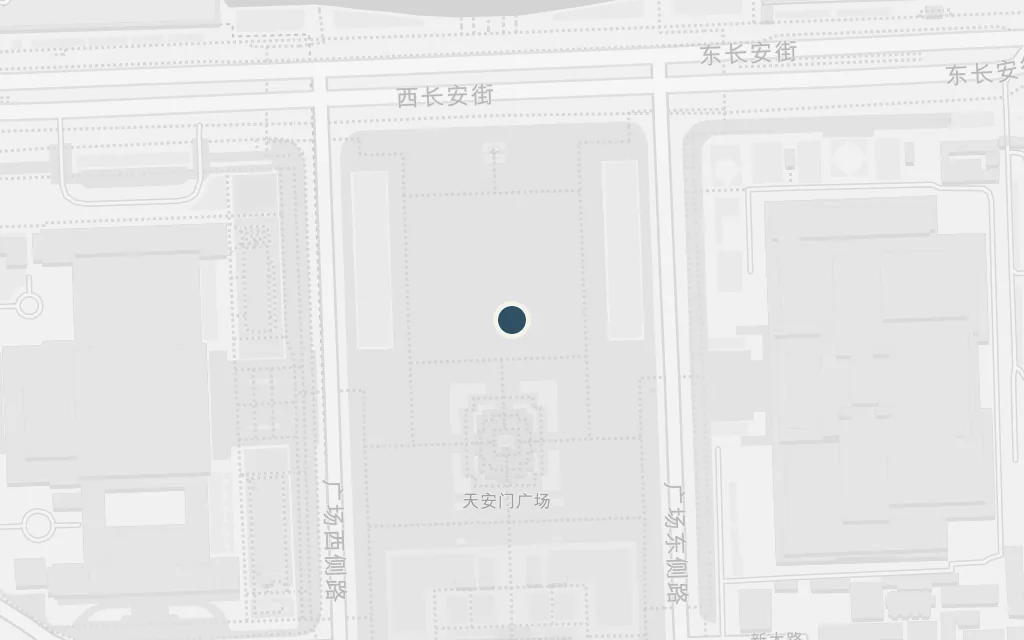
For weeks in May and June 1989 the students occupy Tiananmen Square, the vast ceremonial space at the heart of Beijing. The narrator lives among the tents, loudspeakers and hunger strikers as the occupation swells and factions argue over whether to stay or withdraw.

The 1989 chapters

explicitThe square is named throughout as the centre of the occupation; this marks its centre.

Open in Google Maps ↗Street View ↗

Dai Wei

Monument to the People's Heroes

The occupation

Map of Monument to the People's Heroes today
Beijing today

The granite obelisk at the centre of the square becomes the movement's headquarters and broadcast point, where the hunger strike is declared and the last holdouts gather. In the early hours of 4 June 1989 the remaining students negotiate their retreat from around its base as the army closes in.

The 1989 chapters

explicitThe obelisk at the centre of the square is named as the base of the student command; this marks the monument itself.

Open in Google Maps ↗Street View ↗

June the Fourth80% in
Dai Wei

Chang'an Avenue at Muxidi

June the Fourth

Map of Chang'an Avenue at Muxidi today
Beijing today

On the night of 3-4 June 1989 the army forces its way toward Tiananmen along Chang'an Avenue, the great east-west boulevard through the centre of Beijing. At Muxidi, west of the square, troops fired on crowds trying to block their path; it is on this avenue that the narrator is shot in the head, the wound that leaves him in a coma.

The 1989 chapters

explicitThe novel places the army's advance and the narrator's shooting on Chang'an Avenue; this marks Muxidi, on the avenue west of the square, where troops met the heaviest resistance and many were killed on the night of 3-4 June 1989.

Open in Google Maps ↗Street View ↗

The coma100% in
Dai Wei

The mother's flat

The coma

Map of The mother's flat today
Beijing today

For roughly a decade the narrator lies paralysed and speechless in his mother's small Beijing flat, aware but unable to move, while she tends and struggles to keep him. Through the window and the talk around his bed he registers the city changing, its old lanes demolished and rebuilt through the boom of the 1990s.

The coma chapters

inferredThe novel does not give the flat an address; it lies somewhere in the residential Beijing of the 1990s, so this marks a representative point in the inner-city districts west of the centre.

Open in Google Maps ↗Street View ↗