The Cairo of Children of Gebelawi

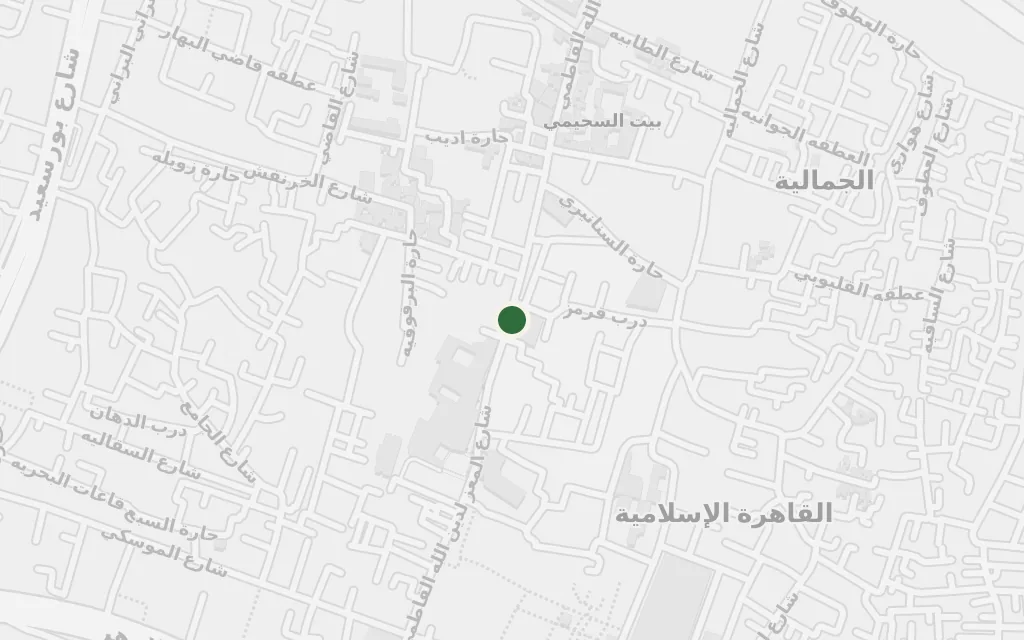
Mahfouz builds a single fictional alley, and the whole of scripture and history play out inside it: a founding ancestor in a great house at the desert edge, an endowment fought over by strongmen, and a line of reformers who each try to win the poor their share. The alley is drawn from the Gamaliya of his own childhood, the old Islamic quarter below the Muqattam hills, near the mosque of al-Husayn and the northern gate of Bab al-Futuh.

Author
Naguib Mahfouz, 1959
Places
6

Open the interactive map →Visit Cairo on Wikivoyage ↗

The alley0% in
Gabalawi

The alley, Gamaliya

The alley
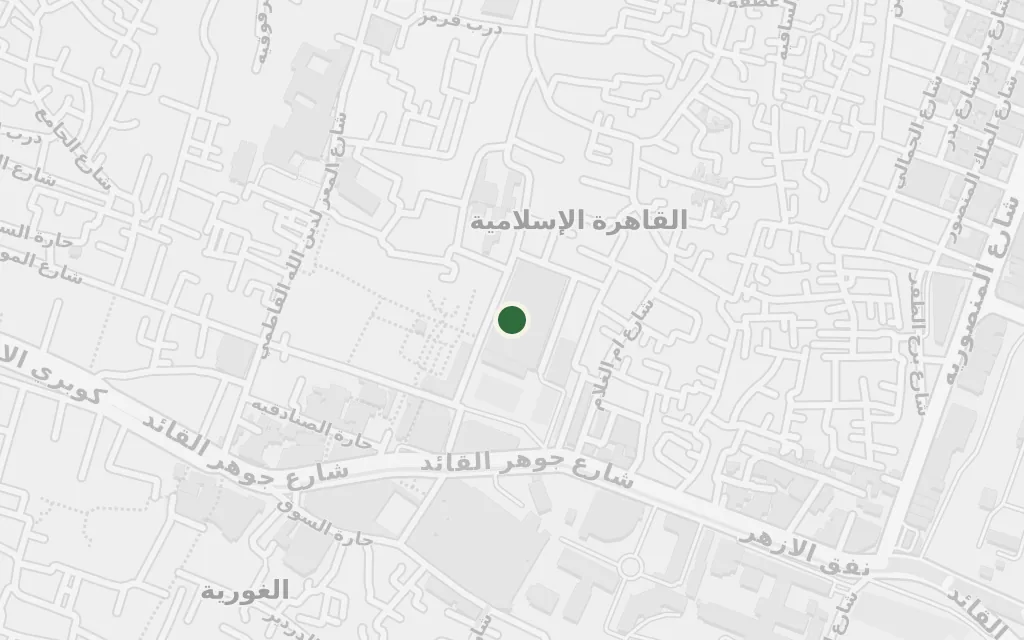
Map of The alley, Gamaliya today
Cairo today

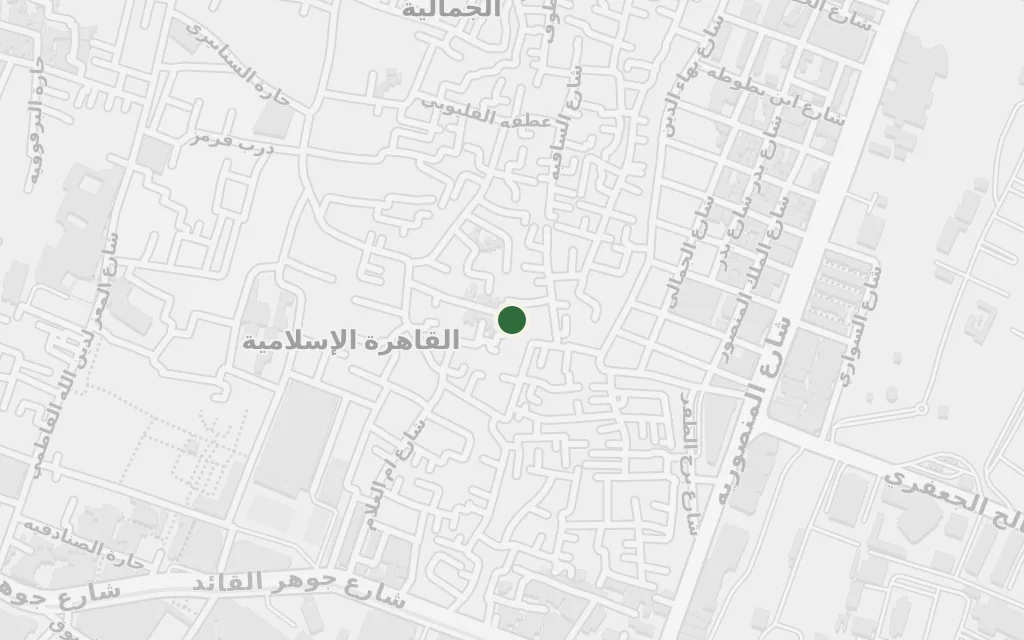
The whole book happens in one cramped alley: its coffee house, its handcarts, its poor crowded against the walls, and the strongmen who bully them. Mahfouz assembled it from the Gamaliya of his childhood, one of the oldest quarters of Islamic Cairo, and the alley's daily life is that district's life pushed into allegory.

Prologue

inspired byThe alley of the novel is invented and never mapped to a named street; Mahfouz drew it from the Gamaliya quarter where he was born and raised, so this marks the heart of that district.
Open in Google Maps ↗Street View ↗

The ancestor20% in
Gabalawi

Gabalawi's great house, below the Muqattam

The ancestor

Map of Gabalawi's great house, below the Muqattam today
Cairo today

At the top of the alley stands the mansion of the founding ancestor, shut behind a high wall with a garden his descendants can only imagine. From here he divides an endowment meant to keep them all, and from here his son Adham is cast out for disobedience, the alley's version of the fall. Mahfouz places the house where the built quarter meets the bare hills of the Muqattam.

Prologue; Adham

inspired byThe great house and its walled garden are fictional. The book sets them at the head of the alley, on the desert edge beneath the Muqattam hills, so this marks the hills that stand over the old city to the east.

Open in Google Maps ↗Street View ↗

The quarter40% in
Gabalawi

The al-Husayn mosque district

The quarter

Map of The al-Husayn mosque district today
Cairo today

The alley opens onto the crowded devotional heart of old Cairo, the square and mosque of al-Husayn, where Mahfouz set much of his own early life. The piety and the processions of this quarter feed straight into the book's argument about faith, justice and the poor.

The alley (setting)

inferredThe novel keeps its streets fictional and does not name the mosque, but the alley sits against the real religious heart of the quarter; this marks the mosque of Sayyidna al-Husayn, which anchors the district Mahfouz drew on.

Open in Google Maps ↗Street View ↗

Gabalawi

Bayn al-Qasrayn, al-Muizz street

The quarter

Map of Bayn al-Qasrayn, al-Muizz street today
Cairo today

The great processional street of Fatimid and Mamluk Cairo runs through the quarter the alley hangs off. Mahfouz would later name a whole novel for this stretch, Bayn al-Qasrayn; here it stands for the grand public world just beyond the alley's mouth, the city the alley's poor are shut out of.

The alley (setting)

inferredThe book names no street, but its alley branches off the medieval spine of the quarter; this marks Bayn al-Qasrayn on al-Muizz street, the historic thoroughfare running through the district Mahfouz mapped his fiction onto.

Open in Google Maps ↗Street View ↗

The great house80% in
Gabalawi

Bayt al-Suhaymi, Darb al-Asfar

The great house

Map of Bayt al-Suhaymi, Darb al-Asfar today
Cairo today

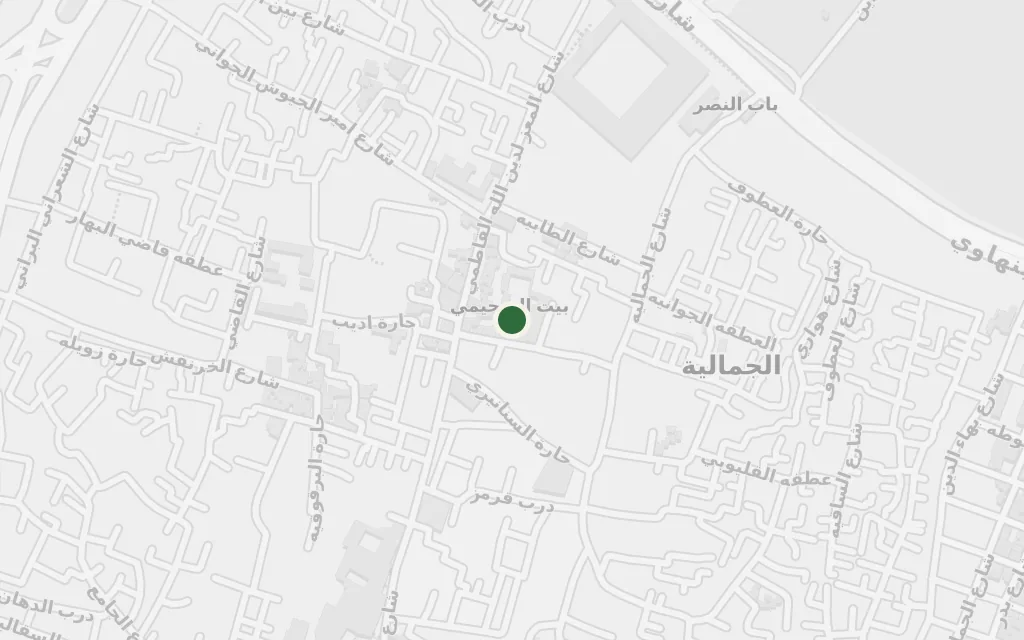
A merchant's mansion turned in on a private courtyard garden, hidden from the lane by a blank wall: the kind of grand old house, common in the quarter, that lies behind the novel's image of the ancestor sealed away with his garden while the alley goes without. Bayt al-Suhaymi survives on Darb al-Asfar as a preserved example.

Prologue (the great house)

inspired byNo real house is named in the novel. This marks Bayt al-Suhaymi, the grand Ottoman courtyard mansion in the quarter, as a standing example of the walled-house-and-garden type the ancestor's mansion belongs to.

Open in Google Maps ↗Street View ↗

The desert edge100% in
Gabalawi

Bab al-Futuh, the northern gate

The desert edge

Map of Bab al-Futuh, the northern gate today
Cairo today

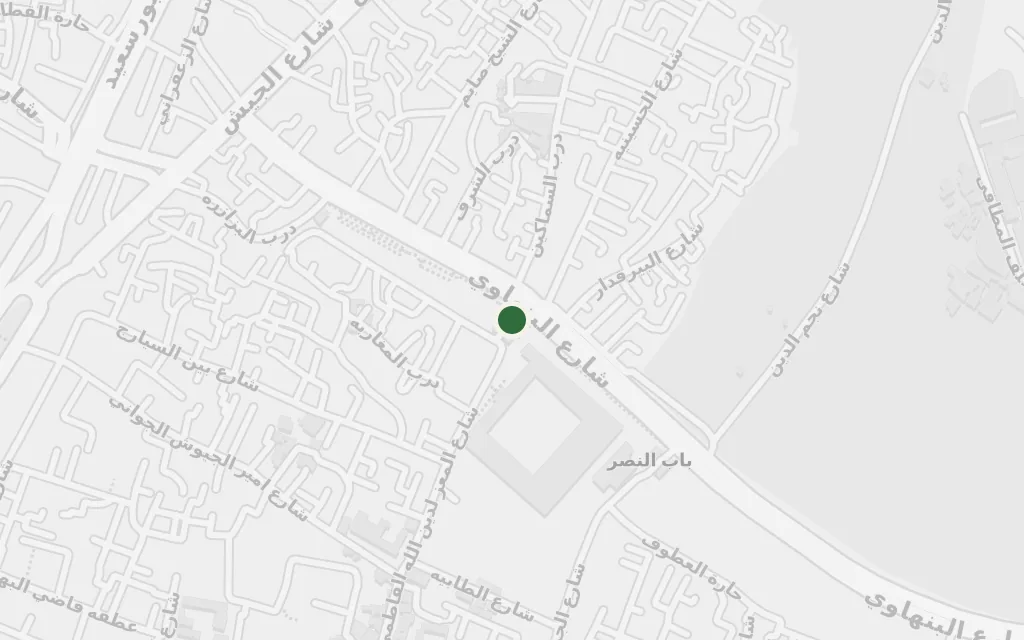
The great Fatimid gate closes the northern end of al-Muizz street, where the dense quarter meets the open ground beyond the walls. It fixes the edge of Mahfouz's world, the boundary between the crowded alley and the empty desert stretching toward the ancestor's house.

The alley (setting)

inferredThe gate is not named in the novel. It marks the real northern edge of the walled old city, near where the built quarter gives way to the open ground the book keeps at the alley's back.

Open in Google Maps ↗Street View ↗