The Gjirokastër of Chronicle in Stone

A boy watches his ancient stone city on its mountainside change hands again and again, Italians, Greeks, Italians, Greeks, Germans, in the chaos of the Second World War. Kadare's own Gjirokastër is the whole book: the steep grey stone houses with their cisterns and slate roofs, the castle brooding over the town, the aerodrome the Italians cut into the plain below, and the old bazaar where the city's life and rumour churn.

Author
Ismail Kadare, 1971
Places
5

Open the interactive map →

Chapter 10% in
The boy

The stone house

Chapter 1
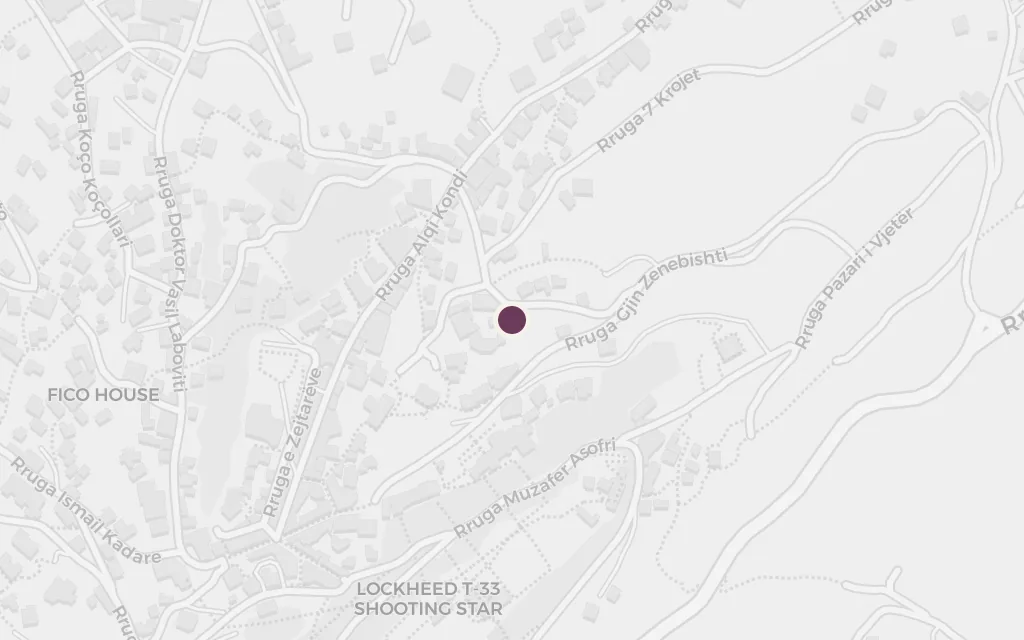
Map of The stone house today
Gjirokastër today

From the deep, cool rooms of the family's stone house, its cistern in the cellar and its many-eyed windows, the boy takes in a world half real and half magical. The house, seemingly alive, is the fixed point from which he watches his city endure bombing, occupation and the strange comedy of war.

The main narrative

explicitThe boy narrator's home is one of the tall grey stone houses of Gjirokastër, with its cistern and slate roof; such houses, and the real UNESCO 'city of stone', are the ground of the whole book.
Open in Google Maps ↗Street View ↗

The occupation25% in
Isa

The castle

The occupation

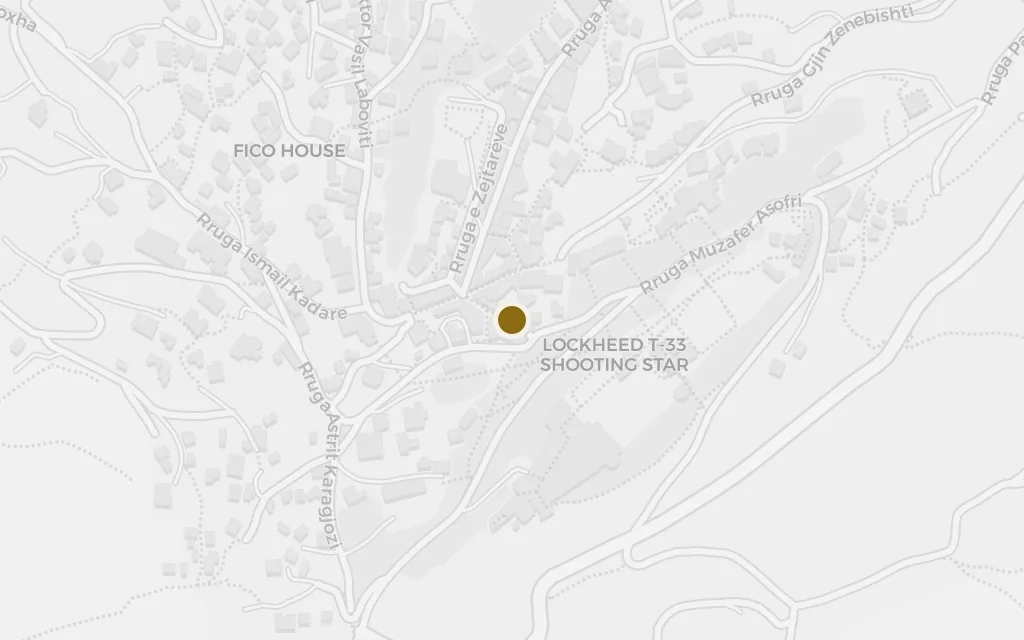
Map of The castle today
Gjirokastër today

Below and around the ancient citadel the war's forces come and go, and the young men of the town, among them figures like Isa, are drawn toward the resistance forming against the occupiers. The castle, older than any of the empires now fighting over the city, dwarfs them all with the weight of the past.

The occupation chapters

explicitThe great castle of Gjirokastër broods over the town from its ridge, a real fortress used through the war for anti-aircraft guns and prisoners; it dominates the boy's city and the book's skyline.

Open in Google Maps ↗Street View ↗

The Italians50% in
The boy

The aerodrome

The Italians

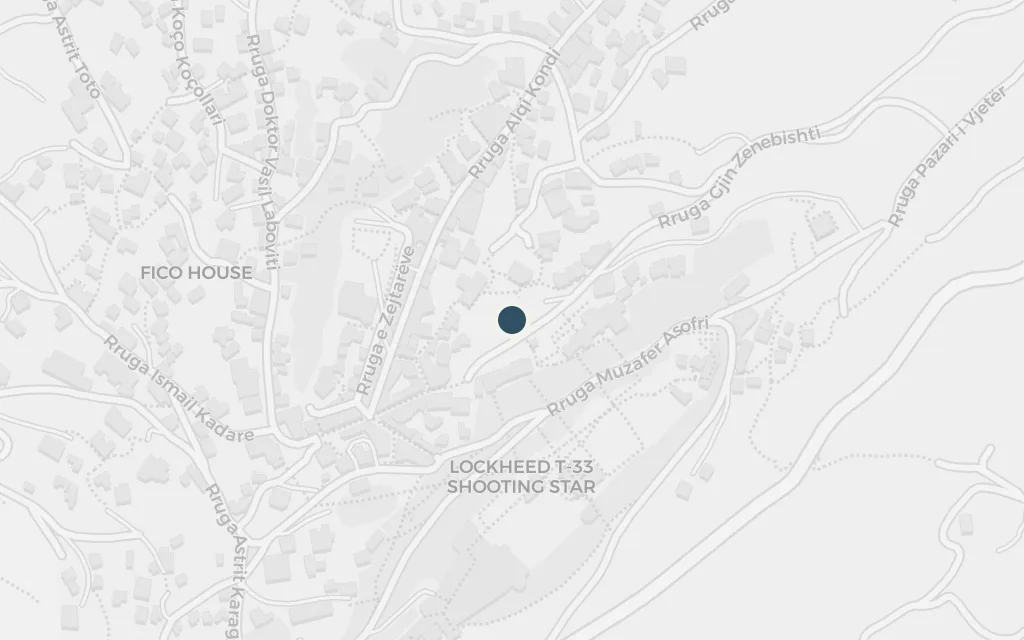
Map of The aerodrome today
Gjirokastër today

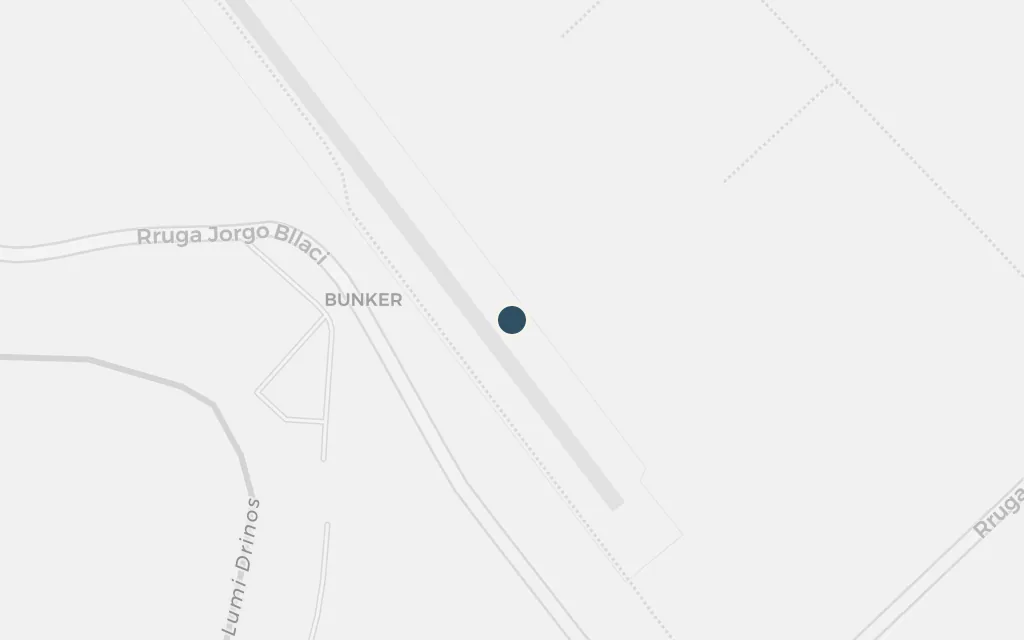
The airfield on the plain, with its 'aeroplanes' the boy watches like magical beasts, brings the machinery of the modern war into the medieval city's orbit. When the planes are destroyed and the field abandoned as the occupiers change, it becomes one more marvel swallowed by the town's long memory.

The Italian chapters

inferredThe Italians cut an aerodrome into the plain below the town, and its planes fascinate the boy; sited on the real Drino valley floor beneath Gjirokastër.

Open in Google Maps ↗Street View ↗

The town75% in
Xhexho

The old bazaar

The town

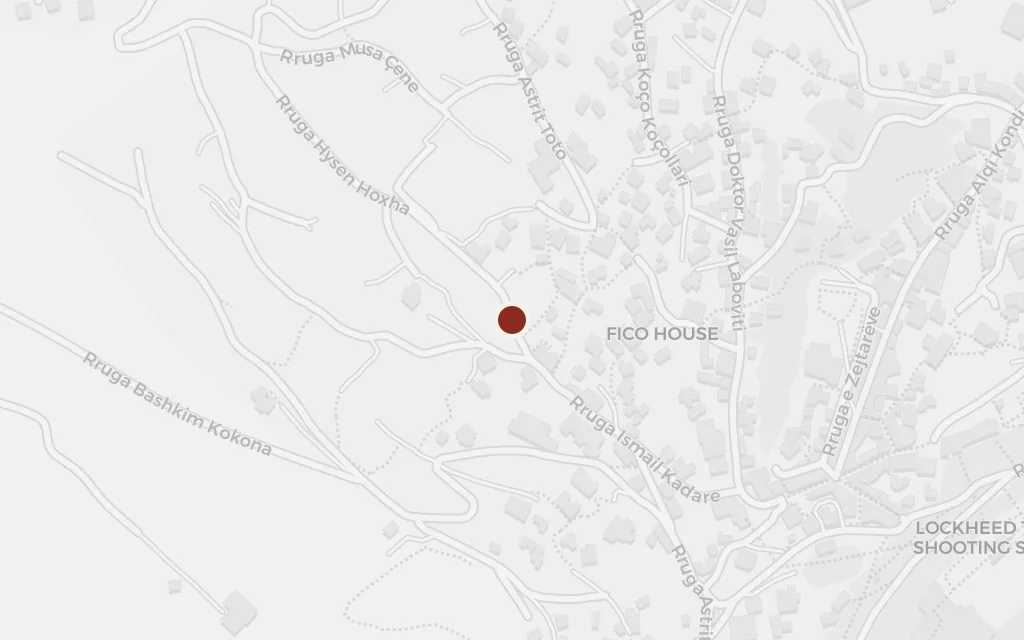
Map of The old bazaar today
Gjirokastër today

Through the bazaar and the steep lanes move the town's unforgettable characters, among them the crone Xhexho with her omens and dire news, carrying rumour from house to house. Kadare builds the city's collective voice out of these figures, a chorus of superstition, malice and wit surviving every occupier.

The town chapters

explicitThe old Ottoman bazaar at the foot of the town is Gjirokastër's real marketplace and gossip-exchange; the crones and characters of the book circulate through it.

Open in Google Maps ↗Street View ↗

The city changing100% in
The grandmother

The neighbourhood cisterns

The city changing

Map of The neighbourhood cisterns today
Gjirokastër today

In the deep cisterns and shadowed rooms, the grandmother and the old women keep the city's memory and its rituals as flags rise and fall over the citadel. By the end the war has scarred the stone city, but it endures as it always has, older and stranger than any of the powers that thought they held it.

The main narrative

inferredThe cisterns, cellars and terraced houses of the old neighbourhood, and the wise old women who hold its lore, belong to the real stone city; sited among its steep lanes.

Open in Google Maps ↗Street View ↗