The Budapest of Fatelessness

In 1944 the fourteen-year-old Budapest Jew György Köves is pulled off a bus, deported, and survives Auschwitz, Buchenwald and the Zeitz labour camp with a bewildered, matter-of-fact detachment, before returning to a city that wants him to forget. Kertész, who lived it, maps the real geography of the catastrophe: the yellow-star house and the assembly points of Budapest, and the camps to the north where a boy learns to take each step of the machinery as, somehow, natural.

Author
Imre Kertész, 1975
Places
5

Open the interactive map →

Budapest, 19440% in
The father

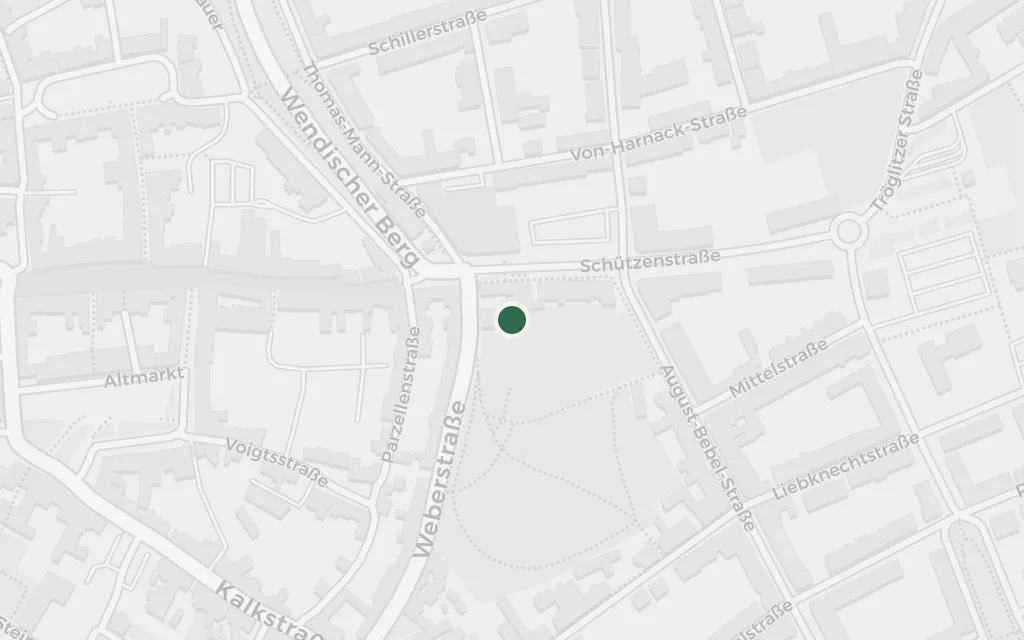
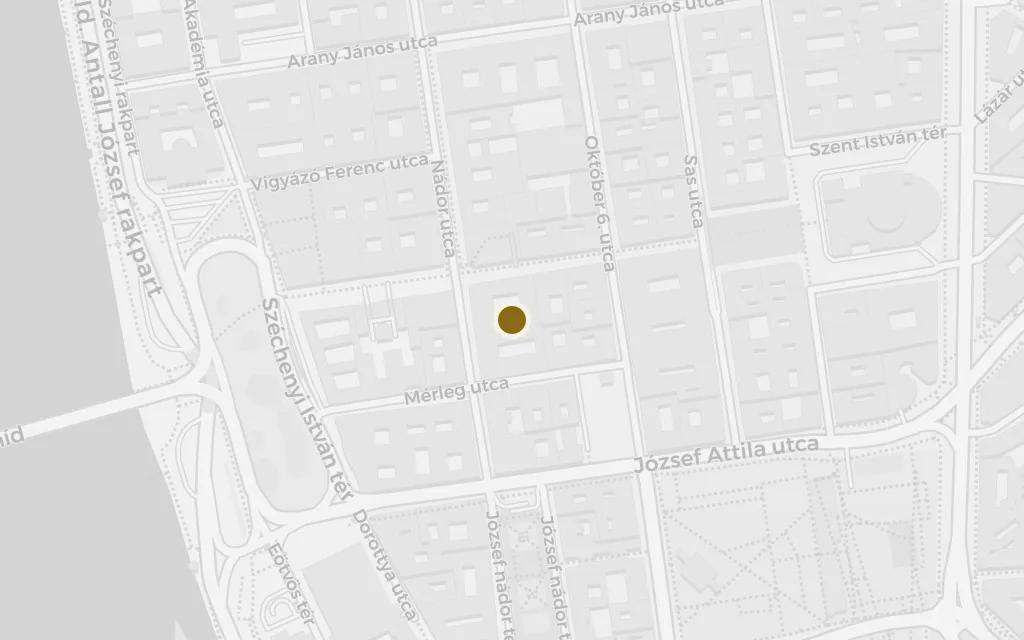
The yellow-star house

Budapest, 1944
Map of The yellow-star house today
Budapest today

The novel opens as fourteen-year-old György is given a day off school because his father must report to a labour-service camp, and the family, marked by the yellow star, gathers to see him go. Kertész sets the ordinary domestic scene of a Budapest already sealed off and marked for destruction, told in the boy's oddly untroubled, obedient voice.

The opening chapters

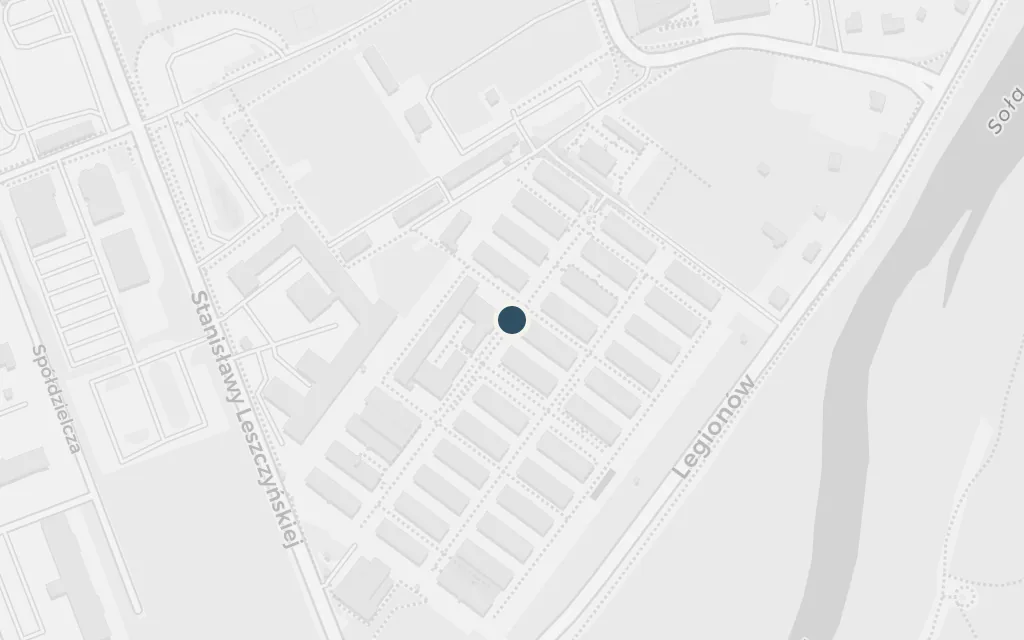
explicitGyörgy's family lives in one of the real yellow-star houses to which Budapest's Jews were confined in 1944; sited in the city.
Open in Google Maps ↗Street View ↗

The trains25% in
György

The deportation

The trains

Map of The deportation today
Budapest today

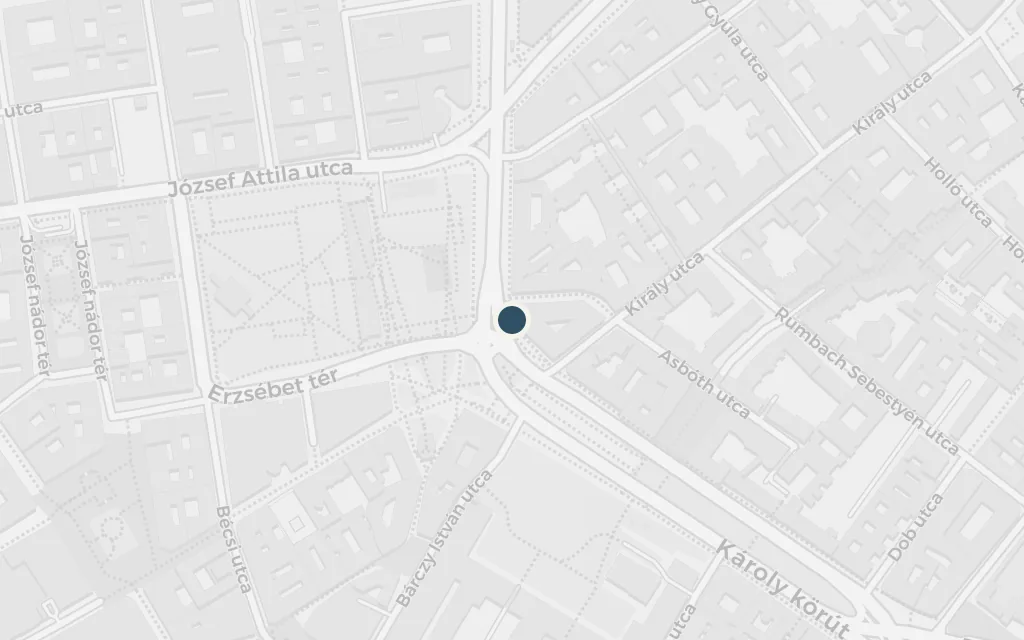
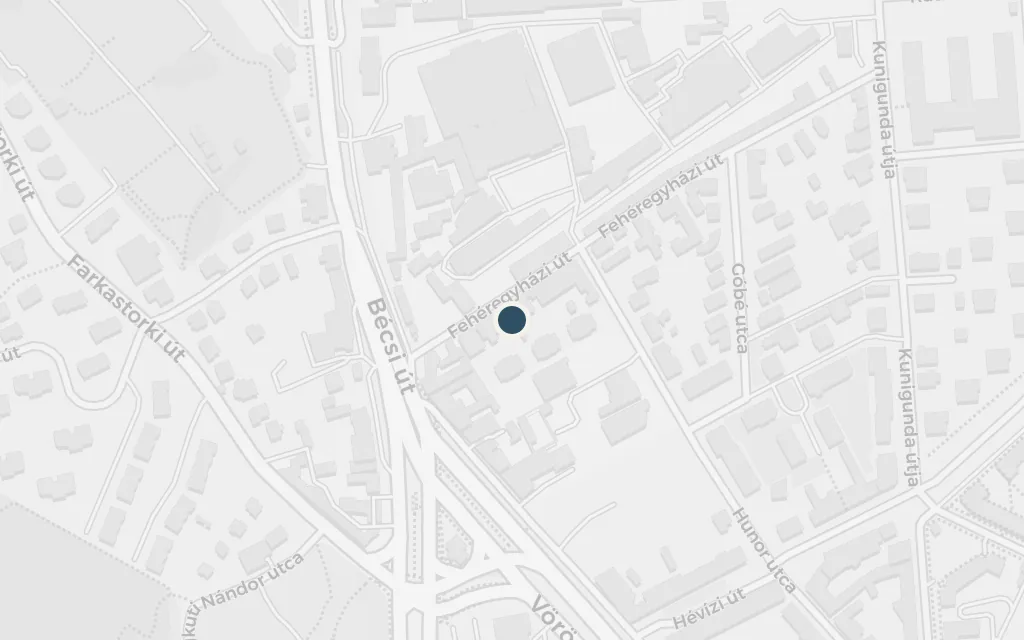
Pulled off his bus at random with other Jews, György is held, sorted and loaded onto a train, all of it unfolding in the same reasonable, step-by-step manner he never thinks to question. In his flat acceptance of each stage, Kertész shows how the vast crime advanced precisely by seeming, to those caught in it, almost normal.

The round-up chapters

inferredGyörgy is taken off a bus and held with other Budapest Jews at an assembly point before deportation, drawn from the real round-ups and brickyard assembly sites of 1944; sited on the city's edge.

Open in Google Maps ↗Street View ↗

The arrival50% in
György

Auschwitz-Birkenau

The arrival

Map of Auschwitz-Birkenau today
Budapest today

At Auschwitz-Birkenau György passes the selection, saved by claiming to be sixteen and fit for work, and takes in the smoking chimneys with the same disbelieving curiosity as everything else. Kertész refuses both melodrama and hindsight, letting the boy meet the death factory as a bewildering new place whose logic he sets himself, absurdly, to understand.

The Auschwitz chapters

explicitGyörgy is deported first to Auschwitz-Birkenau, the real extermination and concentration camp in occupied Poland; sited there, far outside the Budapest setting.

Open in Google Maps ↗Street View ↗

The camp75% in
Bandi Citrom

Zeitz labour camp

The camp

Map of Zeitz labour camp today
Budapest today

At the Zeitz labour camp György learns the arts of survival from the seasoned prisoner Bandi Citrom, and clings to routine as hunger, cold and a festering wound wear him down toward death. Here the book measures out, day by day, how a person is reduced to a body, and how even in that reduction a strange will to go on persists.

The Zeitz chapters

explicitGyörgy is sent on to the Zeitz labour camp, a real subcamp of Buchenwald in Germany, where he does forced labour and slowly breaks down; sited there, outside the Budapest setting.

Open in Google Maps ↗Street View ↗

Budapest again100% in
György

The return

Budapest again

Map of The return today
Budapest today

Returned to Budapest, György meets neighbours and survivors who urge him to think only of the horror and the future, and finds he cannot, for he remembers even the camps as a stretch of lived, ordinary hours. In his refusal of an assigned 'fate', the boy insists on the stubborn wholeness of his own experience, and the book earns its terrible, quiet title.

The final chapter

explicitLiberated, György makes his way back to Budapest, the real city, to find his old world altered and unwilling to hear him; sited in the city where the book began.

Open in Google Maps ↗Street View ↗