The Thiès of God's Bits of Wood

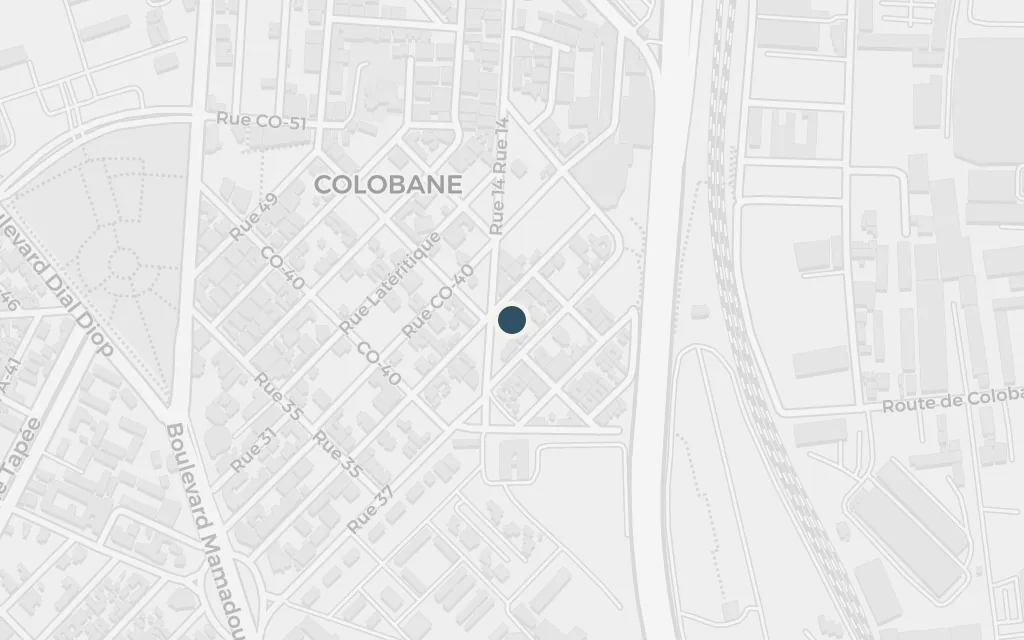
The long railway strike of 1947-48 seen from the line itself. The workshops of Thiès stop, and from there the walkout runs west to the capital and port at Dakar and east along the track to Bamako. When the men are starved back toward defeat, the women take up the fight and march the road from Thiès to Dakar. The map holds the western Senegal stretch of that strike.

Author
Ousmane Sembène, 1960
Places
5

Open the interactive map →

Bamako0% in
The strikers and the women

Bamako, the eastern terminus

Bamako
Map of Bamako, the eastern terminus today
Thiès today

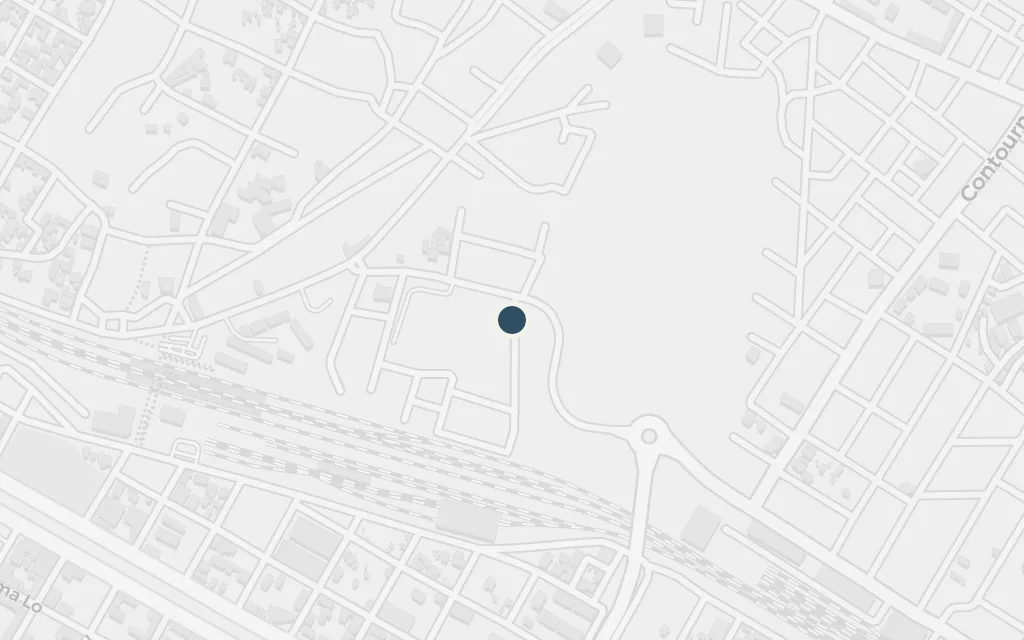
The story opens far up the line in the eastern railway town of Bamako, in the French Sudan that is now Mali. Here an old man and a watchful girl stand for the families who keep the strike alive along the whole length of the track, before the action swings west toward the sea.

Bamako sections

explicitBamako is named as one of the three towns of the strike. It sits about twelve hundred kilometres east in what was then French Sudan, today Mali, so it lies well outside the western Senegal frame; this marks the city centre.
Open in Google Maps ↗Street View ↗

Thiès25% in
The strikers and the women

The railway workshops of Thiès

Thiès

Map of The railway workshops of Thiès today
Thiès today

Thiès is the beating heart of the walkout, the workshop town where the engines are built and repaired and where the stoppage bites hardest. Its yards fall silent, hunger sets in, and the decision to keep holding the line is argued out among the workers and their families.

Thiès sections

explicitThiès, the workshop town at the heart of the strike, is named throughout; the specific depot and workers' quarters are not pinned, so this marks the town centre about seventy kilometres east of Dakar.

Open in Google Maps ↗Street View ↗

The march50% in
The strikers and the women

Rufisque, on the women's march

The march

Map of Rufisque, on the women's march today
Thiès today

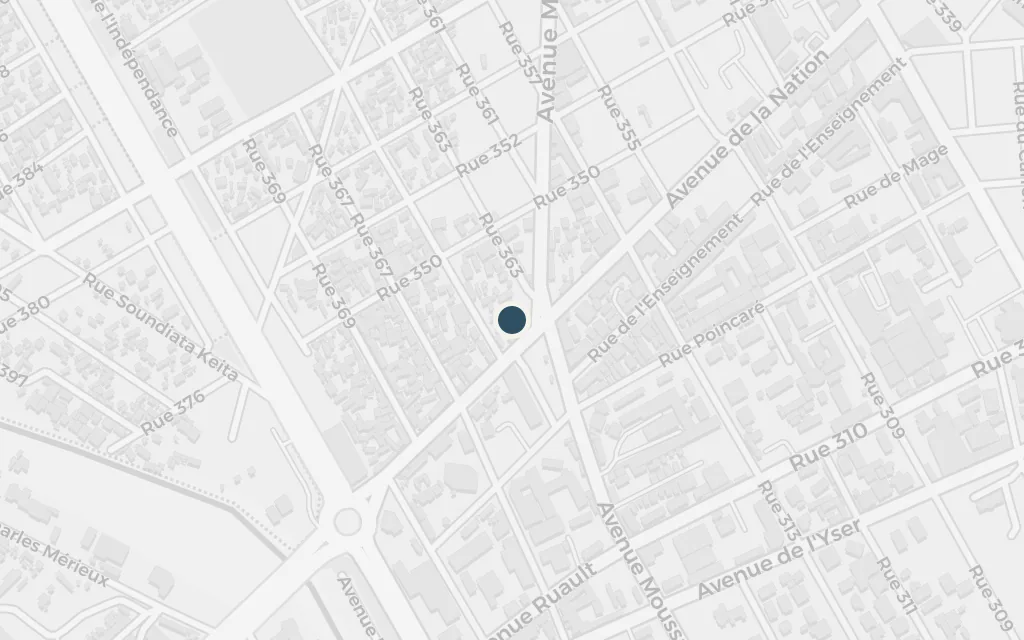
When the men falter, the women set out on foot from Thiès toward Dakar, walking for days along the road that shadows the rail. Rufisque, the old port town on the way into the peninsula, stands for that hard passage and the crowds who came out to meet the marchers.

The women's march

inferredThe women's march from Thiès to Dakar is explicit, but the book does not itemise its stages; Rufisque is the real town on the road between the two, so it marks a representative point on that route.

Open in Google Maps ↗Street View ↗

Dakar75% in
The strikers and the women

Dakar, the capital

Dakar

Map of Dakar, the capital today
Thiès today

Dakar is the colonial capital at the tip of the peninsula, where the administration and the company have their offices and where the marching women finally arrive to a vast gathering. The confrontation here brings the strike to its head.

Dakar sections

explicitDakar is named as the capital and the march's destination; the specific rally grounds are not fixed, so this marks the city centre.

Open in Google Maps ↗Street View ↗

The strikers and the women

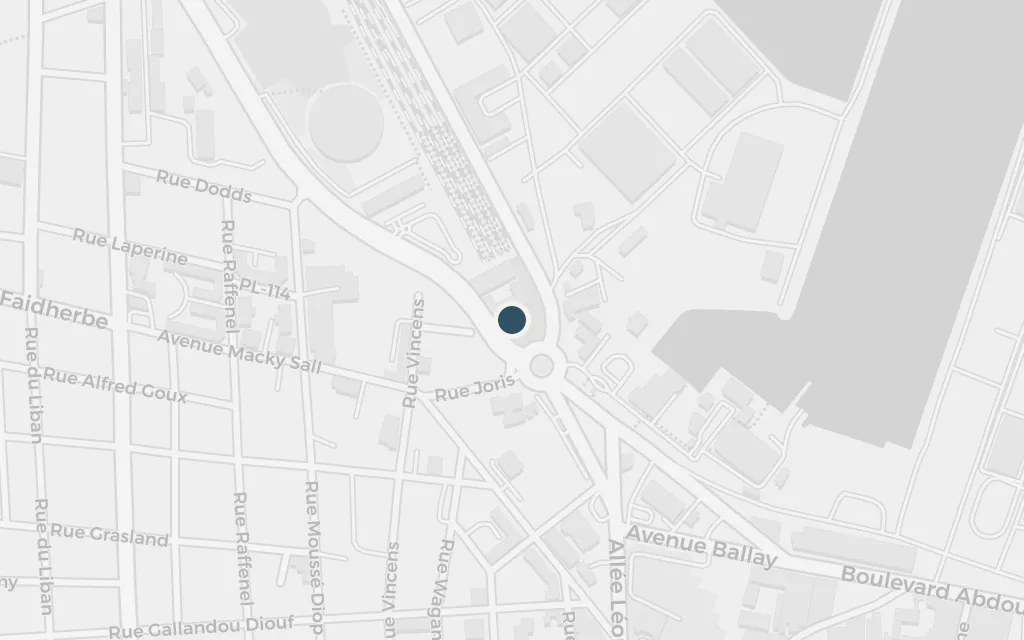
The Dakar railway terminus and port

Dakar

Map of The Dakar railway terminus and port today
Thiès today

The Dakar-Niger line runs from this station by the harbour all the way inland, so the terminus is where the stopped railway meets the sea and the wider colonial economy it served. It anchors the western end of the strike that the whole book turns on.

Dakar sections

explicitThe line begins at Dakar's station by the harbour; the novel does not describe the building in detail, so this marks the historic Dakar railway station near the port.

Open in Google Maps ↗Street View ↗