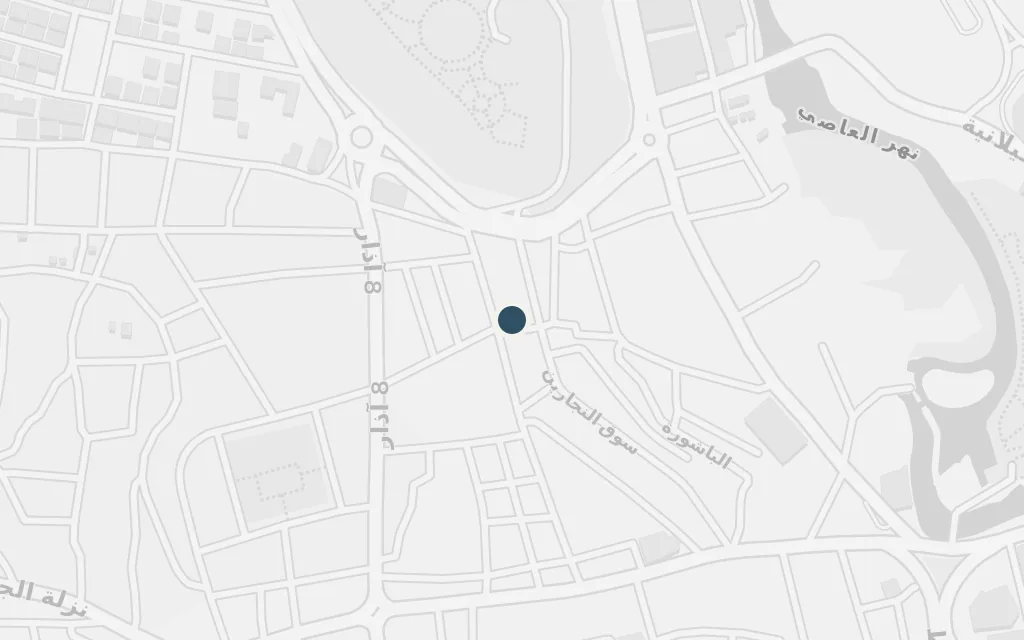
Khaled Khalifa's Aleppo is the walled old city of the late 1970s and 1980s: a grand family house behind heavy doors, the covered stone souqs, the Citadel above them, a girls' school and the university on the edge of town. A young woman's family is pulled apart as the Ba'athist state and the Muslim Brotherhood turn on each other, a conflict that ends in the 1982 destruction of Hama to the south. The map holds to the Old City and reaches out once, to Hama.
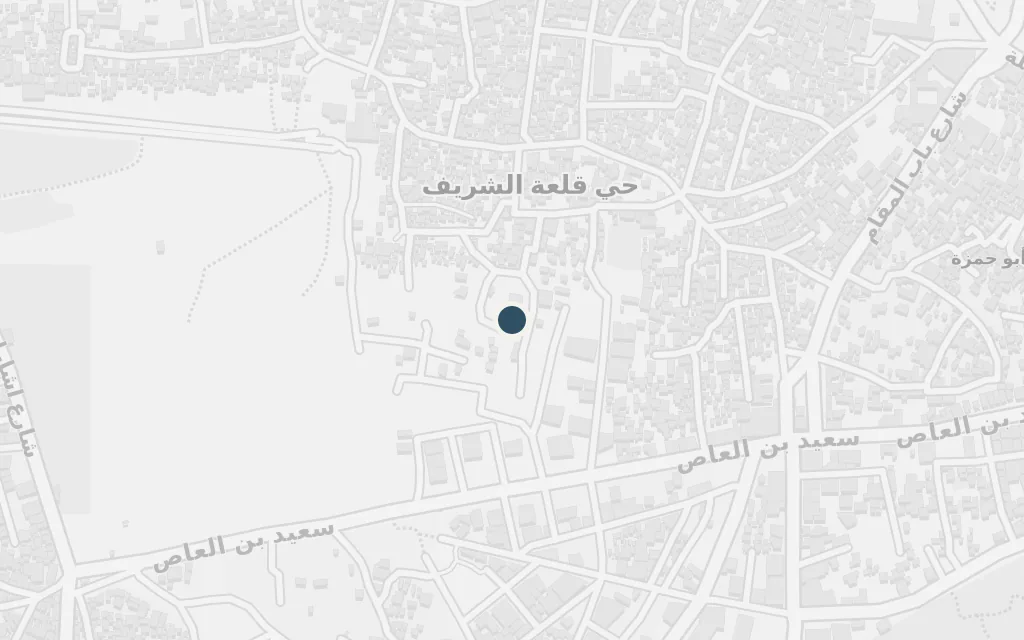
The story is narrated by a young woman growing up in her family's large, shuttered house in the old quarter of Aleppo, a world of courtyards, aunts and religious observance. As the country's crisis deepens, that enclosed household becomes the ground on which her turn toward radical certainty begins.
Part One
inferredThe novel does not give the house a street address; it sets it among the grand old courtyard houses of Aleppo's walled Old City, so this marks the historic core of that quarter, a UNESCO World Heritage site.
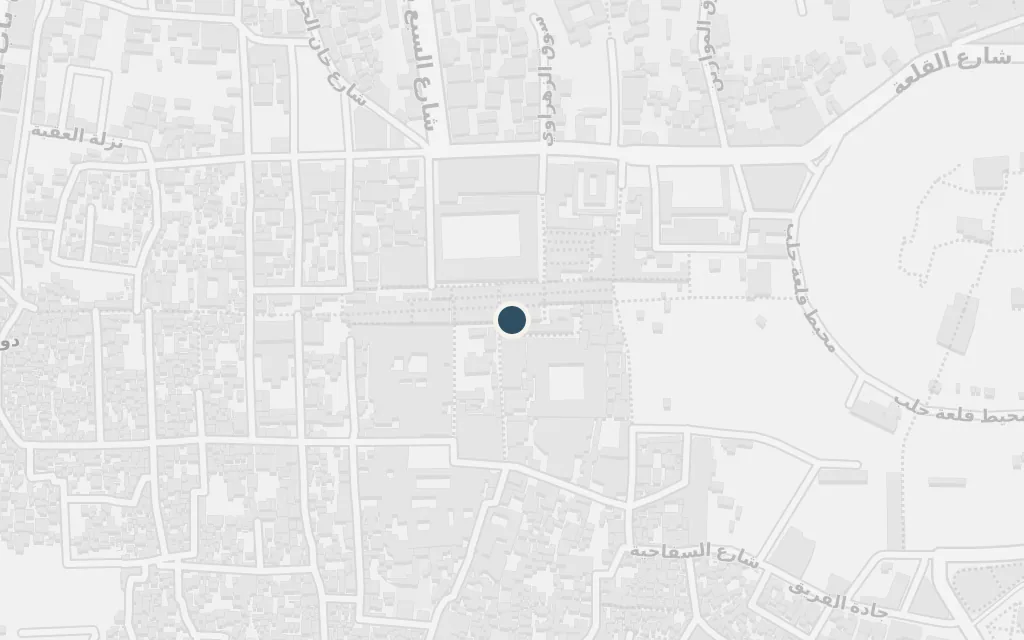
The family's standing rests partly on trade, and the covered stone souqs of the Old City recur as the everyday economy around the household. Al-Madina Souq is the largest covered historic market in the world, its narrow vaulted lanes threading between the Great Mosque and the Citadel.
Part One
explicitThe covered market of the Old City is al-Madina Souq, the vaulted stone bazaar that runs west from the Citadel; this marks a representative point along it.
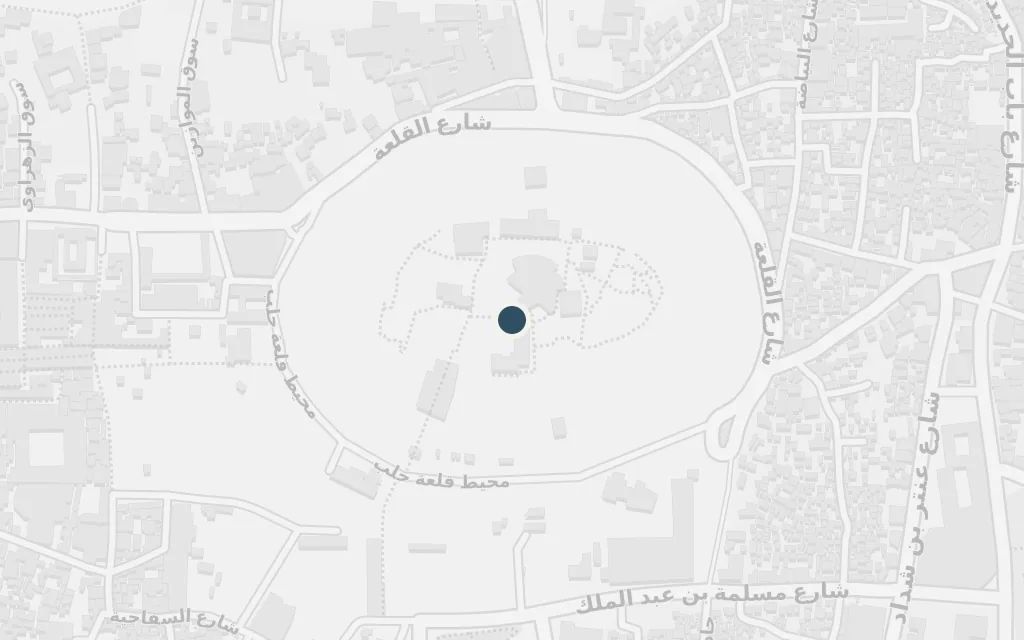
The great medieval Citadel rises over the Old City, the fixed landmark against which the household's daily life plays out. Its mass on the skyline is a constant in a book whose ground keeps shifting under sectarian fear and state suspicion.
Part One
explicitThe Citadel is a named, fixed landmark: the medieval fortified hill at the centre of the Old City.
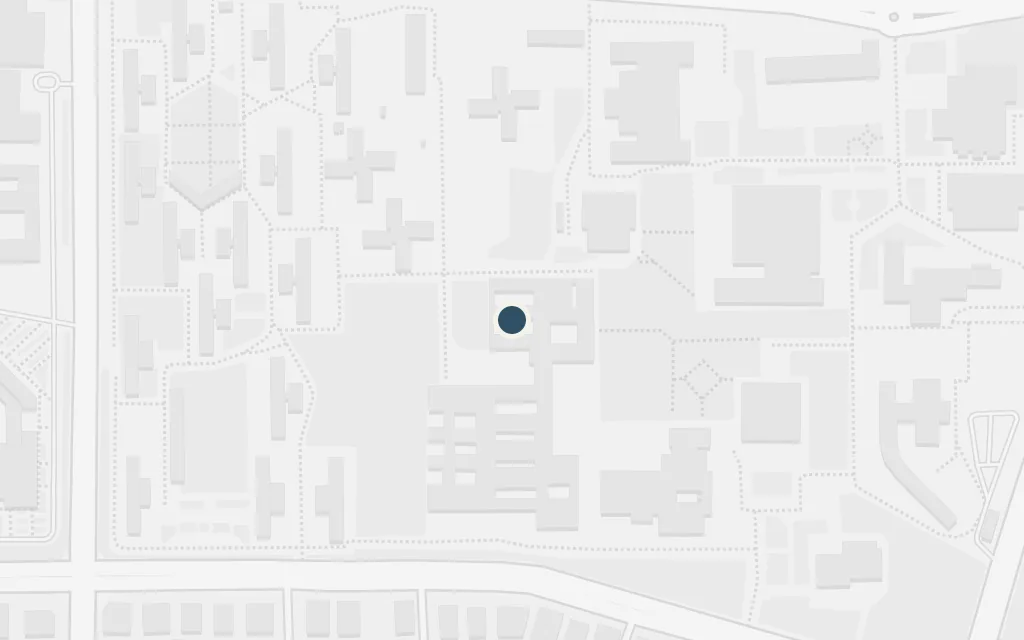
Leaving the enclosed house for school and then the University of Aleppo opens the narrator to the political currents dividing the country. The campus, on the western edge of the city, becomes a place where the conflict between the state and its Islamist opponents is felt among students.
Part Two
explicitThe University of Aleppo is a named institution on the western side of the city; coordinates are its main campus.
The narrator's world is finally overtaken by the state's war on the Muslim Brotherhood, which culminated in February 1982 when the Syrian army besieged and largely destroyed the city of Hama, killing many thousands of people. Historians' estimates of the dead range from several thousand into the tens of thousands. The novel carries the weight of that atrocity into its account of prison and aftermath.
Part Three
explicitA deliberate excursion beyond Aleppo. Hama lies about 150 kilometres south; it is named for the 1982 events that shadow the novel's later chapters.