The Northern England of Jane Eyre

The orphan Jane Eyre makes her way from a cruel aunt's house to a bleak charity school, and on to Thornfield Hall as governess, where she falls in love with the brooding Mr Rochester and discovers the madwoman locked in his attic. Brontë sets the novel across a real northern England drawn from her own world: the moorland houses and schools of Yorkshire and the Peak, from Lowood's cold dormitories to Thornfield's fire and the wild moors to which Jane flees.

Author
Charlotte Brontë, 1847
Places
5

Open the interactive map →

Childhood0% in
Jane

Gateshead

Childhood

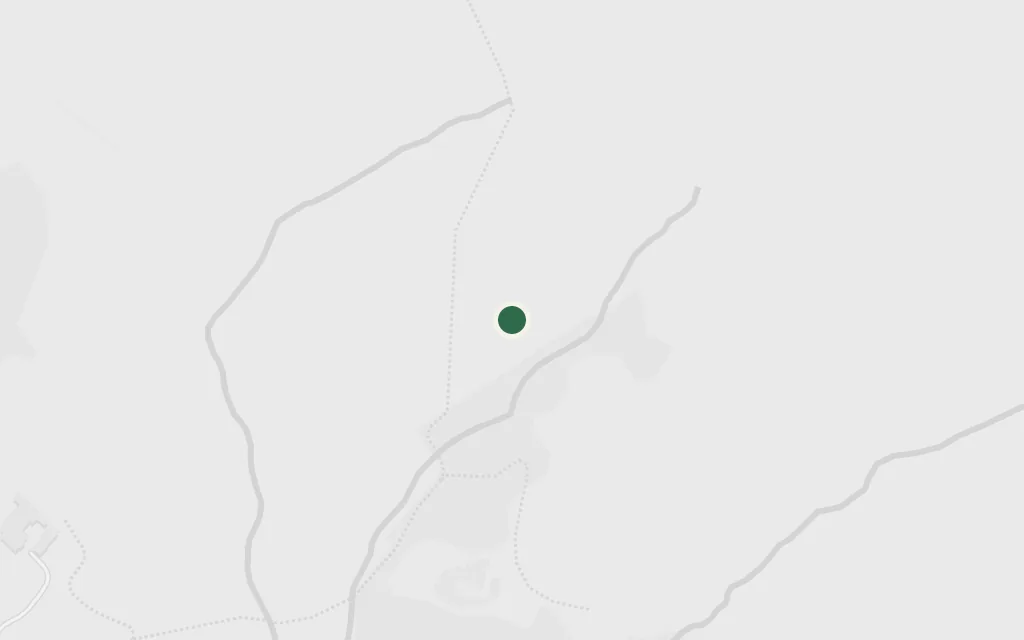
Map of Gateshead today
Northern England today

At Gateshead, the orphaned Jane is raised in cold contempt by her aunt Reed and locked, in punishment, in the terrifying red-room where her uncle died. Brontë opens on the powerlessness of a plain, penniless child, and the fierce sense of injustice that will drive Jane's whole fight for a self and a place of her own.

The opening chapters

inspired byGateshead Hall, the house of Jane's cruel aunt, is a fictional home drawn from the gentry houses of the north; sited in the West Riding of Yorkshire of the setting.
Open in Google Maps ↗Street View ↗

The school25% in
Jane

Lowood School

The school

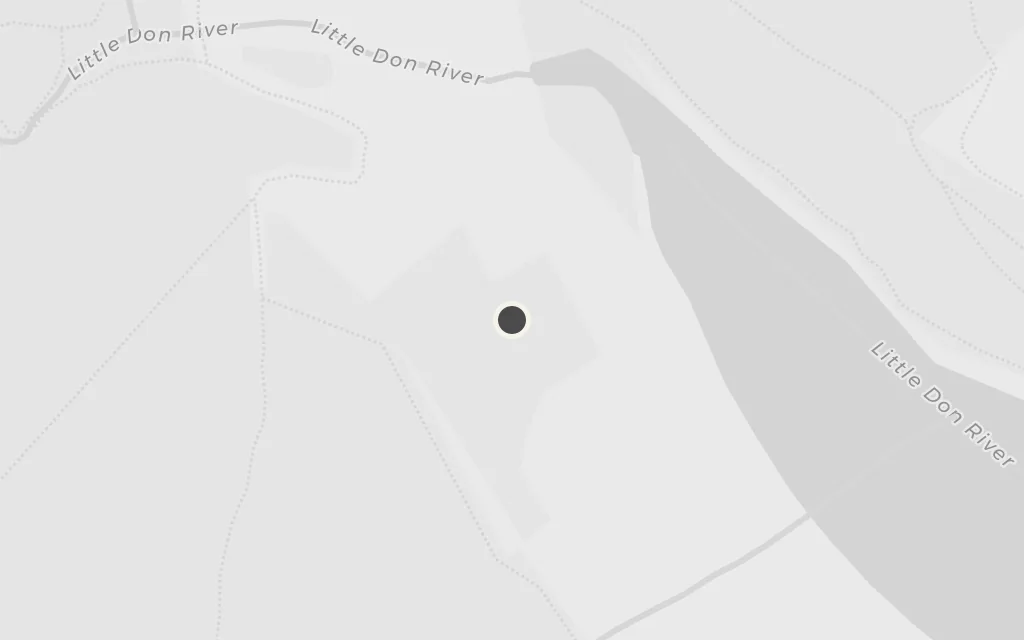
Map of Lowood School today
Northern England today

Sent to the charity school of Lowood, Jane endures cold, hunger and humiliation, and watches her gentle friend Helen Burns die of the fever that sweeps the dormitories. Brontë drew the school from the real Cowan Bridge that killed two of her own sisters, and forged in its privations the endurance and integrity that carry Jane on.

The Lowood chapters

inspired byLowood, the harsh charity school, is drawn from the Clergy Daughters' School at Cowan Bridge that Brontë attended; sited there.

Open in Google Maps ↗Street View ↗

The governess50% in
Rochester

Thornfield Hall

The governess

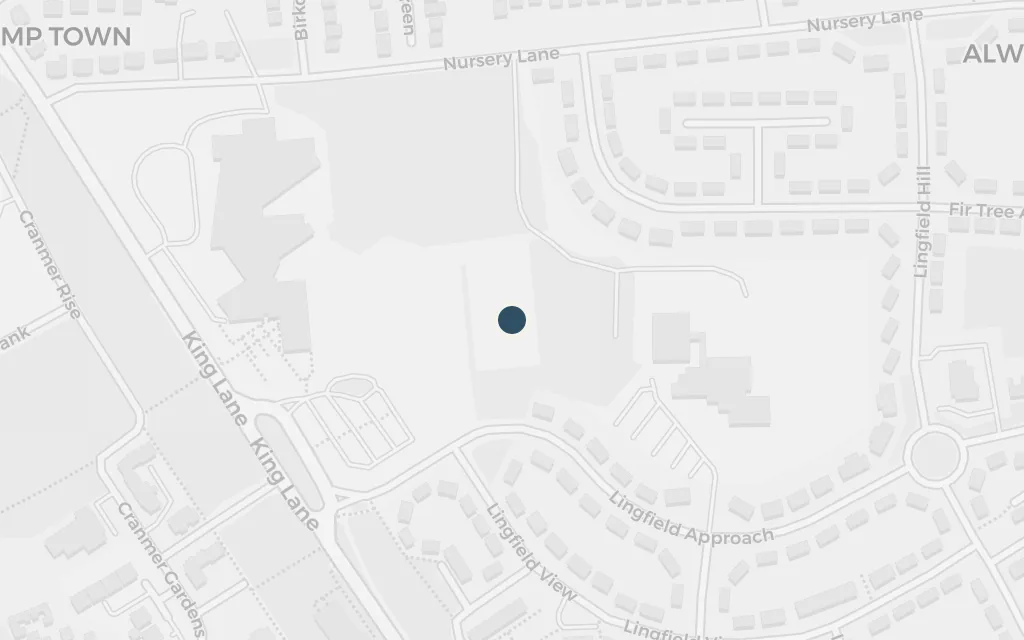
Map of Thornfield Hall today
Northern England today

As governess at Thornfield, Jane falls in love with its master, the brooding Mr Rochester, only to learn at the altar that his mad first wife, Bertha, is still alive and locked in the attic above. Brontë sets the novel's central drama in this shadowed hall drawn from a real Peak District house, where a strange laughter in the night and a fire in the dark warn of the secret it hides.

The Thornfield chapters

inspired byThornfield Hall, where Jane is governess, is drawn from North Lees Hall near Hathersage in the Peak District; sited there.

Open in Google Maps ↗Street View ↗

The moors75% in
St John

Moor House

The moors

Map of Moor House today
Northern England today

Fleeing Thornfield, Jane nearly dies on the open moor before the clergyman St John Rivers and his sisters take her in, and St John presses her to a loveless missionary marriage. On the bleak moors that the Brontës loved, Jane comes into an inheritance and a family, and chooses, against St John's cold duty, to answer instead the voice that calls her back to Rochester.

The Moor House chapters

inspired byMoor House and the moorland village of Morton, where the destitute Jane is taken in by the Rivers family, are drawn from the Yorkshire moors; sited there.

Open in Google Maps ↗Street View ↗

The reunion100% in
Rochester

Ferndean

The reunion

Map of Ferndean today
Northern England today

Jane finds Rochester at last at lonely Ferndean, blinded and maimed in the fire that destroyed Thornfield and killed Bertha, and marries him now as his equal. Brontë ends by clearing away every barrier of station and pride between them, so that Jane returns not as a dependent but by her own free choice, and 'Reader, I married him' is spoken from strength.

The final chapters

inspired byFerndean Manor, the remote house where the blinded Rochester lives after the fire, is a fictional retreat drawn from the wooded country of the north; sited in the setting.

Open in Google Maps ↗Street View ↗