The Vojvodina of Migrations

Crnjanski's melancholy masterpiece follows the Serbs of the Habsburg military frontier in the 1740s, colonists and soldiers of an empire not their own, dreaming of migrating to Orthodox Russia. Its ground is the Serbian frontier of the Vojvodina and Srem along the Danube: the frontier villages and the officer Vuk Isakovič's home, the great river that marks the border and the road to war, and the prosperous town of his merchant brother, while the campaigns of a foreign war and the far-off dream of Russia pull the exiles endlessly on.

Author
Miloš Crnjanski, 1929
Places
5

Open the interactive map →

The home0% in
Dafina

The frontier villages

The home
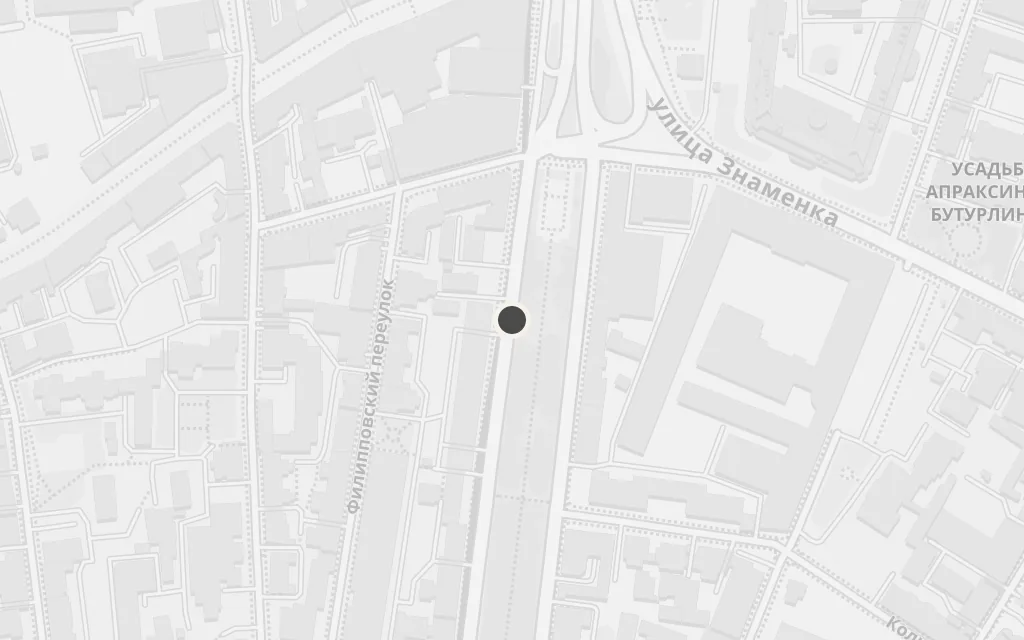
Map of The frontier villages today
Vojvodina today

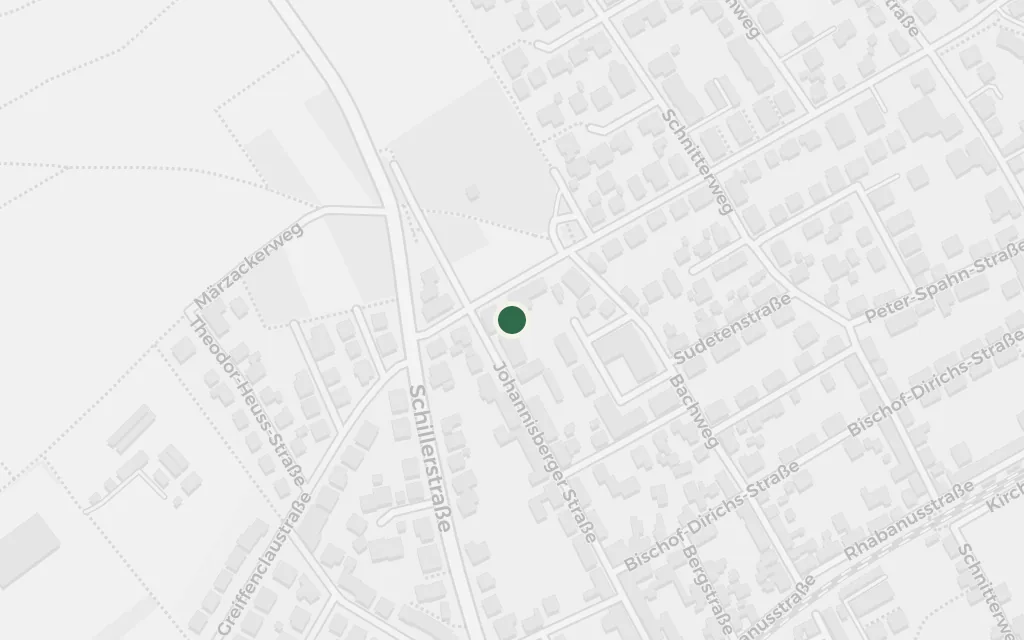
In the frontier village Vuk Isakovič's wife Dafina waits through the long absences of a soldier-husband forever marched off to the Empire's wars. The colonists' precarious life on the military border, tolerated but never quite belonging, is the ground of the book's great theme of a people without a country of their own.

The home chapters

inspired byThe Isakovič family lives in the Serbian villages of the Habsburg military frontier in the Vojvodina and Srem; the villages are sited in that real region along the Danube, the specific settlement the novel's own.
Open in Google Maps ↗Street View ↗

The march25% in
Vuk Isakovič

The Danube (the frontier)

The march

Map of The Danube (the frontier) today
Vojvodina today

From the banks of the Danube Vuk leads his Serbian regiment off to fight the Empire's battles far away, weary and half-unwilling, a soldier of a cause that is not his people's. The river, boundary and road at once, carries him out toward the West and back again, the eternal coming and going that gives the book its title.

The march chapters

explicitThe Danube, the great river marking the frontier of the Habsburg lands, is where Vuk's regiment musters and crosses to march to war; the real river anchors the geography of the frontier.

Open in Google Maps ↗Street View ↗

The war50% in
The general

The western campaign

The war

Map of The western campaign today
Vojvodina today

Under Austrian generals, Vuk's Serbs are marched across half of Europe to fight in a war whose causes mean nothing to them, dying for an emperor who despises them. The distant, pointless campaign, all mud, boredom and slaughter, embodies the futility of a people's service to a foreign crown.

The war chapters

inspired byVuk's regiment marches west to fight in the War of the Austrian Succession, on campaigns in the German lands; the theatre is real, the exact route the novel's own, far from the Serbian frontier.

Open in Google Maps ↗Street View ↗

Aranđel75% in
Aranđel

The merchant's town

Aranđel

Map of The merchant's town today
Vojvodina today

While Vuk marches and dies a little on every campaign, his brother Aranđel stays home and grows rich by trade, and in the officer's absence draws close to Dafina. The merchant's comfortable, worldly life stands against the soldier's rootless honour, the two brothers embodying the choices open to a people trying to survive between empires.

The Aranđel chapters

inferredVuk's brother Aranđel prospers as a merchant in a frontier town of the Vojvodina; the town and his house are sited in the real region, the specific place the novel's own.

Open in Google Maps ↗Street View ↗

The longing100% in
Vuk Isakovič

The dream of Russia

The longing

Map of The dream of Russia today
Vojvodina today

Through all his weariness Vuk nurses the dream shared by many of the frontier Serbs, of migrating to a great Orthodox Russia where they would at last be among their own. Russia, forever imagined and never reached, is the blue horizon of the book's longing, the true homeland that exists only as a direction to keep migrating toward.

The longing chapters

inferredVuk and many frontier Serbs dream of migrating to Orthodox Russia, an imagined homeland far to the north-east; sited at Russia, the longed-for destination beyond the novel's actual setting.

Open in Google Maps ↗Street View ↗