The Johannesburg of Mine Boy

Xuma comes from the north to work in the gold mines of Johannesburg and lodges in the crowded slum of Malay Camp, where he slowly wakes to the injustice of the colour bar that rules every hour of his life. Abrahams maps the real segregated city: the multiracial shebeen world of Malay Camp and Vrededorp, the deep gold mines and their white dumps south of town, the white city centre where black men are only ever labour, and the streets where the police raid and the new consciousness stirs.

Author
Peter Abrahams, 1946
Places
5

Open the interactive map →

Chapter 10% in
Leah

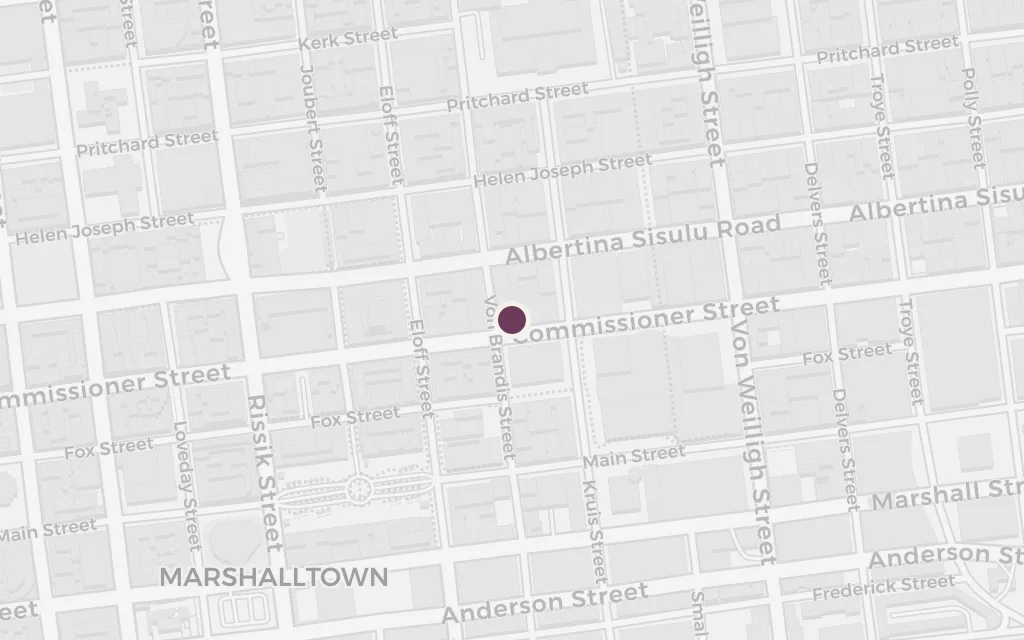
Malay Camp (Leah's shebeen)

Chapter 1
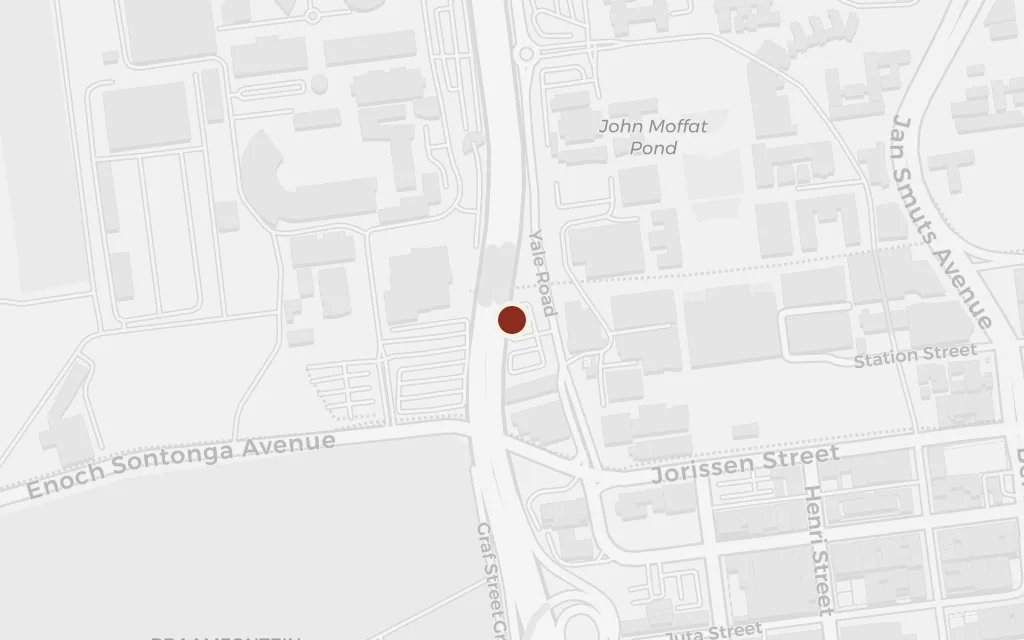
Map of Malay Camp (Leah's shebeen) today
Johannesburg today

Newly arrived and knowing no one, Xuma is taken in by Leah, the shrewd, generous queen of an illicit shebeen selling home-brewed beer under the noses of the police. Her rowdy household in Malay Camp is his first family in the city, and his window on the whole vivid, precarious life of the black slum.

Chapter 1

inferredXuma lodges in Malay Camp, the real crowded, multiracial slum of old Johannesburg, at the illegal drinking house of Leah; the specific shebeen is invented and sited in that district near Vrededorp.
Open in Google Maps ↗Street View ↗

Chapter 325% in
Xuma

The gold mines

Chapter 3

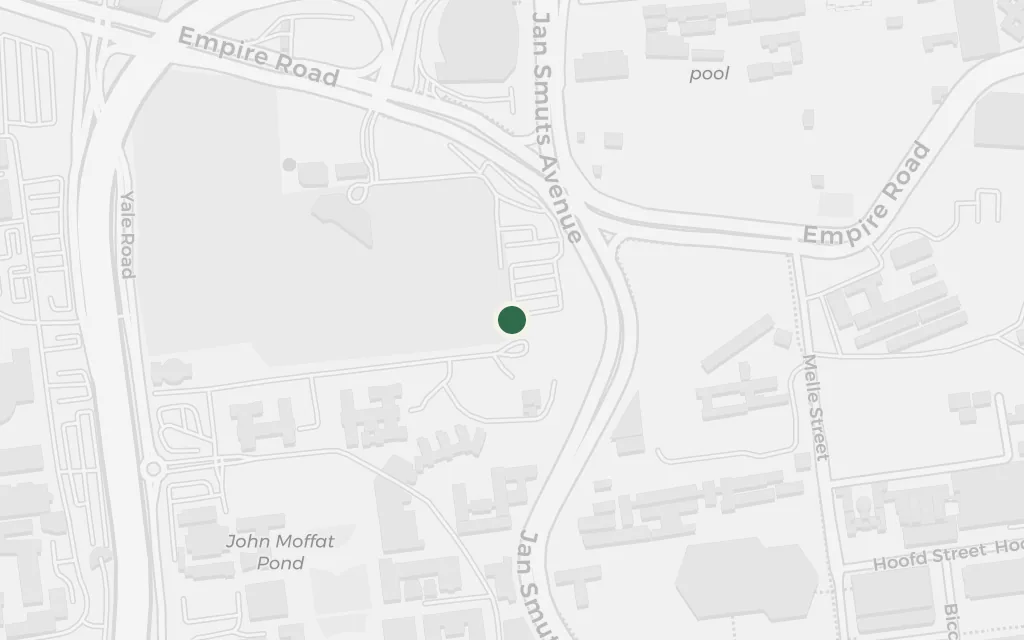
Map of The gold mines today
Johannesburg today

In the heat and danger far below ground, Xuma becomes a boss boy driving a black gang for a white man who takes the credit and the pay. The mines, with their pale dumps rising over the city, are where the whole racial order is starkest, and where Xuma's slow, painful political awakening begins.

Chapter 3

explicitXuma works underground in the gold mines of the Witwatersrand, the reef of deep mines and white sand dumps south of Johannesburg on which the city was built; the mines are real and central to the book.

Open in Google Maps ↗Street View ↗

Chapter 650% in
Xuma

Vrededorp (the streets and the raids)

Chapter 6

Map of Vrededorp (the streets and the raids) today
Johannesburg today

In the streets outside, the pass laws and the beer raids make ordinary life a constant negotiation with fear, and Leah's arrest shows how thin the ground is beneath even the cleverest survivor. Xuma watches the machinery of the colour bar at work and slowly stops accepting it as simply the way things are.

Chapter 6

explicitThe streets of Vrededorp and Malay Camp, real districts of segregated Johannesburg, are where the pass laws, liquor raids and police harassment fall daily on black residents.

Open in Google Maps ↗Street View ↗

Chapter 875% in
Eliza

The white city (Eliza's world)

Chapter 8

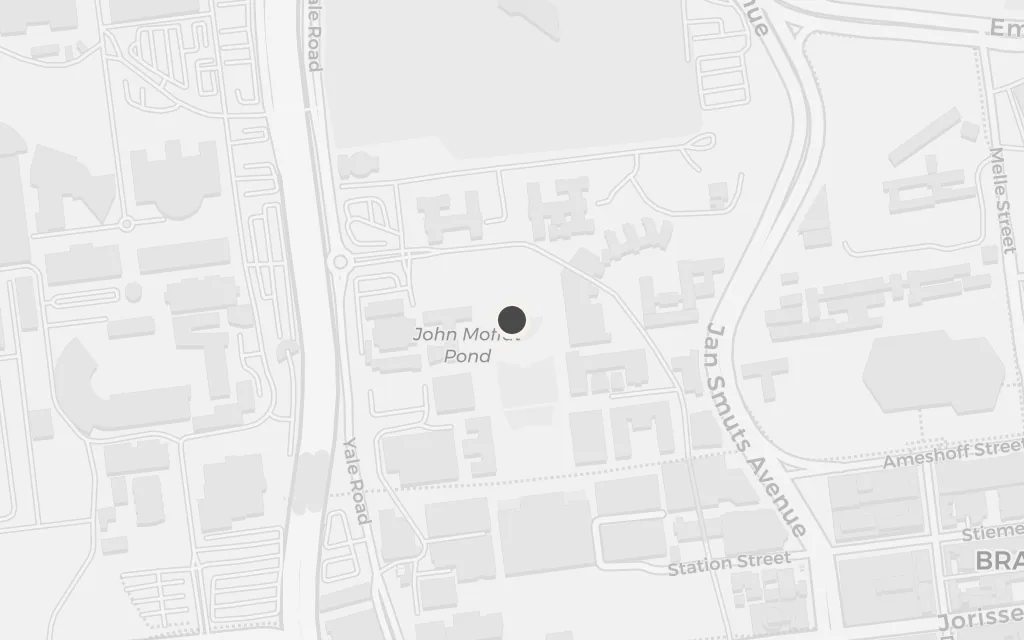
Map of The white city (Eliza's world) today
Johannesburg today

Xuma loves the educated Eliza, but she is tormented by a longing for the white world's things and refinements that she can never have, and cannot love him wholly. Her restlessness, set against the wholesome Maisy, dramatises how the colour bar warps even the heart, and finally she leaves him.

Chapter 8

explicitThe white city centre of Johannesburg, where black people are admitted only as labour, is the world the schoolteacher Eliza yearns toward; sited in the real central business district.

Open in Google Maps ↗Street View ↗

Chapter 11100% in
Maisy

Malay Camp (Maisy and the awakening)

Chapter 11

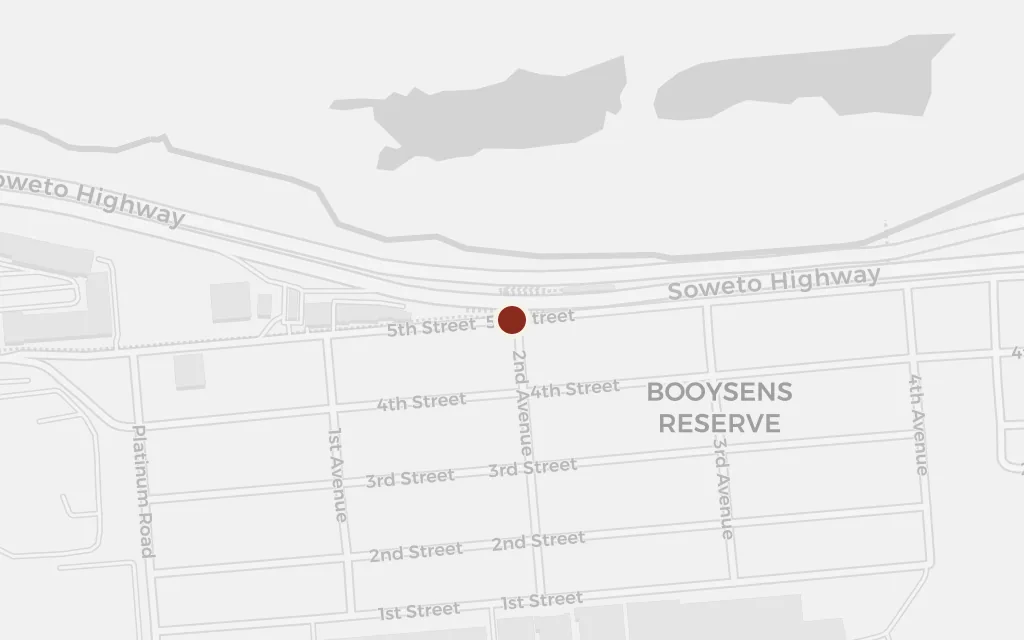
Map of Malay Camp (Maisy and the awakening) today
Johannesburg today

When a mine accident and a white doctor's stand push Xuma to lead his fellow workers out on strike, he acts at last as a man and not merely as labour, and is arrested for it. With the steadfast Maisy waiting, the book ends on the birth of a shared black consciousness, refusing to be treated as less than human.

Chapters 11-12

inferredBack in the world of Malay Camp are the cheerful, loving Maisy and the community whose solidarity carries the book's final turn; sited in the real slum district Abrahams portrays.

Open in Google Maps ↗Street View ↗