The Western Canada of Obasan

A schoolteacher, Naomi Nakane, pieces together the wartime uprooting of her Japanese-Canadian family: torn from their Vancouver home in 1942, interned in the interior British Columbia ghost town of Slocan, then forced onto the Alberta beet farms, while her mother, trapped in Japan, is lost to the Nagasaki bomb. Kogawa maps the real geography of the internment: the seized coastal home, the mountain camp, the prairie exile, and the silence her aunt Obasan keeps over it all.

Author
Joy Kogawa, 1981
Places
5

Open the interactive map →

Before the war0% in
The mother

The Vancouver home

Before the war
Map of The Vancouver home today
Western Canada today

In their comfortable Vancouver house Naomi's early childhood is warm and secure, her gentle mother at its centre, before the war tears it all apart. Kogawa sets the lost paradise of the family's coastal life, the ordinary happiness whose destruction the rest of the book so quietly and devastatingly records.

The early chapters

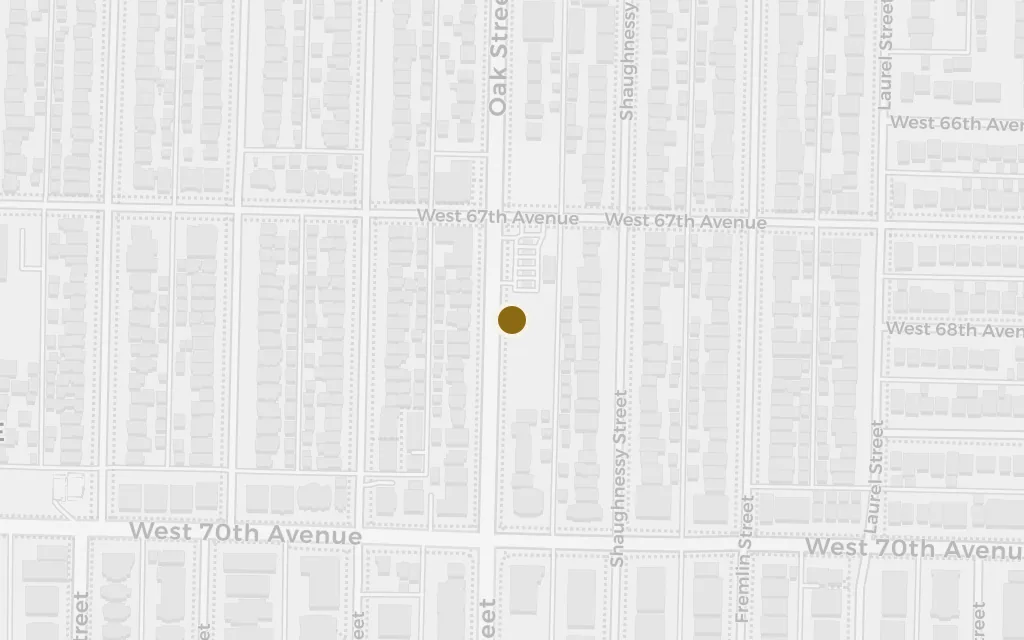
explicitNaomi's family lives in the Marpole district of Vancouver before the war, the real coastal city from which Japanese Canadians were removed; sited there.
Open in Google Maps ↗Street View ↗

194225% in
Aunt Emily

The uprooting

1942

Map of The uprooting today
Western Canada today

In 1942 the government brands the family enemy aliens, confiscates their home, boat and belongings, and orders them inland, the injustice Aunt Emily documents in furious detail. Kogawa lays out the bureaucratic machinery of dispossession, the papers and notices by which a community was stripped of everything and scattered.

The removal chapters

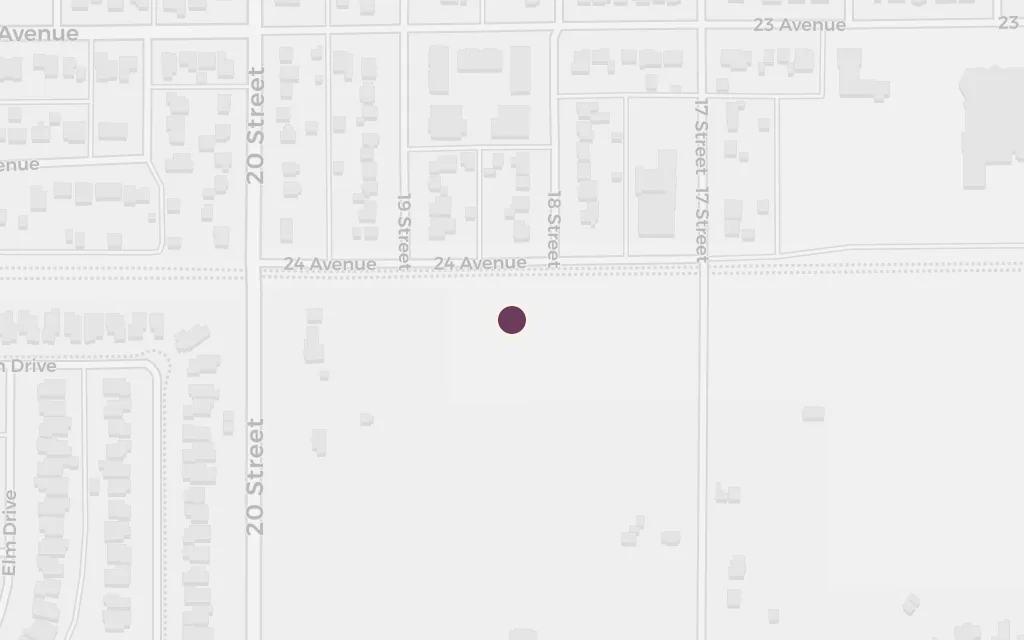
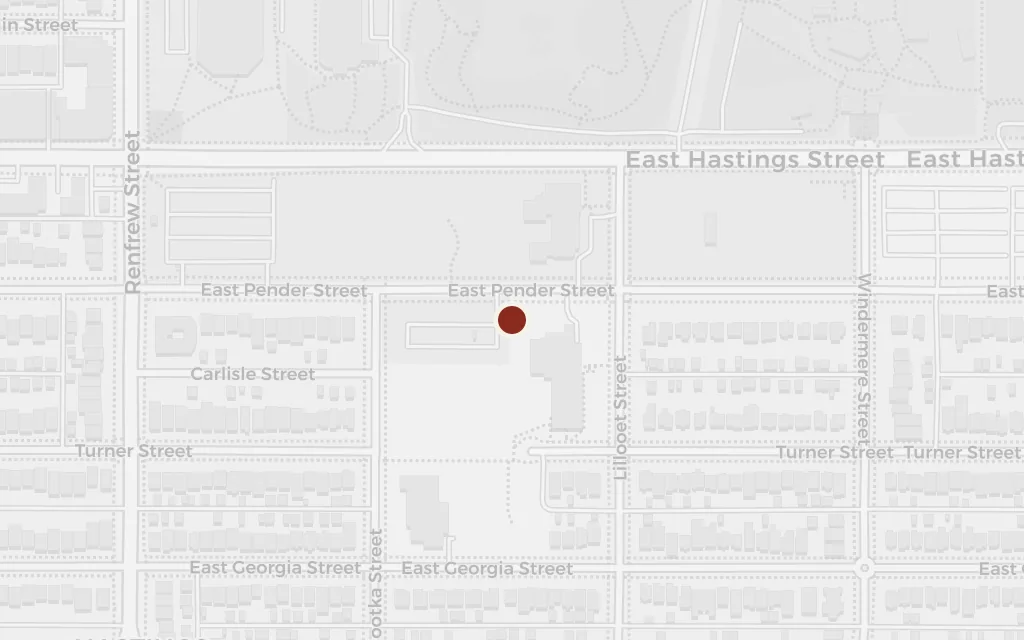
explicitAfter Pearl Harbor, Japanese Canadians were assembled and processed, many through Hastings Park in Vancouver, before removal; the seizure of homes and boats is the real historical event, sited in the city.

Open in Google Maps ↗Street View ↗

The camp50% in
Obasan

Slocan (the internment)

The camp

Map of Slocan (the internment) today
Western Canada today

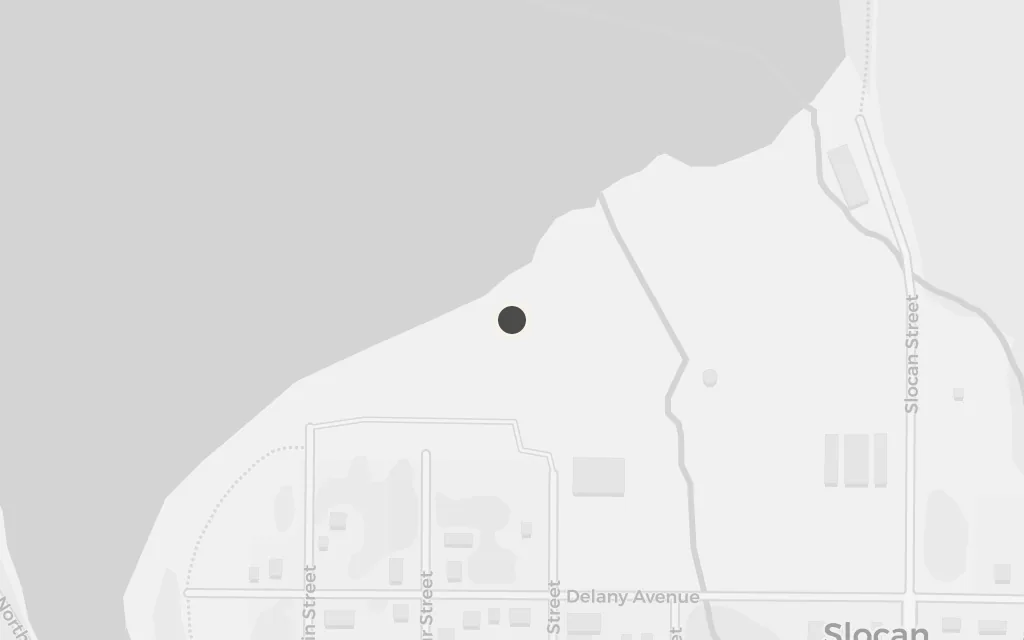
In the mountain ghost town of Slocan the family makes a life in a decrepit shack, Obasan holding them together through cold and want with her endless patient silence. Kogawa renders the internment not as spectacle but through a child's eyes, the strangeness and small mercies of the camp shadowing the wrong being done to them all.

The Slocan chapters

explicitThe family is interned at Slocan, a real ghost town in the interior of British Columbia used as a Japanese-Canadian internment camp; sited there.

Open in Google Maps ↗Street View ↗

The prairies75% in
Naomi

The Alberta beet farm

The prairies

Map of The Alberta beet farm today
Western Canada today

Barred from returning to the coast, the family is sent to toil on a southern Alberta beet farm, living in a hut on the bald, freezing prairie. Kogawa shows how the injustice did not end with the war but continued in this second exile, the dispersal meant to break the community for good.

The Alberta chapters

explicitAfter the war the family is forced east to labour on the sugar-beet farms of southern Alberta around Coaldale, part of the real dispersal policy; sited there.

Open in Google Maps ↗Street View ↗

The silence100% in
The mother

Nagasaki (the mother's fate)

The silence

Map of Nagasaki (the mother's fate) today
Western Canada today

The silence at the book's heart is finally broken with the truth of the mother, stranded in Japan and disfigured by the Nagasaki bomb, whose fate the family kept from the children for decades. Kogawa binds the Canadian injustice to the war's furthest horror, and lets Naomi, at last, grieve and begin to speak.

The revelation

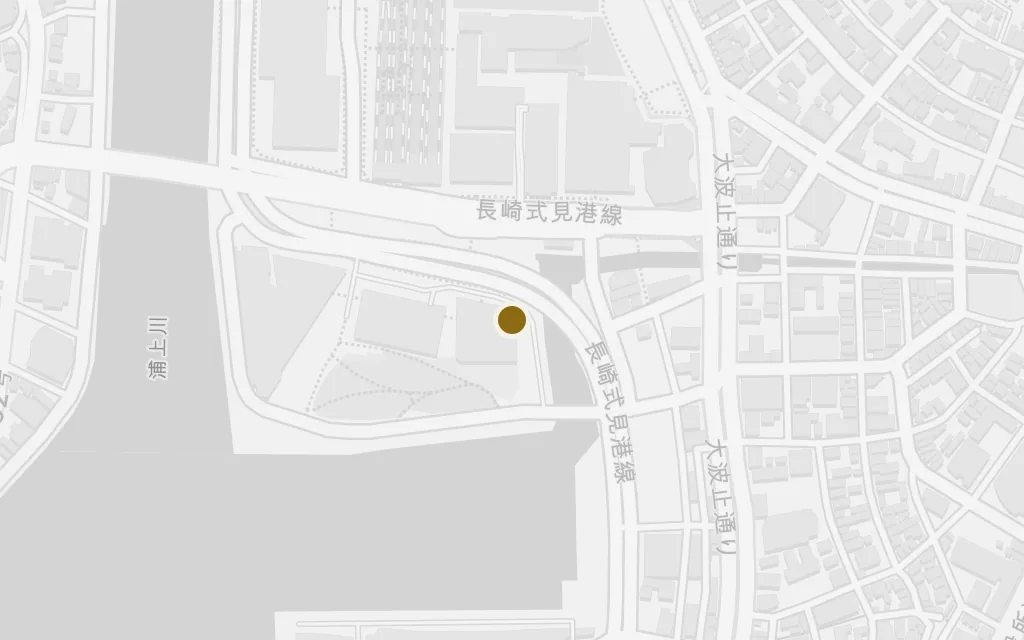
inferredNaomi's mother, visiting Japan when the war broke out, was in Nagasaki and maimed by the atomic bomb; her fate, long hidden from the children, is set in the real city, far outside the Canadian setting.

Open in Google Maps ↗Street View ↗