The island of Robinson Crusoe

Shipwrecked alone on a tropical island near the mouth of the Orinoco, Robinson Crusoe spends twenty-eight years wresting a life from the wilderness, until a footprint in the sand, and the man Friday, change everything. Defoe frames the survival tale with a real geography: the departure from England against his father's wishes, the Brazil plantation he abandons for one last voyage, and the Caribbean island, drawn from the seas off Trinidad and the Orinoco delta, on which he is cast away.

Author
Daniel Defoe, 1719
Places
5

Open the interactive map →

To sea0% in
Crusoe

Hull and York

To sea
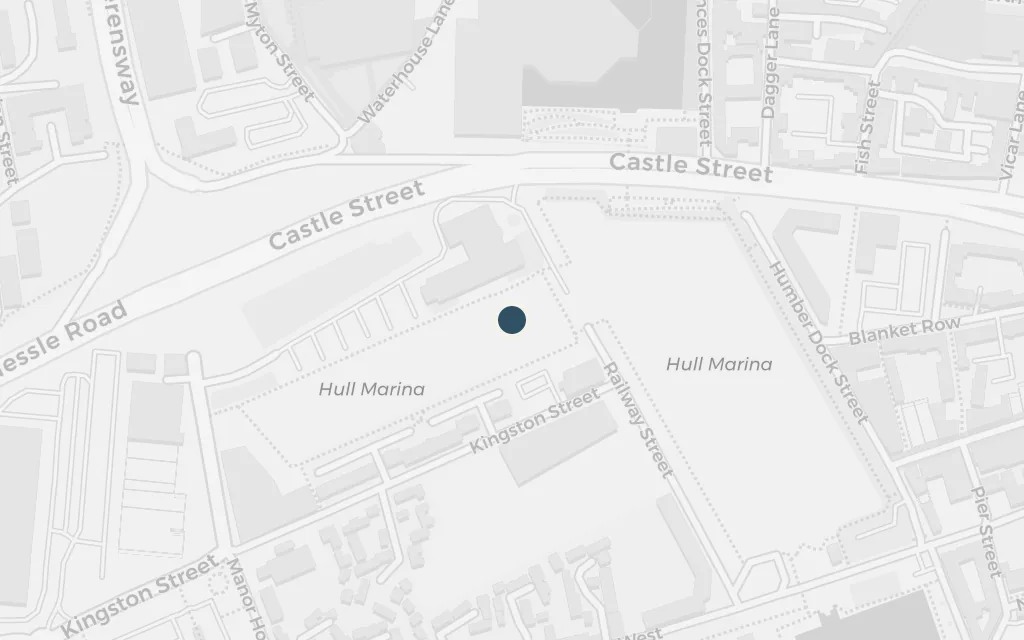
Map of Hull and York today
the island today

Against his father's plea to be content with the safe middle station of life, the restless young Crusoe runs off to sea from Hull, and is shipwrecked, enslaved and freed before ever reaching his island. Defoe frames the whole book as the story of a disobedient wanderer, the comfortable English home rejected for a life of danger that his island exile will make him repent.

The opening chapters

explicitCrusoe leaves his family at York and sails from Hull, real English towns, against his father's advice; sited there, far outside the island setting.

Open in Google Maps ↗Street View ↗

The planter25% in
Crusoe

The Brazil plantation

The planter

Map of The Brazil plantation today
the island today

In Brazil, Crusoe builds a successful sugar plantation and could settle to a prosperous life, but restlessness sends him on a voyage to fetch enslaved Africans, and it is that ship that wrecks. Defoe roots the tale in the real Atlantic economy of sugar and slavery, the greed for more that tears Crusoe from safety and casts him, as he comes to see it, as punishment, onto his island.

The Brazil chapters

inspired byCrusoe prospers as a sugar planter in Brazil before the fatal slaving voyage; drawn from the real plantation coast around Bahia and sited there, far outside the island setting.

Open in Google Maps ↗Street View ↗

The castaway50% in
Crusoe

The island

The castaway

Map of The island today
the island today

Cast up alone on the island, Crusoe salvages what he can from the wreck and, year by year, builds a fortified home, tames goats, raises corn and keeps a journal, remaking civilisation from nothing. Defoe's patient inventory of survival, tools, calendar, faith, is the book's famous core, one man's dogged labour turning a wilderness into a domain.

The island chapters

inspired byCrusoe's island, the sole survivor's home for twenty-eight years, is drawn by Defoe from the Caribbean near the mouth of the Orinoco; sited off Trinidad in that region.

Open in Google Maps ↗Street View ↗

Not alone75% in
Friday

The footprint and Friday

Not alone

Map of The footprint and Friday today
the island today

After years alone, Crusoe is thunderstruck by a single footprint in the sand, and later saves a captive from cannibals who visit the shore, naming him Friday and making him companion and servant. Defoe turns the tale outward here, the terror of the unknown other and the fraught, unequal bond between the European castaway and the man he rescues and rules.

The Friday chapters

inspired byThe single footprint in the sand and the rescue of Friday from the cannibals who land on the island are sited on Crusoe's island in the setting.

Open in Google Maps ↗Street View ↗

Deliverance100% in
The captain

The rescue

Deliverance

Map of The rescue today
the island today

When mutineers put their captain ashore on the island, Crusoe and Friday help him retake his ship, and Crusoe sails home at last, rich from his Brazil estate, after twenty-eight years away. Defoe ends with deliverance earned and providence acknowledged, the wanderer returned and, this once, grateful for the ordinary life he had spurned.

The final chapters

inferredCrusoe and Friday retake a ship from mutineers who land on the island, winning Crusoe's passage home after twenty-eight years; sited on the island of the setting.

Open in Google Maps ↗Street View ↗