The Eastwood of Sons and Lovers

The Nottinghamshire coalfield that made Lawrence. He renamed his home village of Eastwood "Bestwood" and the pit "Minton", but placed them exactly on the ground he grew up on: the collieries where his father worked, the Chambers family's Haggs Farm that became Miriam's, and Nottingham itself, where Paul takes the train to work and to the art school. It brings the English mining Midlands into the atlas.

Author
D. H. Lawrence, 1913
Places
6
Accent colour
“their red mouths”

Open the interactive map →

Ch. 10% in
Paul Morel

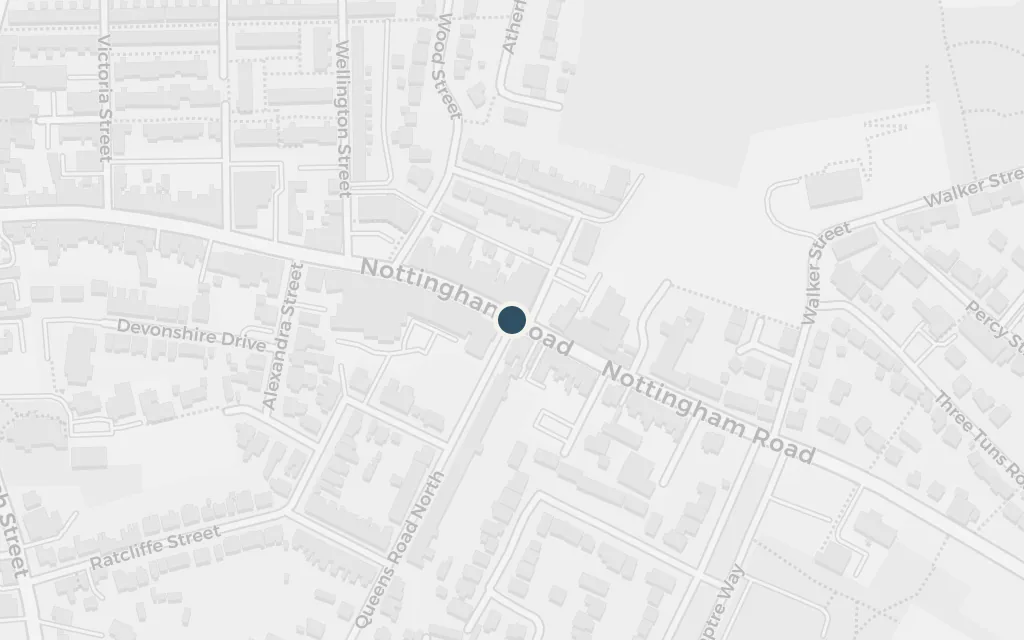
Bestwood (Eastwood)

Ch. 1 · 0% through the novel
Map of Bestwood (Eastwood) today
Eastwood today
And the cottages of these coal-miners, in blocks and pairs here and there, together with odd farms and homes of the stockingers, straying over the parish, formed the village of Bestwood.

The novel opens with the coalfield itself, the gin-pits swept aside by the great financiers' mines, and the miners' quarters thrown up on the hillside. Lawrence renamed his birthplace Bestwood, but every street and slope is Eastwood, the town he called "the country of my heart".

inspired by"Bestwood" is Lawrence's fictional name for Eastwood, the Nottinghamshire mining town where he was born in 1885. The village he describes, its Squares and Bottoms of miners' dwellings, is Eastwood on the ground; the pin marks the town centre.
Open in Google Maps ↗Street View ↗

Ch. 419% in
Paul Morel

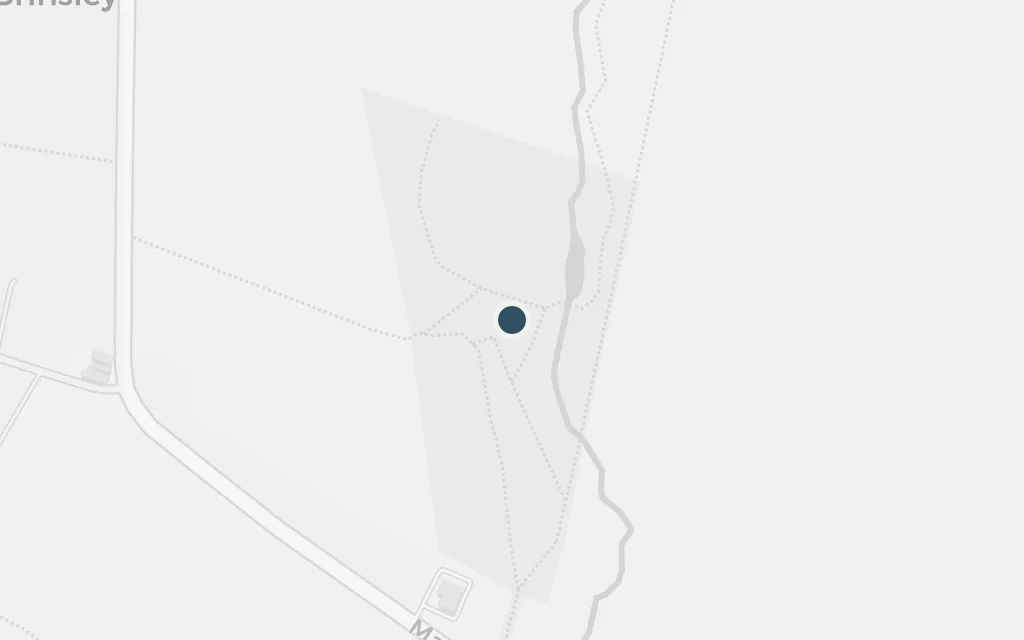
Minton pit (Brinsley Colliery)

Ch. 4 · 19% through the novel

Map of Minton pit (Brinsley Colliery) today
Eastwood today
The entry was very dark, and at the end the whole great night opened out, in a hollow, with a little tangle of lights below where Minton pit lay, and another far away opposite for Selby.

The pit is the fixed pole of the Morels' world: the father goes down it, the family lives by its wages, and its lights hang in the valley below the house at night. Lawrence's father worked at Brinsley Colliery, whose wooden headstocks stood on this spot until 2023.

inspired by"Minton" is the novel's pit, where Walter Morel works as Lawrence's own father did. It is drawn from the collieries around Eastwood, chiefly Brinsley Colliery, where Arthur Lawrence was a miner; the pin marks the preserved Brinsley headstocks site.

Open in Google Maps ↗Street View ↗

Ch. 523% in
Paul Morel

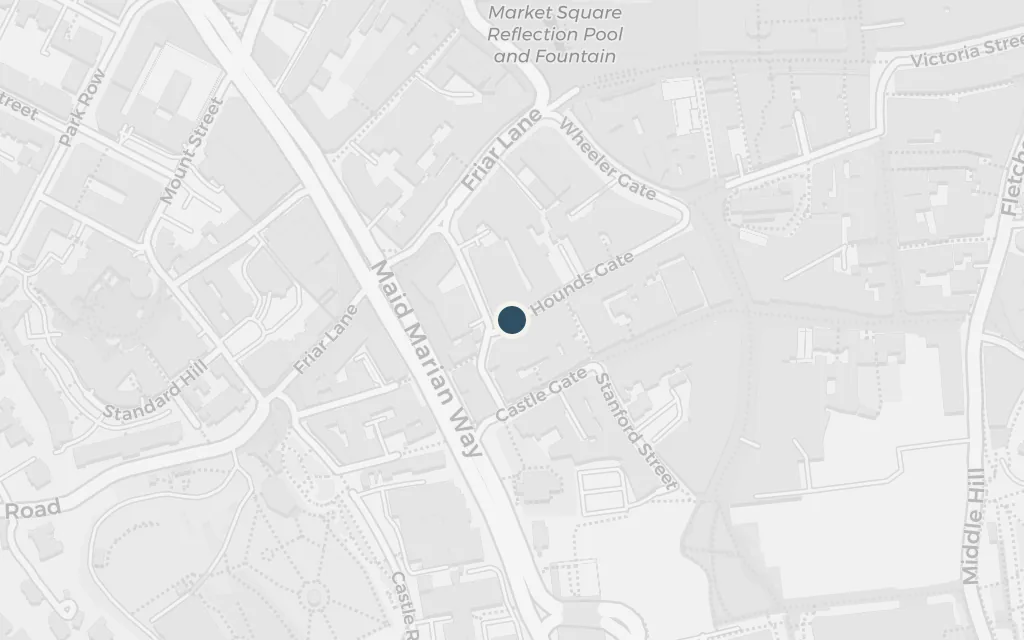
Jordan's, 21 Spaniel Row, Nottingham

Ch. 5 · 23% through the novel

Map of Jordan's, 21 Spaniel Row, Nottingham today
Eastwood today
Presently, Paul was bidden call upon Thomas Jordan, Manufacturer of Surgical Appliances, at 21, Spaniel Row, Nottingham.

At fourteen Paul is summoned to Nottingham for his first job, a junior clerk at a maker of trusses and artificial limbs. The factory in the gloomy warehouse is invented, but Lawrence pins it to a real Nottingham street, the daily train ride into the city that pulls Paul away from Bestwood.

inferredThomas Jordan's surgical-appliance factory is fictional, but the address Lawrence gives it, Spaniel Row in Nottingham, is a real street off Friar Lane in the city centre; the pin sits on it.

Open in Google Maps ↗Street View ↗

Ch. 630% in
Miriam Leivers

Willey Farm (Haggs Farm)

Ch. 6 · 30% through the novel

Map of Willey Farm (Haggs Farm) today
Eastwood today
A dog barked furiously. A woman came out to see. “Is this the way to Willey Farm?” Mrs. Morel asked.

Mrs Morel and Paul walk out across the fields to the Leivers' farm, and the visit opens the whole second half of the book: Paul's long, tormented love for Miriam. Lawrence took the farm and its family straight from Haggs Farm and the Chambers, where he spent his happiest years.

inspired by"Willey Farm", the Leivers home and Miriam's, is drawn from Haggs Farm near Underwood, the working farm of the Chambers family, whose daughter Jessie was Lawrence's model for Miriam. The pin marks Old Haggs Farmhouse off Willey Lane, Greasley (NGR SK 478 501).

Open in Google Maps ↗Street View ↗

Ch. 945% in
Paul Morel

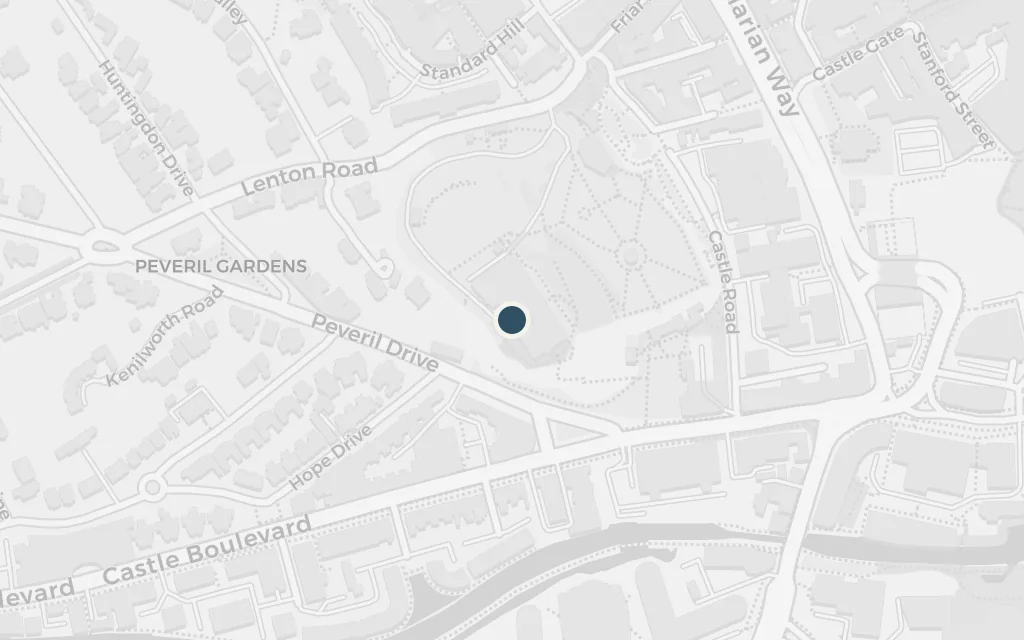
Nottingham Castle

Ch. 9 · 45% through the novel

Map of Nottingham Castle today
Eastwood today
And in the autumn exhibition of students’ work in the Castle he had two studies, a landscape in water-colour and a still life in oil, both of which had first-prize awards.

Paul's painting, the gift that might carry him out of the clerk's stool at Jordan's, first wins public notice here: two first prizes in the students' exhibition at Nottingham Castle. His mother's fierce pride in the achievement is the engine of the whole book.

inferred"The Castle" is Nottingham Castle, then the municipal museum and art gallery, which held the annual exhibitions of the local art students' work. The pin marks the castle building; the exact gallery is not fixed in the text.

Open in Google Maps ↗Street View ↗

Ch. 1385% in
Paul Morel

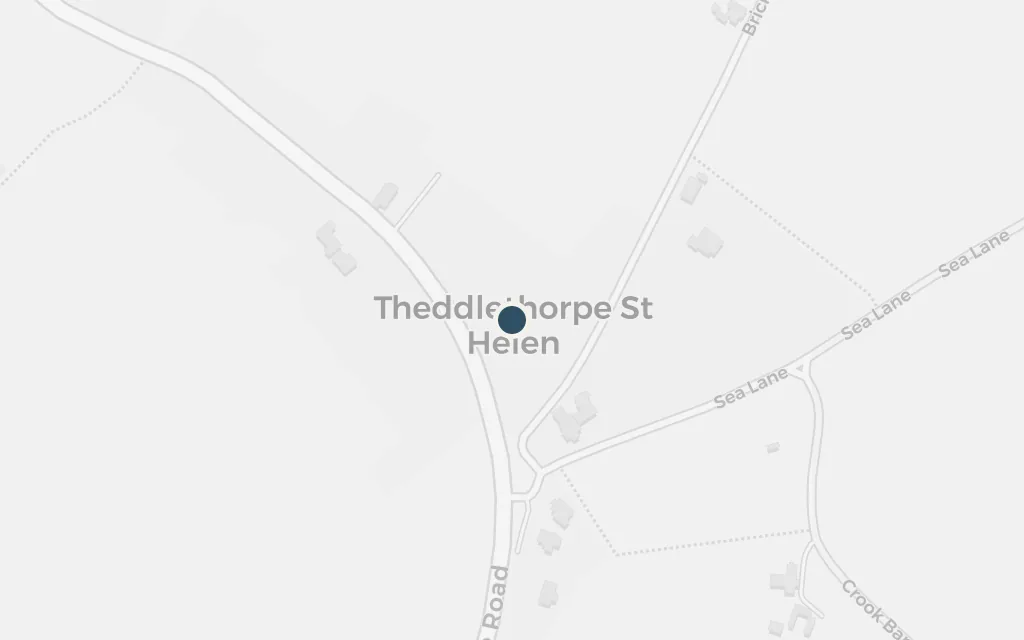
Theddlethorpe, the Lincolnshire coast

Ch. 13 · 85% through the novel

Map of Theddlethorpe, the Lincolnshire coast today
Eastwood today
In the spring they went together to the seaside. They had rooms at a little cottage near Theddlethorpe, and lived as man and wife.

Paul takes Clara Dawes to the sea, to a cottage near Theddlethorpe on the flat Lincolnshire shore he loves. The long empty foreshore and the dawn bathing are among the book's most open moments, a brief escape from the mining valley and from his mother's hold.

inferredThe holiday cottage is fictional and unlocated, but Lawrence names Theddlethorpe on the Lincolnshire coast, some 90 km east of Eastwood, so it is flagged as an excursion beyond the book's setting. The pin marks the village of Theddlethorpe St Helen.

Open in Google Maps ↗Street View ↗