Soviet-occupied Latvia across two decades: a gifted Riga doctor is banished to run a rural clinic, and her daughter grows up between the flat dairy country of the countryside and the grey capital, as the occupation grinds on toward the independence that arrives with the map's final years. The map runs from Riga's Old Town out east and south into the farmland where the mother is exiled.
The daughter is born into a Riga family at the start of the 1970s, under Soviet rule. The capital is where the grandmother keeps a household and where the mother trained as a doctor, and it is the pole the daughter keeps returning to across the years the book covers.
Opening chapters
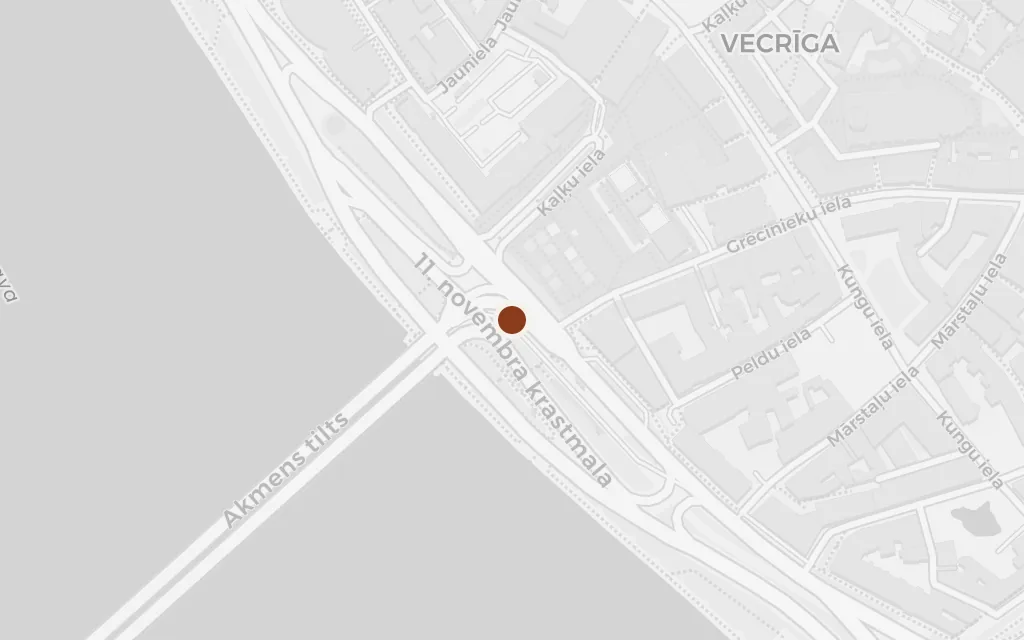
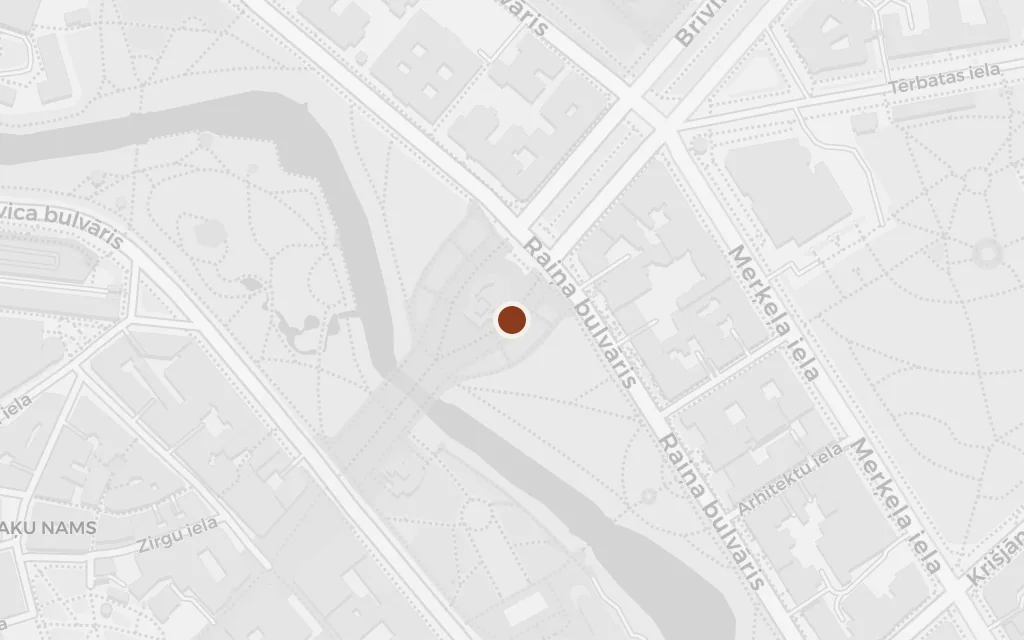
explicitThe novel is anchored in Riga, the author's own city and the family's home before the mother's exile; this marks the centre of the Latvian capital.
The medieval streets of Riga's Old Town stand for the city the daughter knows: cramped Soviet-era life going on among older stone, church spires and squares, a settled European past held under a foreign regime.
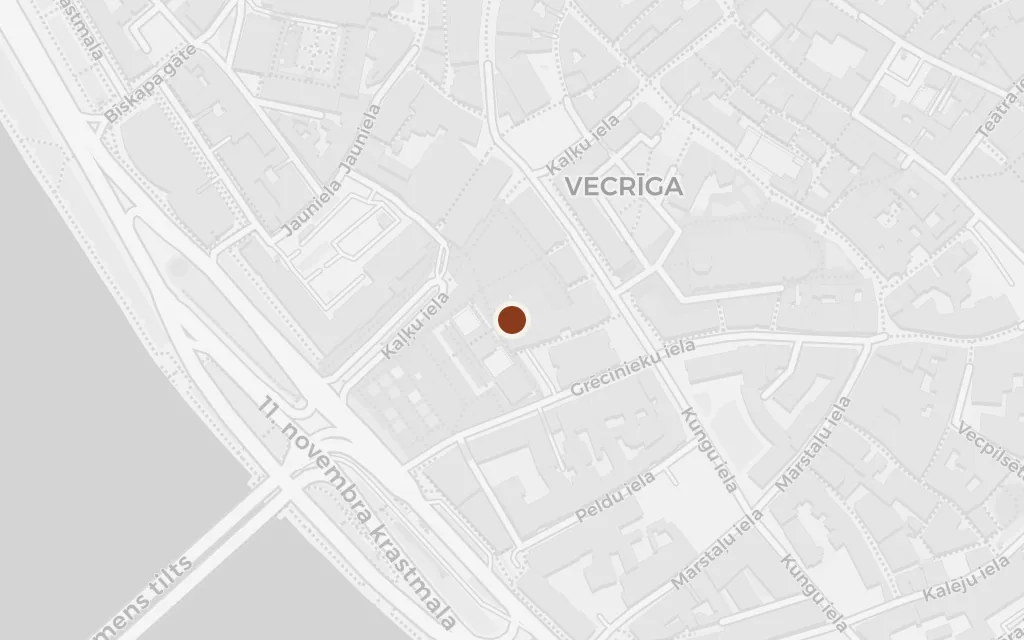
Riga chapters
explicitRiga's historic core is a real, named part of the capital that frames the book; this marks Town Hall Square in Vecrīga, beside the House of the Blackheads.
Punished for defying the regime, the mother is sent from Riga to run a small ambulatory clinic in a Latvian village. The daughter spends much of her childhood here, watching a doctor of real gift wear down in provincial isolation, far from the city she was made for.
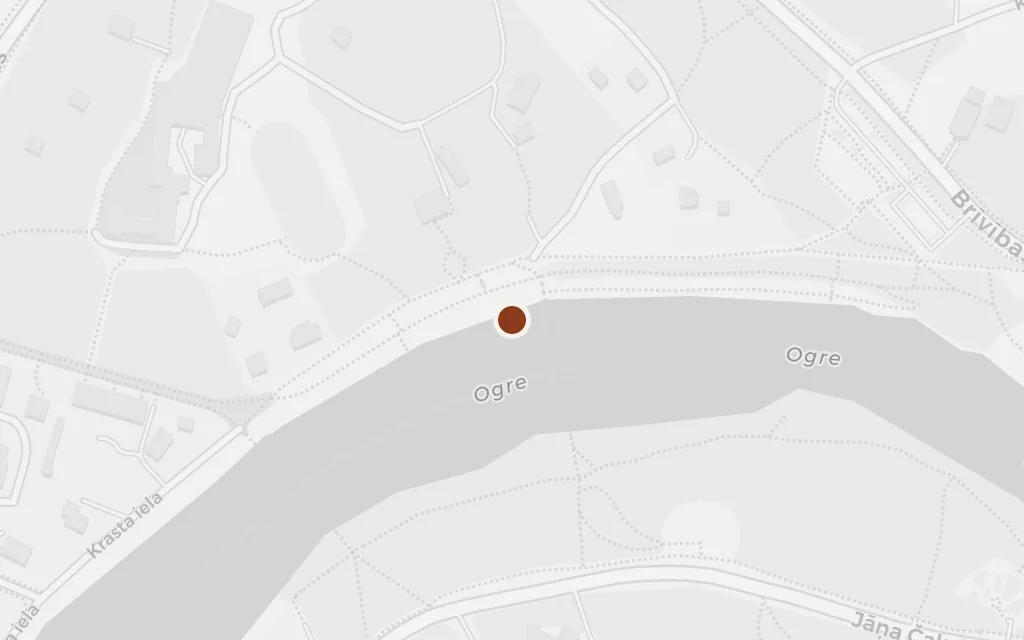
Rural clinic chapters
inferredThe novel does not name the village; the mother is banished to run a country ambulatory clinic, so this sites it at a representative point in the Ogre district countryside east of Riga.
Around the clinic lies the ordinary rural Latvia of the era: collective farms, cattle and the low farmland of the Zemgale plain around Jelgava. Milk runs through the whole book, mother's and cow's, and this dairy country is where that thread is most at home.
Countryside chapters
inferredThe exact village is unnamed and could lie in the Ogre or Jelgava direction; this marks the flat Jelgava dairy plain southwest of Riga as a representative point in the farmland the book describes.
By the map's final years the occupation is fading and independence is near. Riga's Freedom Monument, raised in the brief interwar republic and pointedly ignored by the regime, marks the nation the daughter's generation would live to see restored.
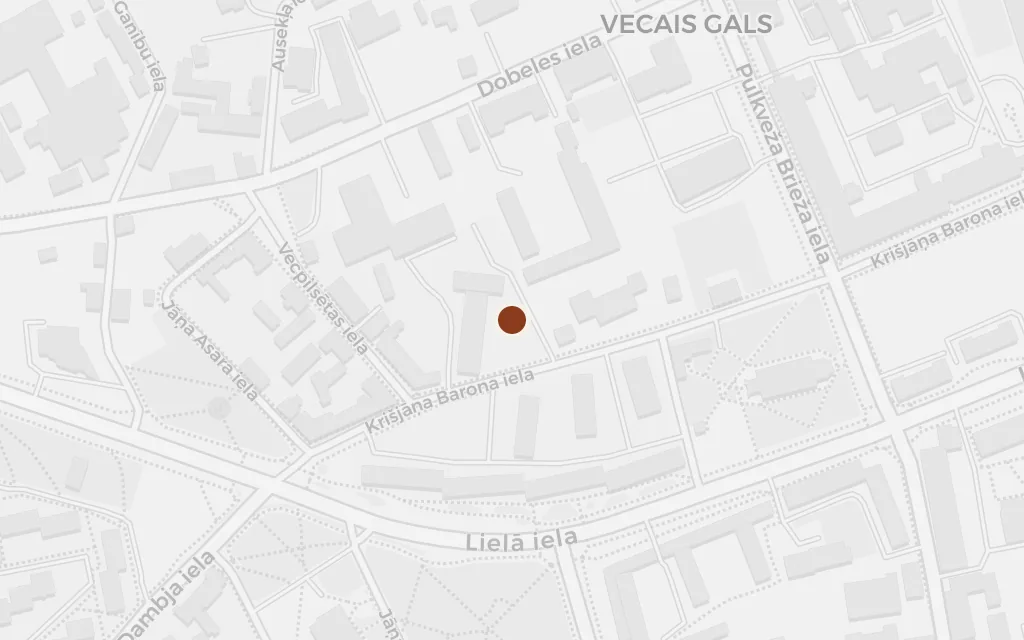
Closing years, toward 1989
inferredThe monument is not the scene of a named episode; it marks the real Riga landmark that stood for lost Latvian independence throughout the Soviet years the book spans, up to 1989.