The Lyme Regis of The French Lieutenant's Woman

Fowles's Lyme Regis is a small Dorset seaside town in 1867, where a gentleman's certainties come apart on a stone breakwater. The map holds the Cobb and the town, runs west into the tangled wilderness of the Undercliff, then follows the story inland to Exeter and up to London.

Author
John Fowles, 1969
Places
5

Open the interactive map →

Chapter 10% in
Charles Smithson

The Cobb, Lyme Regis

Chapter 1
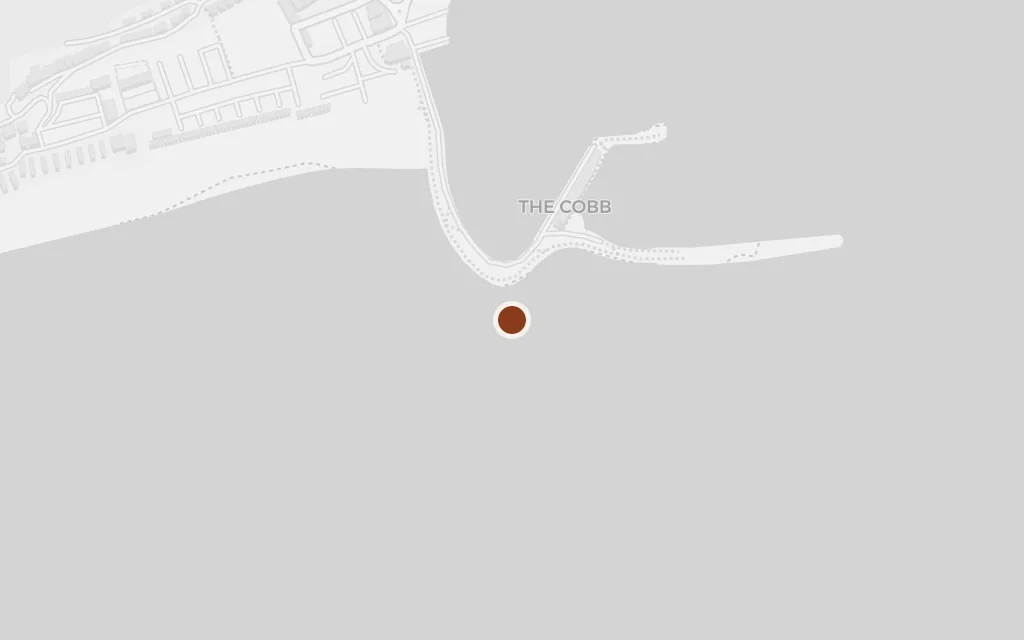
Map of The Cobb, Lyme Regis today
Lyme Regis today

The book opens on the Cobb, the long curving stone arm that reaches out from the town into the bay. Charles and his fiancee are walking it when he first sees a still, dark figure at the seaward end, staring out to sea, and cannot look away. The breakwater is real and still stands, the same weathered stone underfoot.

Chapter 1

explicitFowles names the Cobb outright and opens the novel on it. Sited on the great curved breakwater that shelters the harbour.
Open in Google Maps ↗Street View ↗

Chapter 525% in
Charles Smithson

The town, Broad Street

Chapter 5

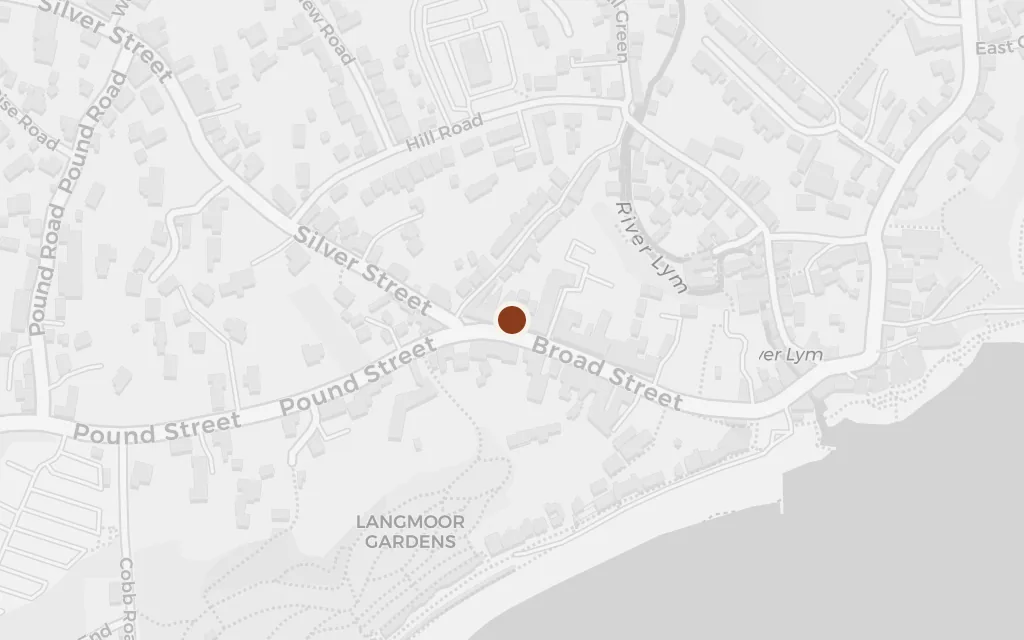
Map of The town, Broad Street today
Lyme Regis today

Away from the shore the story turns on the small proprieties of the town: the drawing room where Charles courts his respectable fiancee, the gossip of a place where everyone is watched. Broad Street climbs from the seafront through the heart of Victorian Lyme, and the town's tight social world sits along it.

Chapter 5

inferredLyme Regis is named throughout, but the aunt's house where the fiancee stays is not given an exact address; sited on Broad Street, the town's steep main thoroughfare running up from the sea.

Open in Google Maps ↗Street View ↗

Chapter 1050% in
Charles Smithson

The Undercliff

Chapter 10

Map of The Undercliff today
Lyme Regis today

West of the town the coast collapses into the Undercliff, a dense, overgrown tangle of landslip, thicket and hidden hollows. Charles goes there hunting fossils and keeps meeting the woman from the Cobb; it becomes the private wilderness where the two of them talk, apart from the town's eyes. The reserve is real and still nearly impassable.

Chapter 10

explicitFowles names the Undercliff, the wild slipped landscape west of the town; sited within the Axmouth to Lyme Regis Undercliffs reserve near its Lyme end.

Open in Google Maps ↗Street View ↗

Chapter 4675% in
Charles Smithson

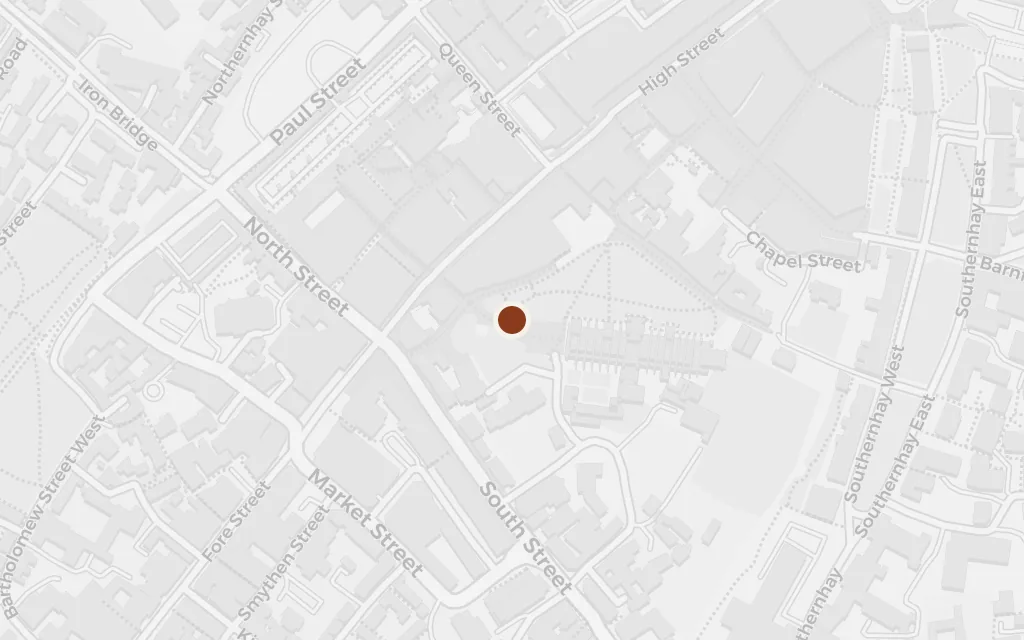
Exeter

Chapter 46

Map of Exeter today
Lyme Regis today

The story leaves the coast for Exeter, the cathedral city inland, where the woman has taken a room in a modest hotel. Charles travels up and the reunion there is the novel's turning point, the moment his safe engagement gives way. The hotel is fictional, but Exeter and its old streets are real, about forty kilometres from Lyme.

Chapter 46

inferredExeter is named, but Endicott's Family Hotel, where the woman lodges, is Fowles's invention; sited in the cathedral quarter of the old city as a representative point.

Open in Google Maps ↗Street View ↗

Chapter 60100% in
Charles Smithson

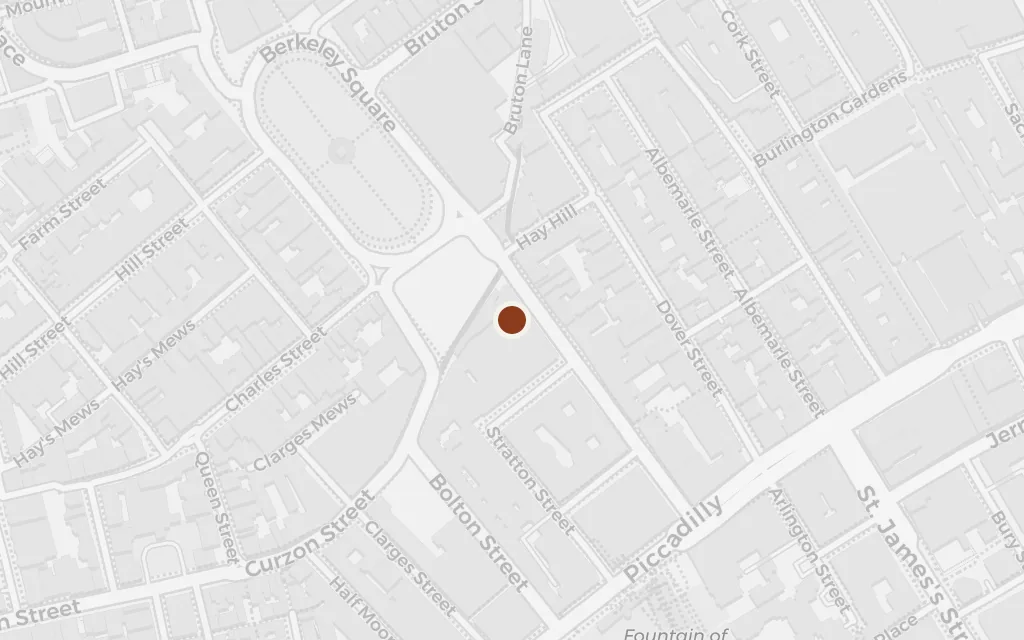
London

Chapter 60

Map of London today
Lyme Regis today

The book ends in London, where Charles's ruined engagement and long search play out among gentlemen's clubs, lawyers' offices and a house by the Thames. Fowles closes the novel here, in the capital where the century's certainties and its doubts sit side by side. The city is real; the exact addresses are left open.

Chapter 60

explicitLondon is named as the setting of the closing chapters; the specific club, lodgings and the Chelsea house are not pinned to fixed addresses, so this marks the West End as a representative point.

Open in Google Maps ↗Street View ↗