The novel is anchored in Manhattan, where a bombing at the Metropolitan Museum kills the narrator's mother and leaves him holding a small stolen Dutch painting. From the museum on Fifth Avenue the map runs down to the Park Avenue apartment that takes him in and to the antiques workshop in Greenwich Village that becomes his real home, before the story travels far out to Las Vegas and then to Amsterdam.
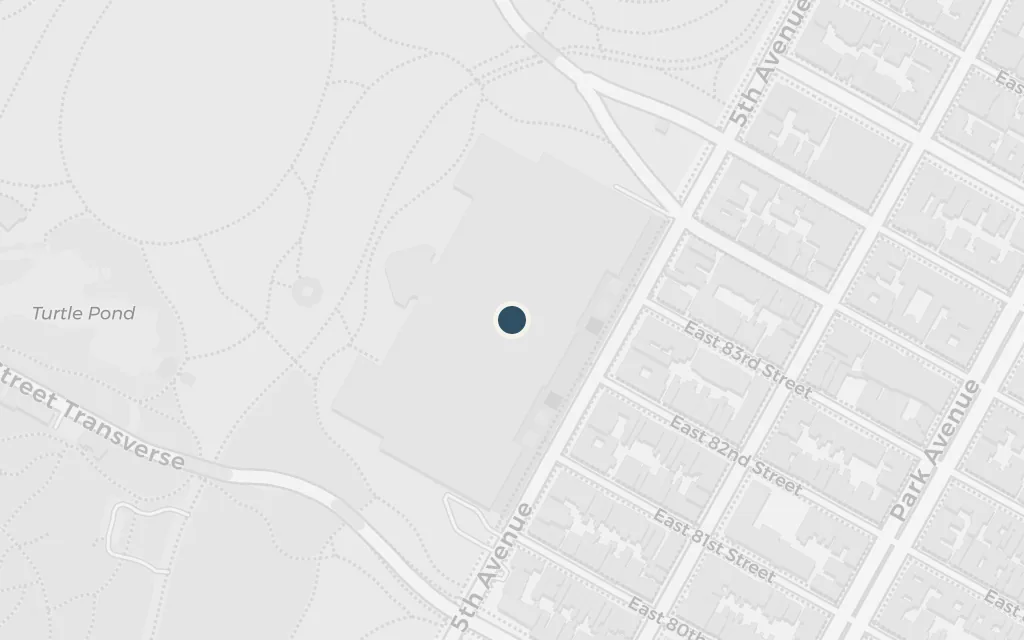
The story turns on a single morning here: the thirteen-year-old narrator and his mother shelter from the rain among the old master paintings, an explosion tears through the galleries and kills her, and in the wreckage the boy carries out a small seventeenth-century Dutch picture of a chained finch. Everything that follows grows from that theft and that loss. The Met is real, on Fifth Avenue at the edge of Central Park.
Part One, chapters 1-2
explicitThe novel names the Metropolitan Museum of Art on Fifth Avenue as the site of the bombing; coordinates mark the real museum.
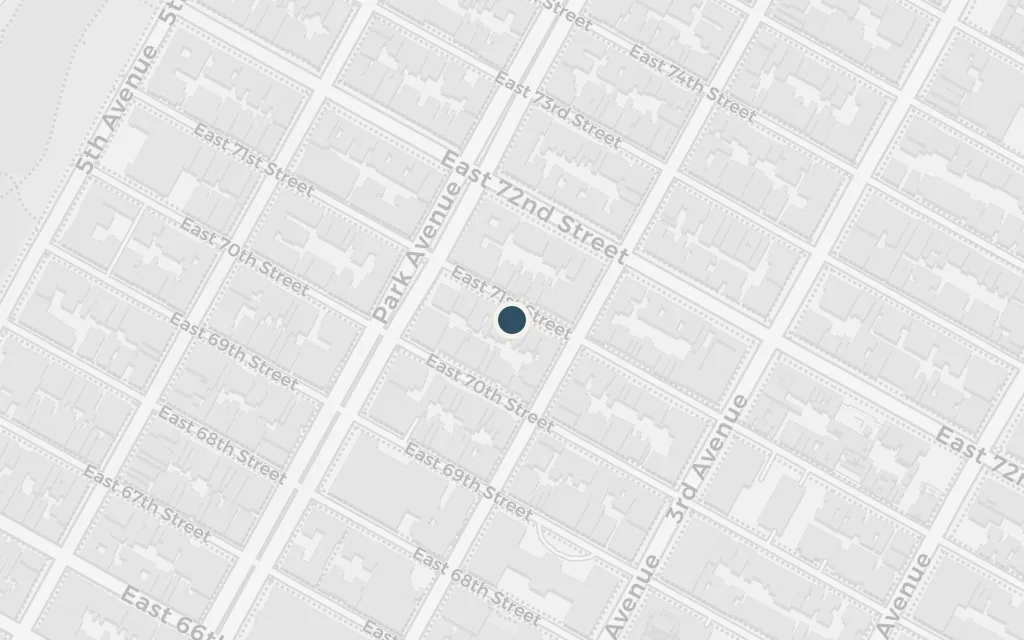
Newly orphaned, the narrator is taken in by the family of a school friend in their formal, well-appointed home on Park Avenue. It is a first refuge among the wealthy of the Upper East Side, cool and orderly, where he is looked after but never quite at ease. Park Avenue is a real Manhattan address; the apartment itself is invented.
Part One, chapters 3-4
explicitThe novel places the Barbours' home on Park Avenue, a real street; the exact building is not given, so this marks a representative point on the Upper East Side stretch of the avenue.
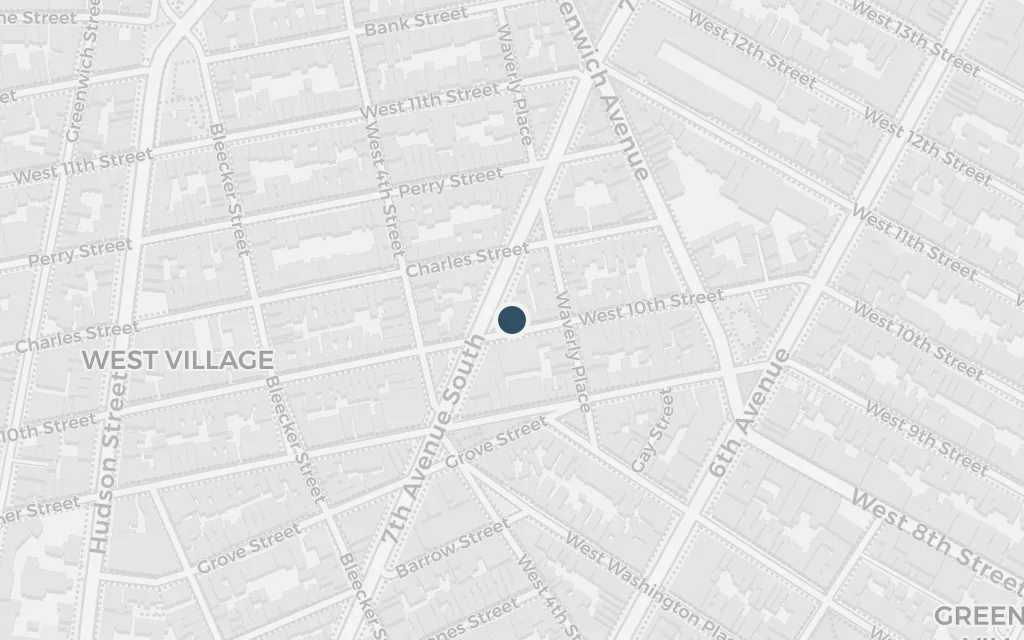
Following a ring left to him by a dying man in the museum, the narrator finds his way to a furniture restorer's basement workshop in Greenwich Village. The smell of beeswax and old wood, and the patient older craftsman who works there, become the closest thing to a home he has. The Village is a real Manhattan neighbourhood; the shop is Tartt's invention.
Part One, chapters 3-5
inferredThe narrator is directed to an antiques restorer's shop in Greenwich Village, a real district, but the shop itself is fictional; sited on a representative Village street.
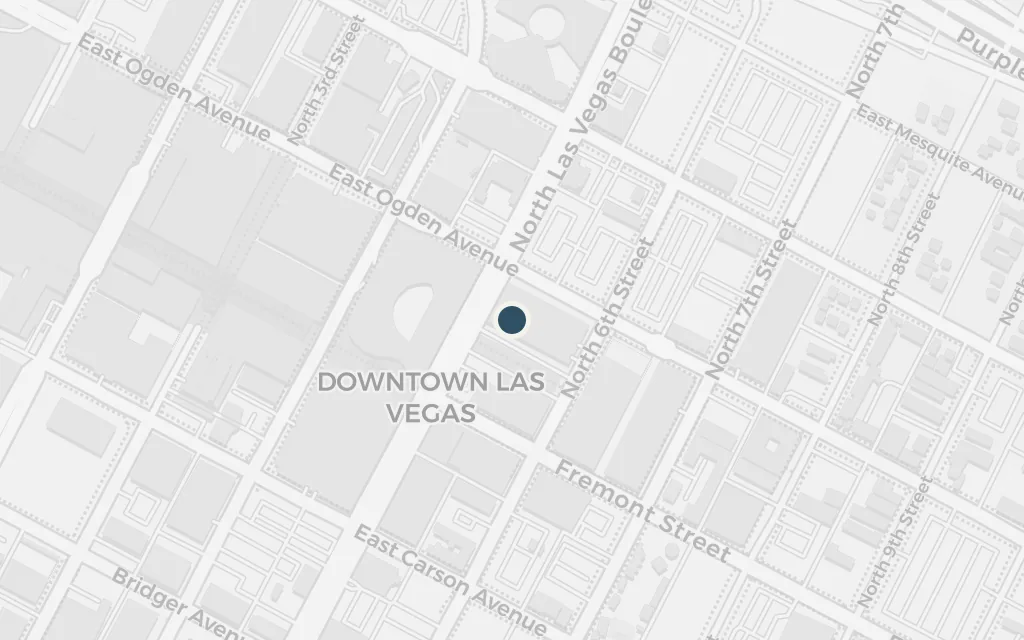
The narrator's absent father reappears and takes him out to Las Vegas, to a raw, half-abandoned housing tract on the desert edge of the city. Left mostly to himself, he falls in with a Ukrainian boy named Boris, and the long, unsupervised days here mark the wildest and loneliest stretch of the book. Las Vegas is real; the specific development is invented.
Part Two
explicitThe novel names Las Vegas; the half-empty foreclosure development where the narrator lives is fictional, so this marks the real city as the anchor for that far setting.
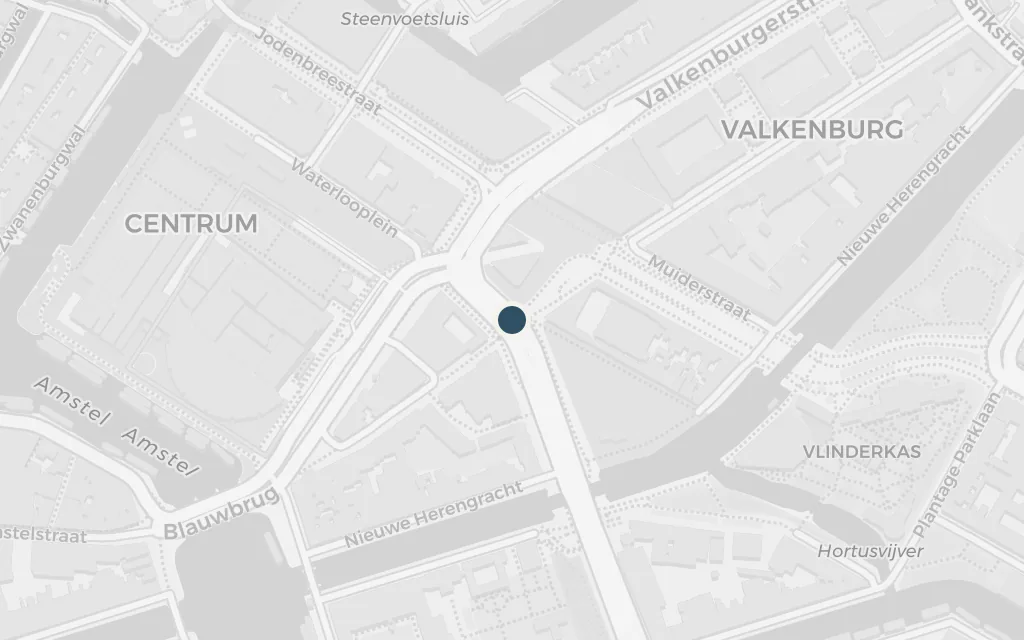
The book ends far from New York, in wintry Amsterdam, where the tangle around the stolen painting comes to a violent head in a hotel near the canals. The choice of city closes a circle back to the Dutch masters of the opening: the small bird the narrator has carried for years belongs to the same tradition. Amsterdam is real; the note draws only on where the scenes are set.
Part Five
explicitThe novel's climax is set explicitly in Amsterdam; coordinates mark the city centre, the far anchor of the closing chapters.