The Paris of The Hunchback of Notre-Dame

In the Paris of 1482, the deformed bellringer Quasimodo, the archdeacon Frollo consumed by his desire for the gypsy dancer Esmeralda, and the cathedral itself are bound together in a tragedy of love, cruelty and sanctuary. Hugo's Paris is a real medieval city rendered in vast detail: Notre-Dame above all, the Place de Grève with its pillory and gibbet, the thieves' Court of Miracles, and the Montfaucon gallows where the story ends.

Author
Victor Hugo, 1831
Places
5

Open the interactive map →Visit Paris on Wikivoyage ↗

The cathedral0% in
Quasimodo

Notre-Dame

The cathedral
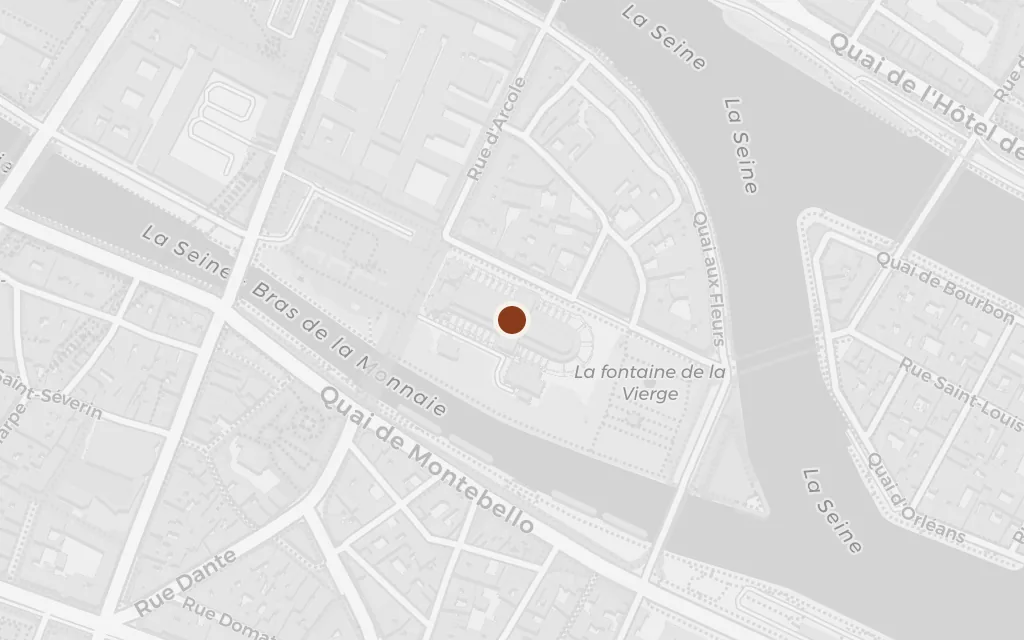
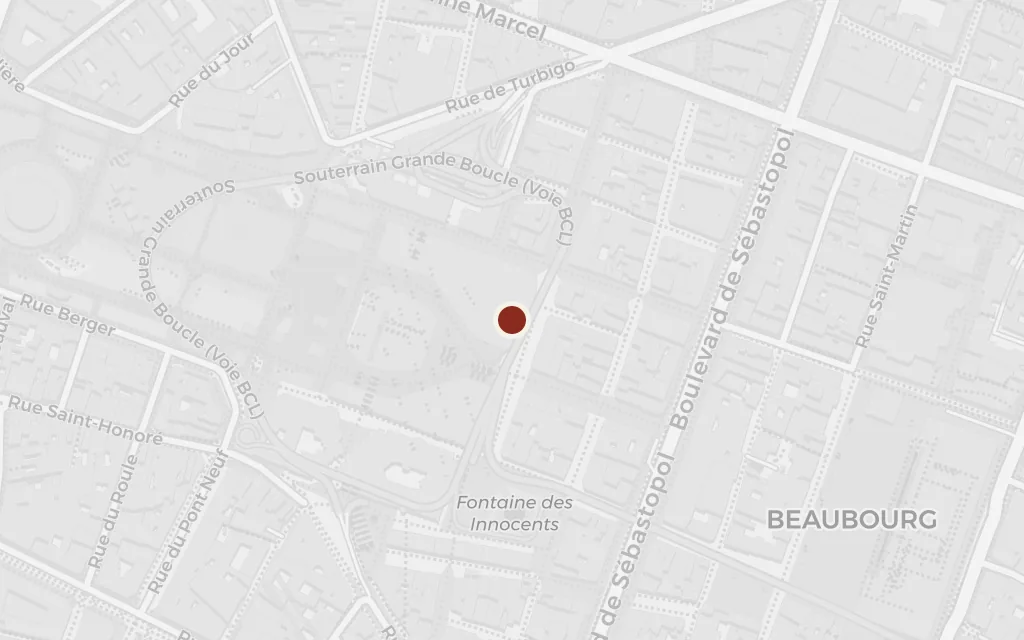
Map of Notre-Dame today
Paris today

High in the towers of Notre-Dame lives Quasimodo, the deaf, deformed foundling raised by the archdeacon Frollo to ring its great bells. Hugo made the cathedral the book's true hero, and wrote it partly to save the crumbling building itself, so that Quasimodo and his stone home are inseparable, each the other's refuge and prison.

Throughout

explicitNotre-Dame de Paris, the real cathedral, is home to the bellringer Quasimodo and the heart of the novel; sited on the Île de la Cité.
Open in Google Maps ↗Street View ↗

The square25% in
Esmeralda

The Place de Grève

The square

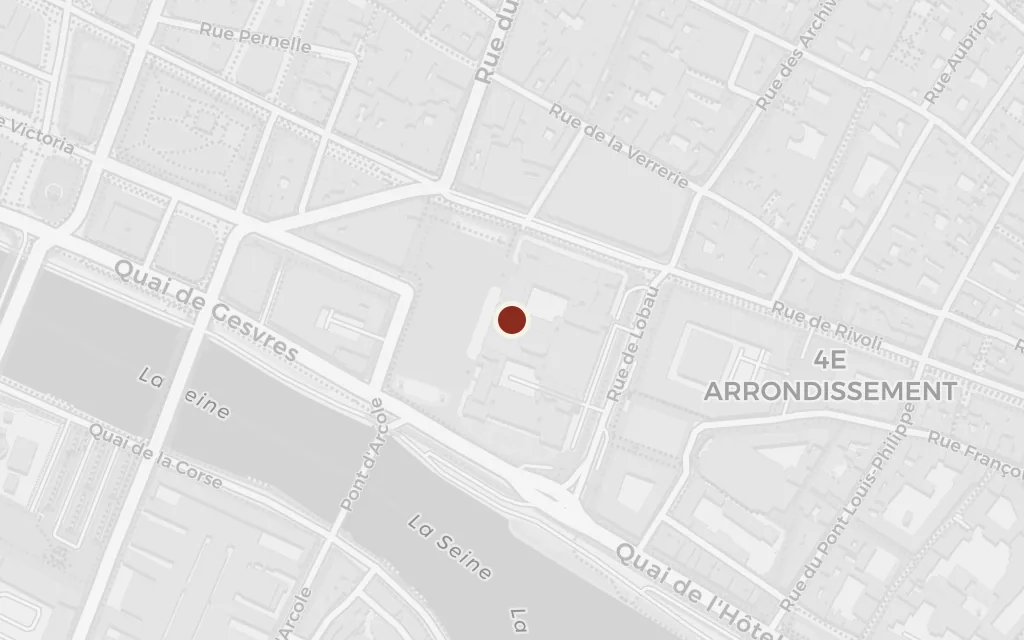
Map of The Place de Grève today
Paris today

In the Place de Grève the gypsy Esmeralda dances with her little goat, and here Quasimodo is pilloried and given water by the girl he will come to love. Hugo makes the square the meeting point of the city's cruelty and its rare mercy, the stage for both public punishment and the one act of kindness that redeems the bellringer.

The square chapters

explicitThe Place de Grève, the real public square of medieval Paris where the pillory and gallows stood, is where Esmeralda dances and Quasimodo is flogged; sited there.

Open in Google Maps ↗Street View ↗

The beggars50% in
Esmeralda

The Court of Miracles

The beggars

Map of The Court of Miracles today
Paris today

In the Court of Miracles, the lawless kingdom of Paris's beggars and thieves where the lame walk and the blind see, the poet Gringoire is nearly hanged and later the vagabonds storm Notre-Dame to save Esmeralda. Hugo brings the medieval underworld to teeming life, a counter-city with its own king and laws beneath the respectable one.

The Court of Miracles chapters

inspired byThe Court of Miracles, the thieves' and beggars' quarter, was a real feature of old Paris; Hugo's version is drawn from it and sited in the medieval city.

Open in Google Maps ↗Street View ↗

The rescue75% in
Frollo

The sanctuary

The rescue

Map of The sanctuary today
Paris today

As Esmeralda is led to the gallows on the parvis, Quasimodo swings down from the towers, carries her inside, and claims for her the cathedral's ancient right of sanctuary, crying the word from the heights. Hugo stages the novel's most famous image here, the monster saving the beauty, holding the mob and the law at bay within the walls of stone.

The sanctuary chapters

explicitThe parvis before Notre-Dame, where Esmeralda is brought to be hanged and Quasimodo snatches her into the cathedral's sanctuary, is sited at the cathedral square.

Open in Google Maps ↗Street View ↗

The ending100% in
Quasimodo

Montfaucon

The ending

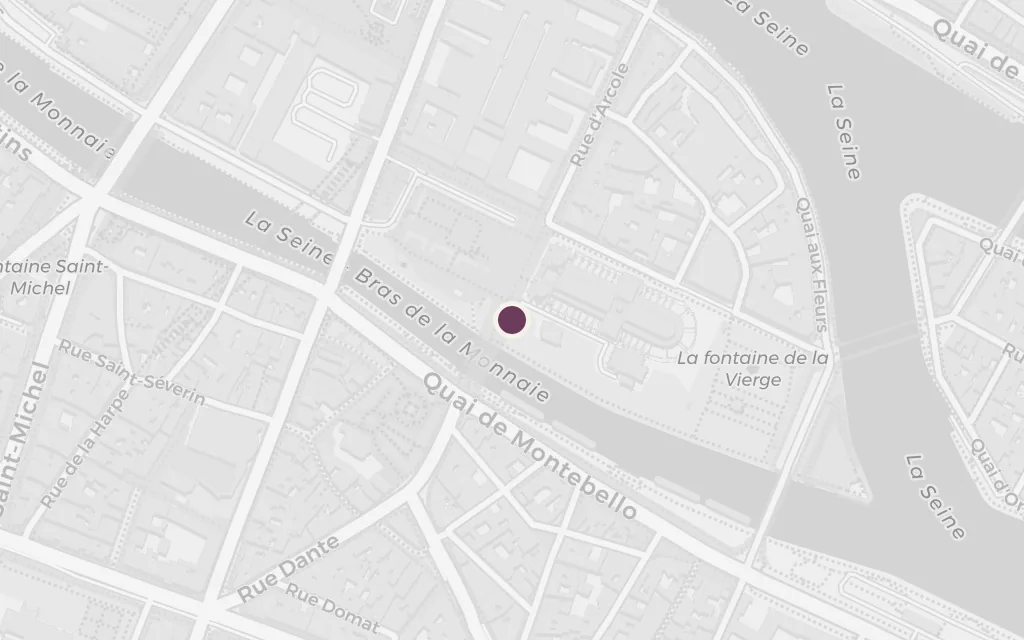
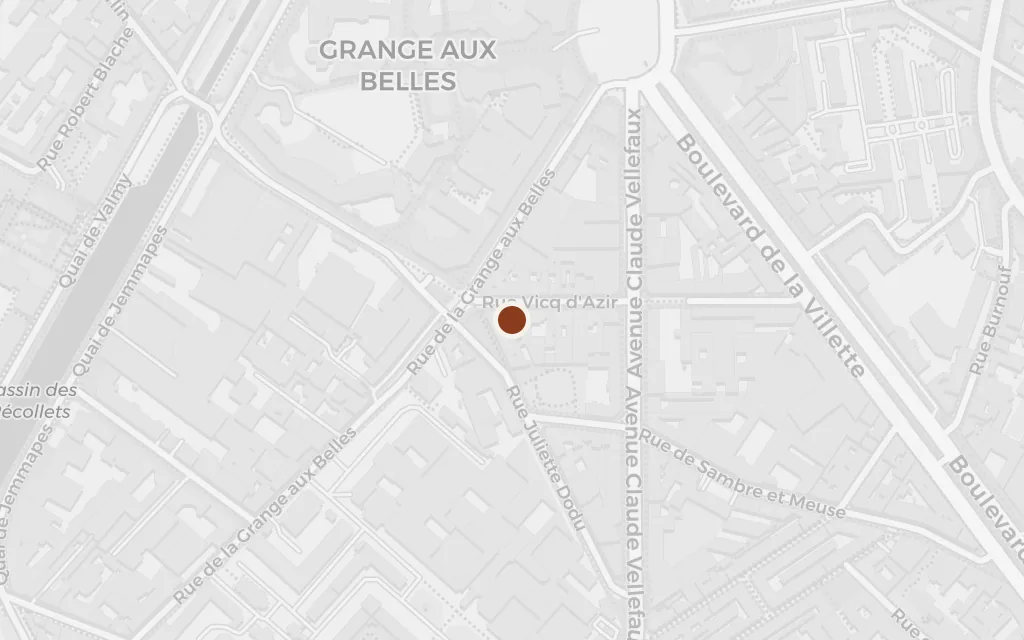
Map of Montfaucon today
Paris today

When Esmeralda is at last hanged and Frollo laughs from the tower, Quasimodo hurls the archdeacon to his death and vanishes, to be found long after at Montfaucon, a skeleton curled around her bones. Hugo closes on this last, unbearable tenderness, the deformed bellringer choosing death in the charnel gallows rather than life without her.

The final chapter

inspired byThe gibbet of Montfaucon, the real great gallows of medieval Paris where the dead were left, is where Quasimodo goes to die beside Esmeralda's body; sited at its historic location.

Open in Google Maps ↗Street View ↗