The Kabul of The Kite Runner

The Kabul of a boy's memory before the wars: the walled gardens and quiet embassy streets of the affluent Wazir Akbar Khan district, a hill where kites fight over the rooftops each winter, and the lake west of the city where families picnic. The same places return years later scarred by Soviet occupation, civil war and Taliban rule, when a stadium becomes a killing ground.

Author
Khaled Hosseini, 2003
Places
6

Open the interactive map →

Chapters 1-30% in
Amir

Baba's house, Wazir Akbar Khan

Chapters 1-3
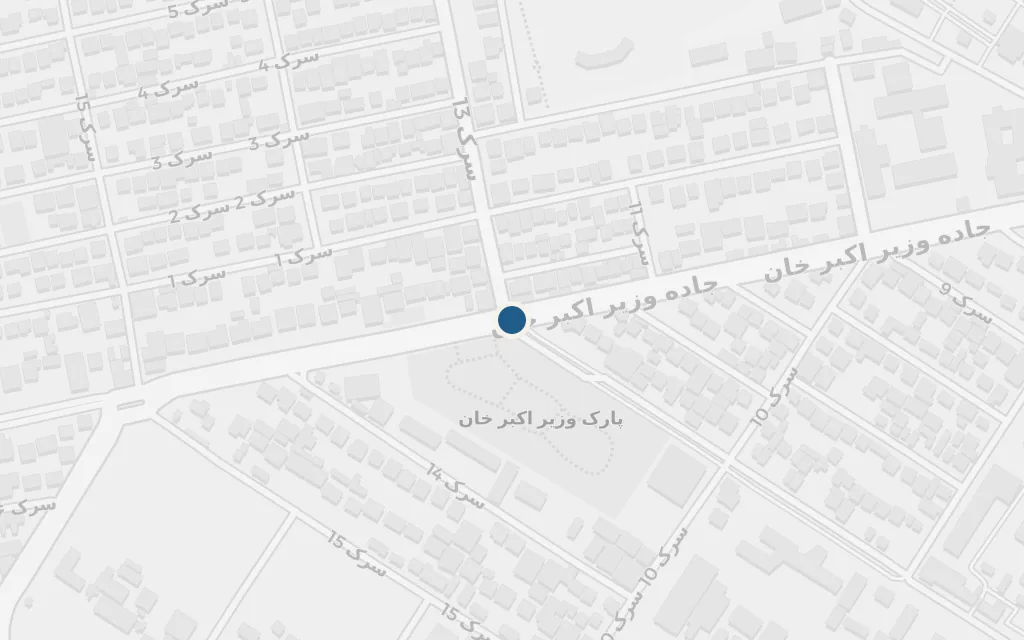
Map of Baba's house, Wazir Akbar Khan today
Kabul today

The story opens in the comfortable childhood home of the narrator, a wealthy merchant's son, in one of Kabul's richest districts. The friendship between the boy and the servant's son who grows up beside him sets the guilt that drives the whole book. Wazir Akbar Khan is a real northern quarter of large villas and, later, foreign embassies.

Chapter 3

inferredThe novel places the family's grand house in the affluent Wazir Akbar Khan district but gives no address; the house itself is invented. Sited at the district centre as a representative point.
Open in Google Maps ↗Street View ↗

Chapter 720% in
Amir

The kite-fighting hill

Chapter 7

Map of The kite-fighting hill today
Kabul today

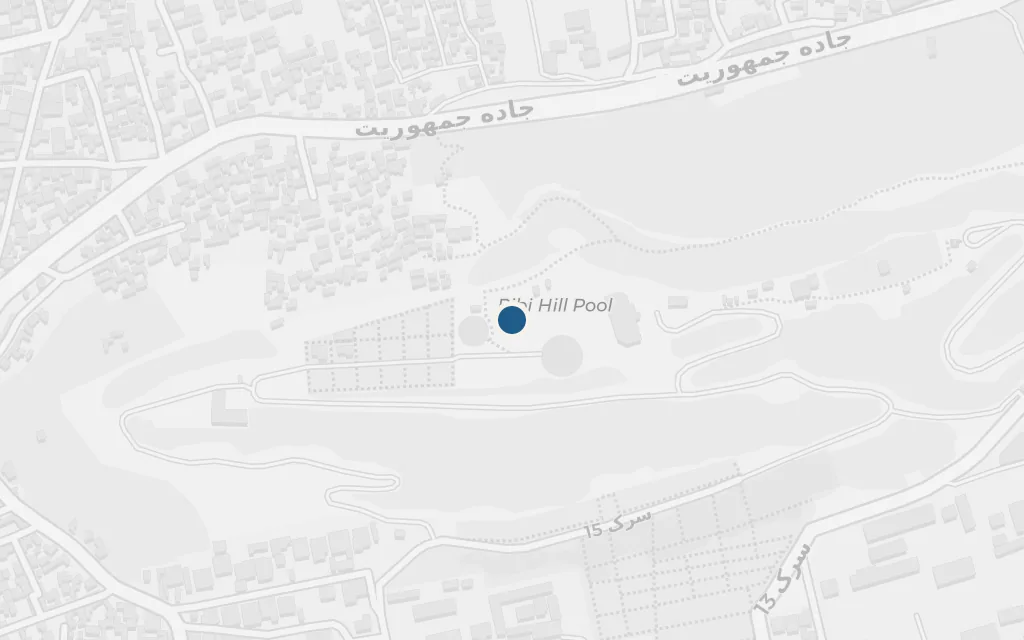
Kabul's great winter sport is kite fighting, glass-coated strings cutting rival kites from the sky, and the boy stakes everything on winning the neighbourhood tournament to earn his father's pride. The victory and what happens to his friend in an alley afterward is the wound at the heart of the novel. The hill above Wazir Akbar Khan looks out over the rooftops where the kites fly.

Chapter 7

inferredThe winter tournament is set in the skies and streets of Wazir Akbar Khan; no single vantage point is named. Sited on the hill that overlooks the district as a representative point.

Open in Google Maps ↗Street View ↗

Chapter 840% in
Amir

Ghargha Lake

Chapter 8

Map of Ghargha Lake today
Kabul today

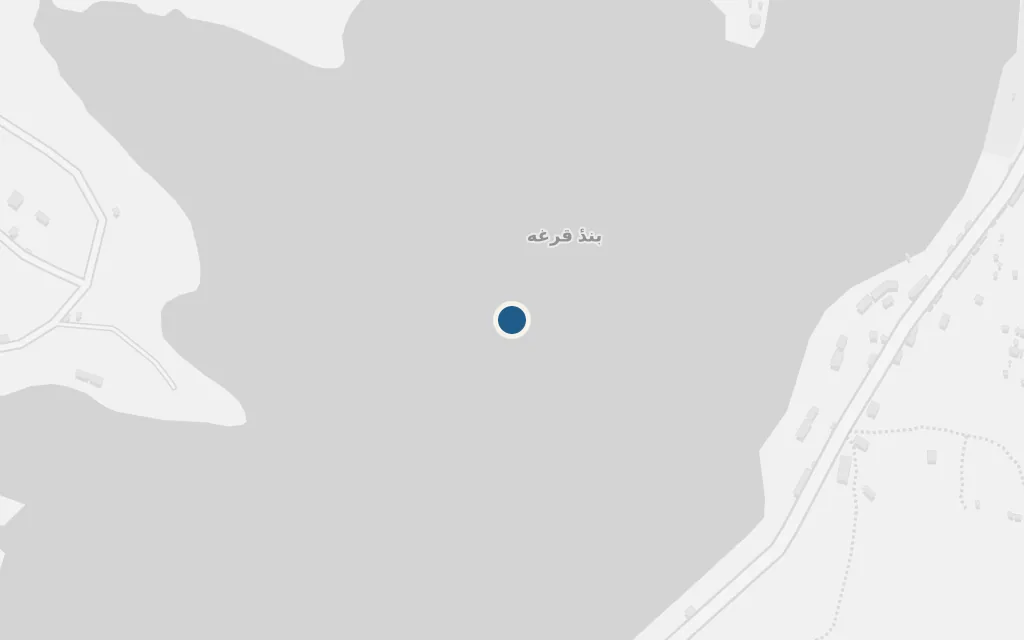
Trying to mend things after the tournament, the father drives the boys out to the lake for a day away from the city. The outing only deepens the narrator's shame at what he saw and did nothing to stop. Qargha, a reservoir dammed in the 1930s a short way west of Kabul, has long been the city's favourite spot for a family picnic.

Chapter 8

explicitThe novel names the lake at Ghargha; this marks the Qargha reservoir west of Kabul, spelled Ghargha in the book.

Open in Google Maps ↗Street View ↗

Chapter 2160% in
Amir

Ghazi Stadium

Chapter 21

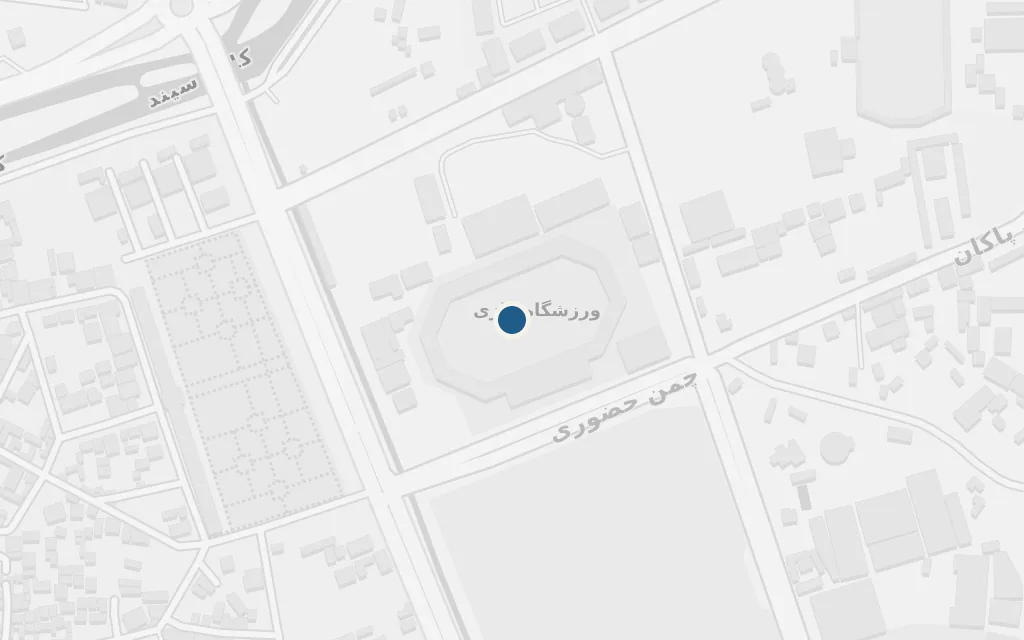
Map of Ghazi Stadium today
Kabul today

Returning to a Kabul ruined by war and ruled by the Taliban, the narrator witnesses a public stoning carried out at half-time on the football pitch. The scene fixes the regime's brutality and the distance between the city he remembers and the one he finds. Ghazi Stadium is real, Afghanistan's national ground, notorious for the executions the Taliban staged there in the 1990s.

Chapter 21

explicitThe novel names Ghazi Stadium as the site of the public execution.

Open in Google Maps ↗Street View ↗

Chapter 1480% in
Amir

Peshawar, Pakistan

Chapter 14

Map of Peshawar, Pakistan today
Kabul today

A phone call draws the narrator from California back across the world to Peshawar, the Pakistani border city crowded with Afghan refugees, where an old family friend asks him to go back into Afghanistan and put right the past. The city is the threshold between his exile and his return. It lies just east of the Khyber Pass, the historic road into Afghanistan.

Chapters 14-15

explicitThe novel names Peshawar as the Pakistani city where the dying friend summons the narrator and where the return to Afghanistan begins.

Open in Google Maps ↗Street View ↗

Chapters 11-13100% in
Amir

Fremont, California

Chapters 11-13

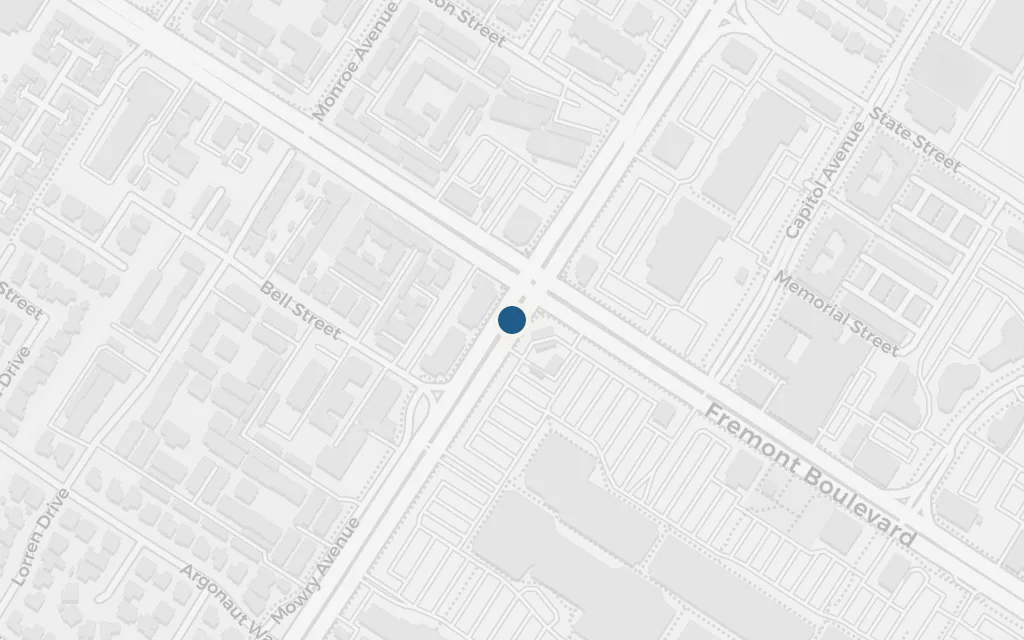
Map of Fremont, California today
Kabul today

Fleeing the Soviet occupation, father and son settle among the Afghan community of the San Francisco Bay Area, the father pumping gas and the pair selling at weekend flea markets. Here the narrator grows up, marries and becomes a writer, while the guilt he carried out of Kabul waits. Fremont, in Alameda County, holds one of the largest Afghan populations in the United States.

Chapters 11-13

explicitThe novel sets the family's American exile in Fremont, in the San Francisco Bay Area, with weekend flea-market trading in nearby San Jose.

Open in Google Maps ↗Street View ↗