The Palermo of The Leopard

Lampedusa maps the end of aristocratic Sicily onto the real island his own family ruled. As Garibaldi lands at Marsala in 1860 and the old order falls, Don Fabrizio, Prince of Salina, moves between his Palermo palace and the family's dusty inland estate of Donnafugata, drawn from the Tomasi towns of Palma di Montechiaro and Santa Margherita di Belice. The map is western Sicily, from the capital to the sun-struck interior.

Author
Giuseppe Tomasi di Lampedusa, 1958
Places
6

Open the interactive map →

Palermo, 18600% in
Don Fabrizio

The Salina palace, Palermo

Palermo, 1860
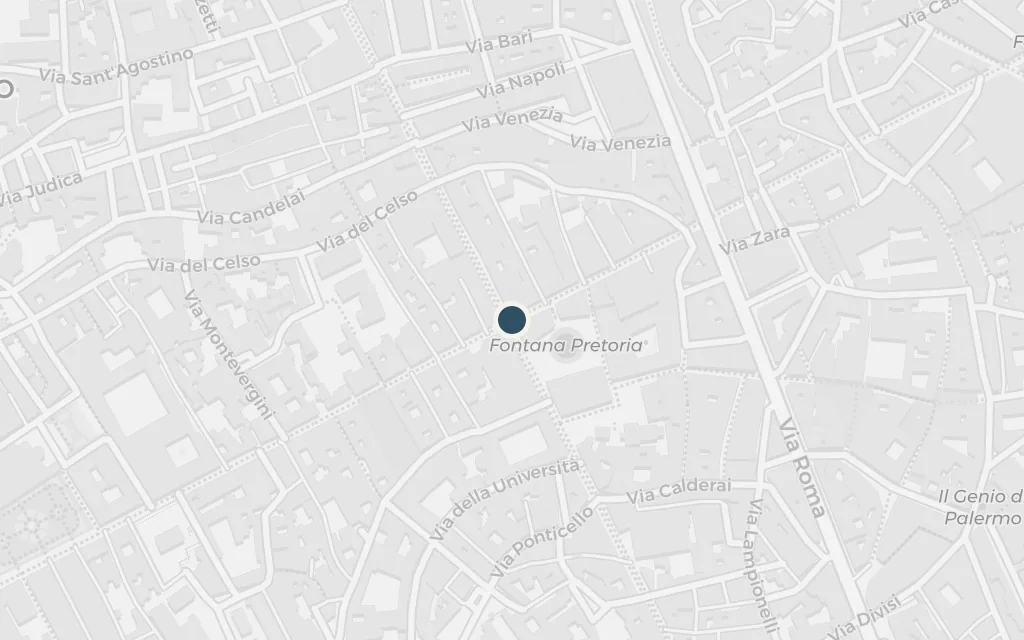
Map of The Salina palace, Palermo today
Palermo today

The book opens in the prince's Palermo palace, at evening prayers, as news comes that Garibaldi has landed. Don Fabrizio, a huge, clever, melancholy aristocrat, feels the ground shifting under his class. The palace is the seat of a power that is about to become ornamental.

Part One

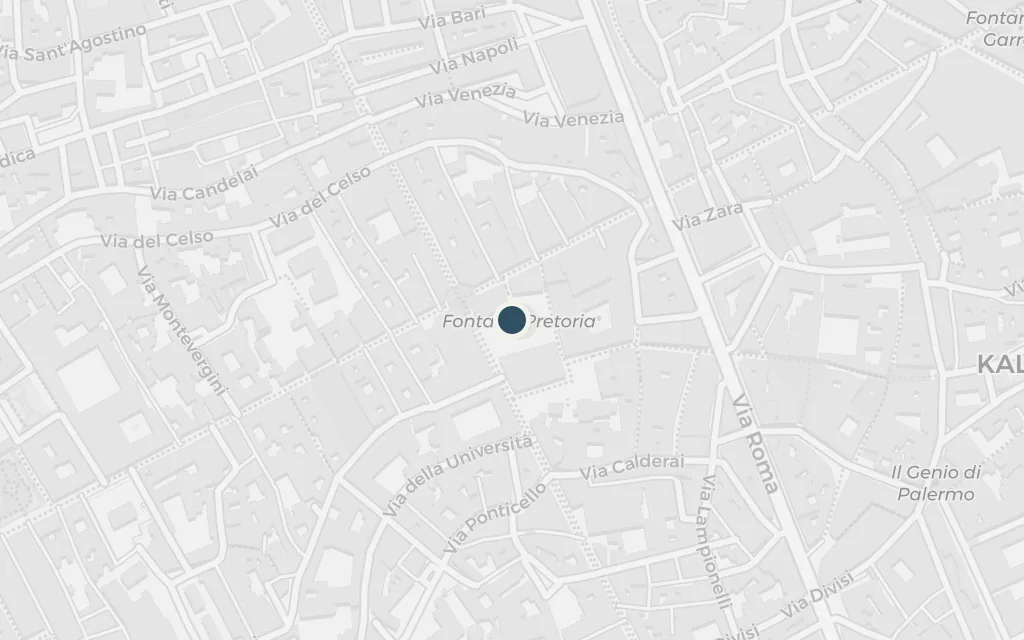
inspired byThe prince's Palermo palace is drawn from the author's own family seat, the Palazzo Lampedusa in the old centre of Palermo (largely destroyed by wartime bombing). The pin marks a representative point in that historic quarter.
Open in Google Maps ↗Street View ↗

Don Fabrizio

The city of Palermo

Palermo, 1860

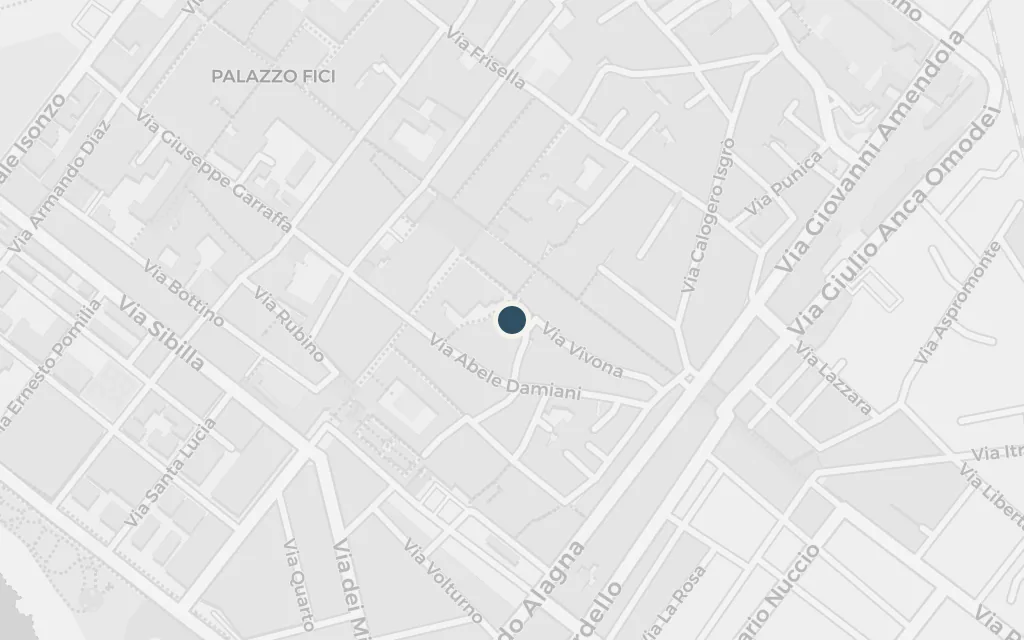
Map of The city of Palermo today
Palermo today

Palermo, the Sicilian capital, is the stage for the old aristocracy's public life and for the plebiscite that ratifies the new Italian kingdom. Its churches, gardens and dust run through the book, and the prince dies here decades later in a hotel room by the sea. The city outlasts the world it belonged to.

Parts One and Seven

explicitNamed in the book.

Open in Google Maps ↗Street View ↗

The Thousand40% in
Don Fabrizio

Garibaldi's landing at Marsala

The Thousand

Map of Garibaldi's landing at Marsala today
Palermo today

At Marsala, on Sicily's western tip, Garibaldi and his Thousand come ashore in May 1860, the event whose shock waves fill the whole novel. The real port town is where the unification of Italy begins its Sicilian chapter. From here the red shirts sweep toward Palermo and the prince's certainties.

Part One

explicitNamed in the book.

Open in Google Maps ↗Street View ↗

The interior60% in
Don Fabrizio

Donnafugata, the summer estate

The interior

Map of Donnafugata, the summer estate today
Palermo today

The family decamps each summer to Donnafugata, the estate deep in the parched interior, where the prince is still greeted like a feudal lord and where his nephew Tancredi courts the mayor's beautiful daughter Angelica. It is the old rural Sicily, timeless and poor, that the new nation will absorb but never really change. The name means the flight of the women.

Parts Two to Four

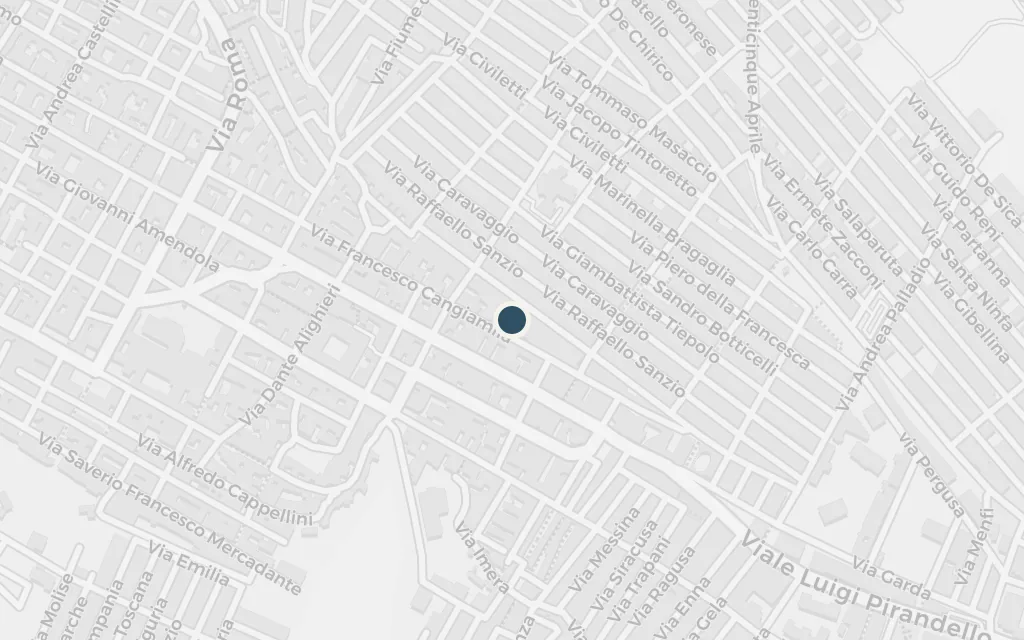
inspired byDonnafugata is fictional; Lampedusa built it from the Tomasi family's real towns in the Sicilian interior, above all Palma di Montechiaro, which the pin marks.

Open in Google Maps ↗Street View ↗

Don Fabrizio

The Donnafugata palace, Santa Margherita di Belice

The interior

Map of The Donnafugata palace, Santa Margherita di Belice today
Palermo today

The vast, half-shuttered country palace at Donnafugata, with its faded frescoes and endless rooms, is the heart of the family's provincial summers and of the prince's slow reckoning with his own obsolescence. It comes from the real palace at Santa Margherita di Belice that Lampedusa knew as a boy. The house is the aristocracy made stone: magnificent, and already a museum.

Parts Two to Four

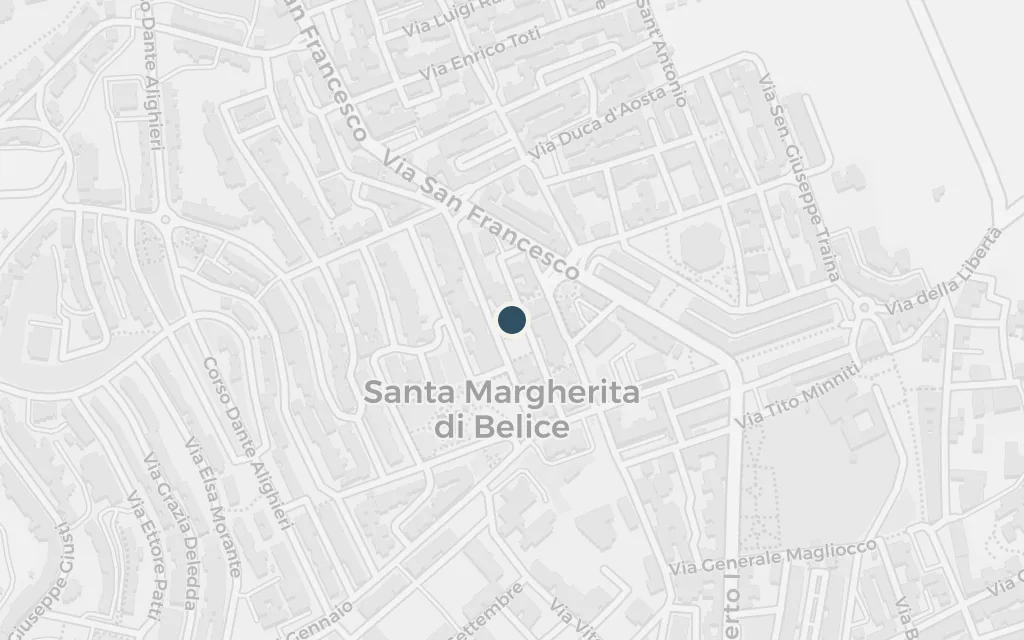
inspired byThe great country palace of Donnafugata is drawn from the real Filangeri di Cutò palace at Santa Margherita di Belice, where the author spent childhood summers (damaged in the 1968 Belice earthquake). The pin marks the town.

Open in Google Maps ↗Street View ↗

Palermo, 1862100% in
Don Fabrizio

The grand ball, Palermo

Palermo, 1862

Map of The grand ball, Palermo today
Palermo today

Late in the book the aristocracy gathers for a lavish night-long ball in a Palermo palazzo, and the ageing prince, moving among the mirrors and candlelight, feels his class and his own life drawing to a close. The set-piece is tied to Palazzo Valguarnera-Gangi, whose ballroom Visconti later filmed for the celebrated dance sequence.

Part Six

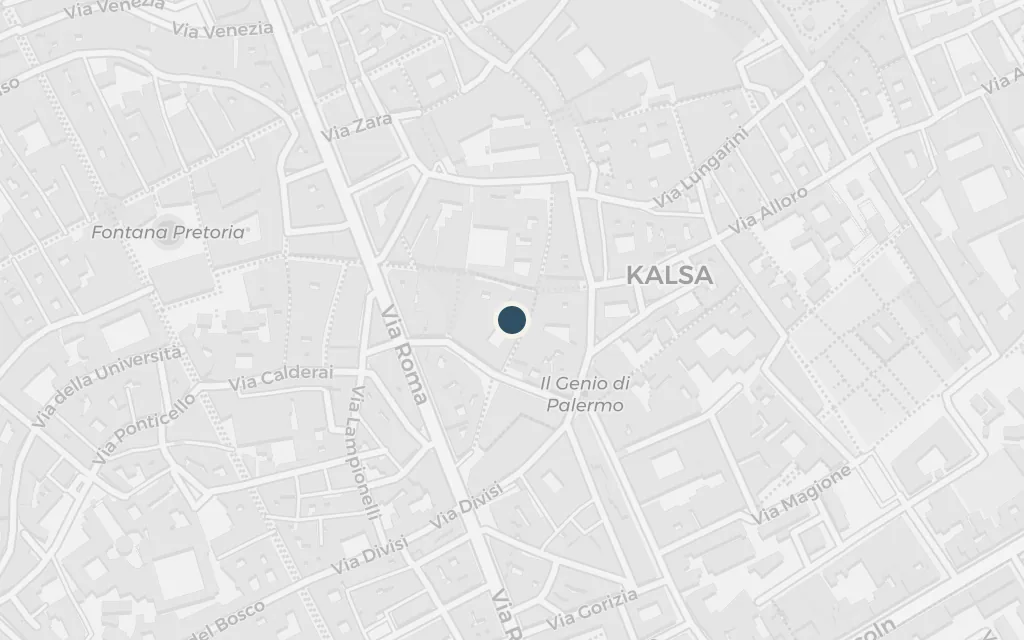
inferredThe novel sets its great ball in a Palermo palazzo without naming a real one. The pin marks Palazzo Valguarnera-Gangi, the palace long identified with the scene and used for it in Visconti's 1963 film.

Open in Google Maps ↗Street View ↗