The Tunis of The Pillar of Salt

Alexandre Mordekhai Benillouche, a poor Jewish boy from the old quarter of colonial Tunis, comes of age torn three ways between his Berber-Jewish origins, the Arab-Muslim city around him and the French education that promises escape and delivers exile. Memmi maps the real Tunis: the cramped Jewish hara, the Arab medina and its souks, the European lycée of the Ville Nouvelle, the synagogue, and the shadow of the Second World War, when the German occupation drives Tunisia's Jews into forced-labour camps.

Author
Albert Memmi, 1953
Places
5

Open the interactive map →

Childhood0% in
The father

The Jewish quarter (the hara)

Childhood
Map of The Jewish quarter (the hara) today
Tunis today

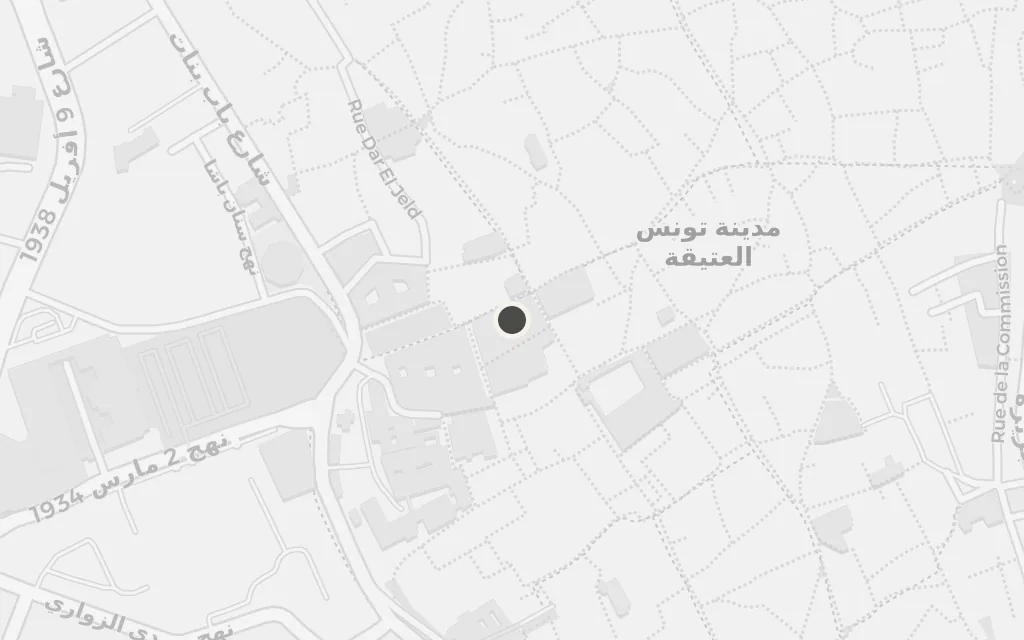
In the narrow, crowded hara, Alexandre is born into a poor family, his father a harness-maker bent over his leather in a dim shop. Memmi sets the boy's first world in the real Jewish quarter of Tunis, its poverty and its warmth the ground he will spend the rest of the book learning to leave and grieving.

The childhood chapters

explicitAlexandre grows up in the hara, the real poor Jewish quarter on the edge of the Tunis medina, among the artisans and the crowding the book describes; sited in that quarter.
Open in Google Maps ↗Street View ↗

The city25% in
The mother

The medina (the Arab city)

The city

Map of The medina (the Arab city) today
Tunis today

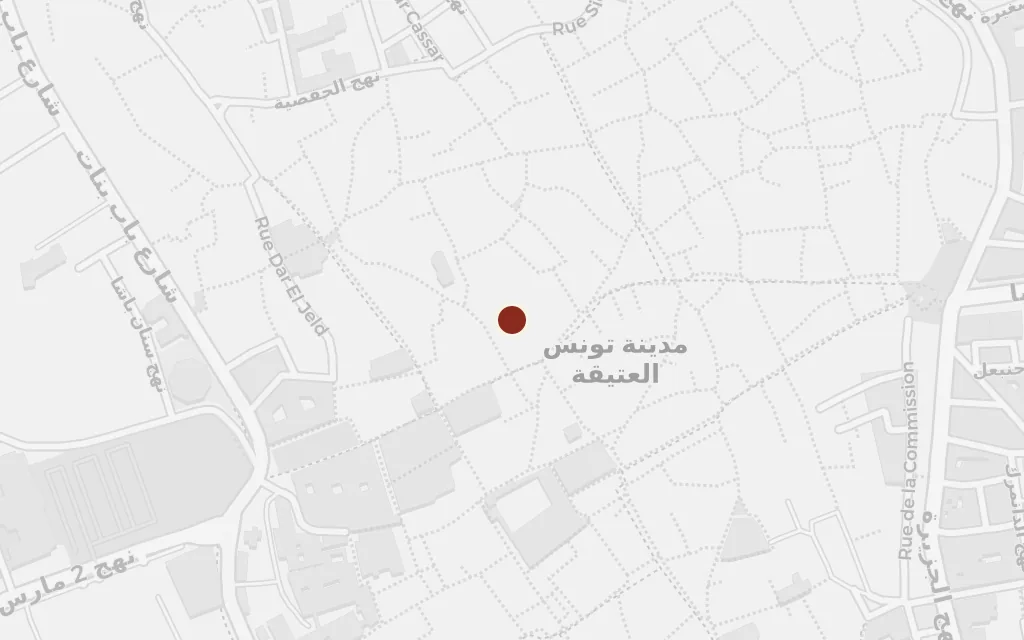
Beyond the hara lies the Arab medina, its souks, mosques and crowds the Muslim world in which the Jewish minority lives, close and separate at once. Through his Berber-Jewish mother and the streets he walks, Alexandre feels his roots in this old East even as his schooling teaches him to see it as something to rise above.

The medina chapters

explicitThe Arab medina of Tunis, its souks and mixed streets, is the real old city surrounding the hara and threading through Alexandre's daily life; sited in the medina.

Open in Google Maps ↗Street View ↗

The schooling50% in
The teacher

The French lycée

The schooling

Map of The French lycée today
Tunis today

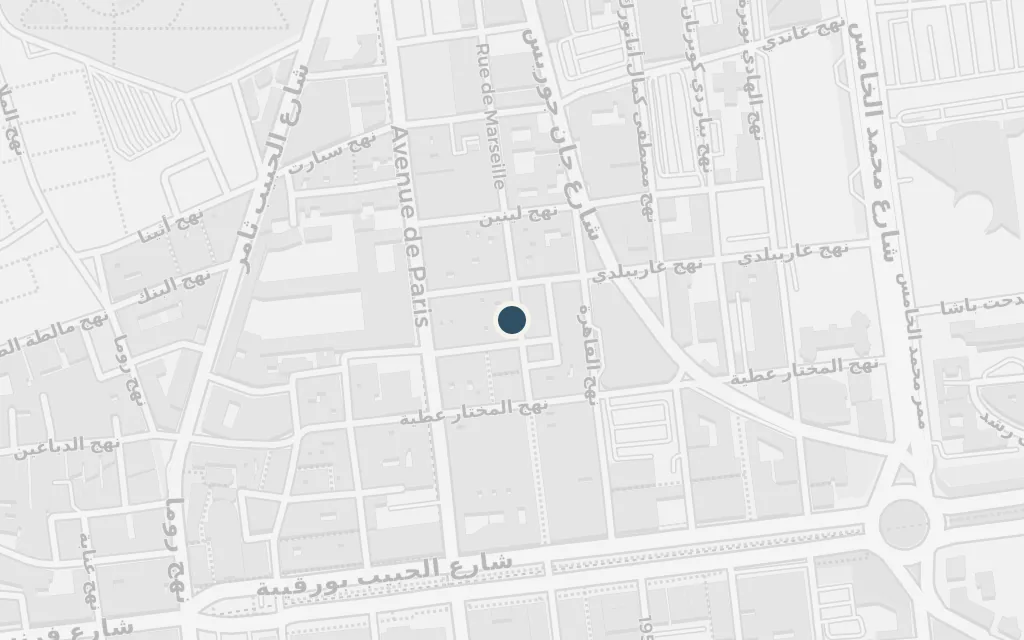
A scholarship carries Alexandre out of the hara and into the French lycée of the Ville Nouvelle, where a fine education in the coloniser's culture opens the world and quietly severs him from his own. The gap the school opens, between the boy the books make and the family he comes from, is the wound the whole novel turns on.

The lycée chapters

explicitAlexandre wins a scholarship to the French lycée of the European Ville Nouvelle, the colonial secondary school on the new-town avenues; sited in that district of Tunis.

Open in Google Maps ↗Street View ↗

The community75% in
Alexandre

The synagogue

The community

Map of The synagogue today
Tunis today

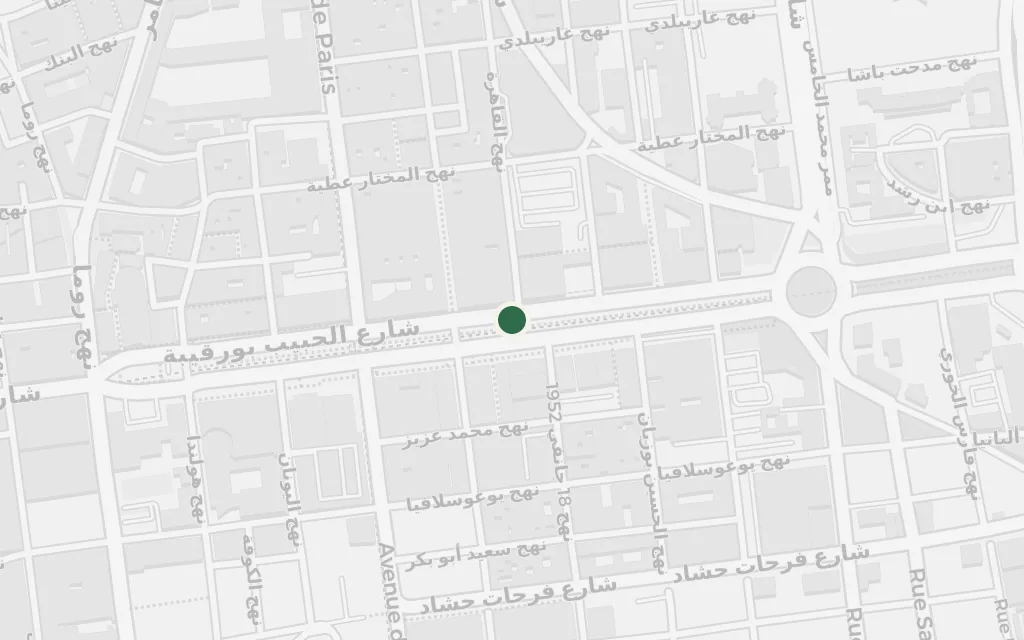
In the synagogue and the round of feasts and rites, Alexandre feels both the pull of belonging and the pull away, his French education turning the old observances into something he can no longer wholly share. Memmi weighs faith and community against the sceptical modern self the boy is becoming, and finds no resting place between them.

The community chapters

inferredThe Jewish community's synagogue and rites frame Alexandre's belonging and his growing distance from faith; sited at the Ville Nouvelle's Grande Synagogue area, drawn from the real community.

Open in Google Maps ↗Street View ↗

1942100% in
Alexandre

The war (the labour camp)

1942

Map of The war (the labour camp) today
Tunis today

When the Germans occupy Tunisia in the war, Alexandre, for all his French culture, is rounded up with the other Jews into a forced-labour camp, the abstractions of identity brought home as brute fact. The war strips away the illusion that education had bought him a way out, and leaves him a stranger to every world, frozen like the pillar of salt of the title.

The war chapters

inferredDuring the German occupation of Tunisia in 1942-43, Alexandre is sent to a Jewish forced-labour camp; sited in the countryside north of Tunis, drawn from the real wartime camps, outside the city setting.

Open in Google Maps ↗Street View ↗