The Pannonian Croatia of The Return of Philip Latinowicz

After twenty-three years away, the painter Philip Latinowicz returns to the provincial Pannonian town of his childhood in Croatia to confront his illegitimate birth, his estranged mother and his own creative and spiritual crisis. Krleža draws the town and its region from provincial Croatia: the small Catholic town with its square and church, his mother's house and tobacco shop, the flat muddy Pannonian plain, and the decadent manor world into which the fatal Bobočka draws him.

Author
Miroslav Krleža, 1932
Places
5

Open the interactive map →

The return0% in
Philip Latinowicz

The provincial town

The return
Map of The provincial town today
Pannonian Croatia today

Stepping off the train after twenty-three years, the painter Philip Latinowicz walks back into the drowsy provincial town that made him, its dust, its smells and its faces flooding him with the past he fled. The return, and the town's stubborn sameness, sets off the long interior reckoning with origins and identity that is the whole book.

The opening

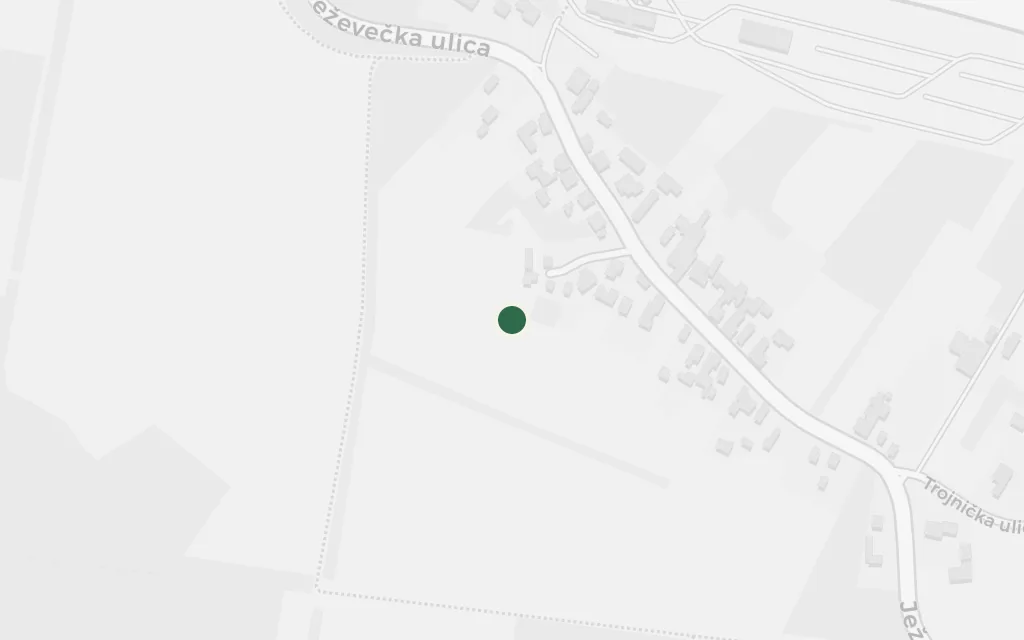
inspired byPhilip returns to the small Pannonian town of his childhood, drawn from provincial Croatia; the town is invented and sited in the real Pannonian countryside of northern Croatia.
Open in Google Maps ↗Street View ↗

The mother25% in
Kazimira

The mother's house

The mother

Map of The mother's house today
Pannonian Croatia today

At his mother Kazimira's house, the wound at the centre of Philip's life reopens: his illegitimate birth, the identity of the father she will not name, the shame and coldness that shaped him. Their strained reunion, all silence and old grievance, is the psychological core of the book, the past refusing to be either healed or escaped.

The mother chapters

inferredPhilip's mother Kazimira keeps a house and tobacco shop in the town; the house is invented and sited in the real provincial town of the novel.

Open in Google Maps ↗Street View ↗

The town50% in
Kyriales

The town square and church

The town

Map of The town square and church today
Pannonian Croatia today

In the cafés and around the square, Philip falls in with the corrosive nihilist Kyriales, whose merciless talk deepens the painter's crisis of faith in art and life. The stagnant provincial town, its church and its idlers, is the backdrop against which Krleža stages a modern European crisis of meaning.

The town chapters

inferredThe Catholic church and square anchor the small-town society of priests, notaries and café intellectuals; sited in the real provincial Croatian town, the specific buildings the novel's own.

Open in Google Maps ↗Street View ↗

The landscape75% in
Philip Latinowicz

The Pannonian plain

The landscape

Map of The Pannonian plain today
Pannonian Croatia today

The endless flat plain, its mud and mist and heavy skies, presses on Philip as both subject and symptom, the landscape of his depression and his painter's eye. Krleža makes the Pannonian mud a character in itself, the physical weight of a provincial, backward world Philip cannot paint his way out of.

The landscape chapters

explicitThe flat, muddy Pannonian plain around the town, a real landscape of northern Croatia, saturates the novel with its heavy, oppressive atmosphere.

Open in Google Maps ↗Street View ↗

The passion100% in
Bobočka

The manor (Bobočka)

The passion

Map of The manor (Bobočka) today
Pannonian Croatia today

Philip is drawn into a destructive passion for the sensual, doomed Bobočka, whose decadent circle of provincial gentry ends in violence and death. The affair, and the manor world's rot, bring the painter's crisis to its bleak climax, Krleža closing on a Europe of the 1930s sliding toward catastrophe.

The passion chapters

inferredThe decadent gentry world Philip is drawn into, centred on the fatal Bobočka, plays out at a manor near the town; the manor is invented and sited in the real Pannonian countryside.

Open in Google Maps ↗Street View ↗