The Barcelona of The Time of the Doves

Natàlia, a working-class woman known as Colometa, tells the story of her life in the Gràcia district of Barcelona, her marriage to the domineering Quimet and his obsession with doves, and the Spanish Civil War that shatters her small world. Rodoreda maps the real neighbourhood: the Plaça del Diamant where Natàlia meets Quimet at a dance, the Gràcia streets and the flat overrun by his doves, the district under the bombs and hunger of the war, and the square she returns to at the end.

Author
Mercè Rodoreda, 1962
Places
5

Open the interactive map →Visit Barcelona on Wikivoyage ↗

Chapter 10% in
Natàlia (Colometa)

Plaça del Diamant

Chapter 1
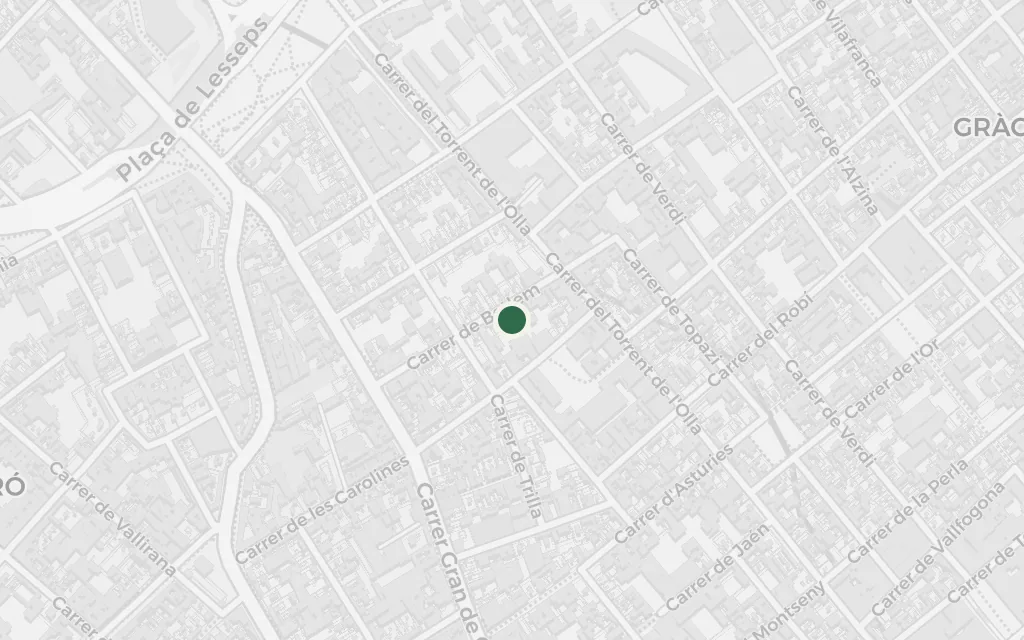
Map of Plaça del Diamant today
Barcelona today

At a festa dance in the Plaça del Diamant, the young Natàlia is claimed by the forceful Quimet, who renames her Colometa, little dove, and sweeps her into a marriage that will remake and unmake her. The square, giving the book its original Catalan title, is where her whole fated story begins.

Chapter 1

explicitThe novel opens at a dance in the Plaça del Diamant, the real square in the Gràcia district of Barcelona, where Natàlia meets Quimet; the square now holds a statue of Colometa.
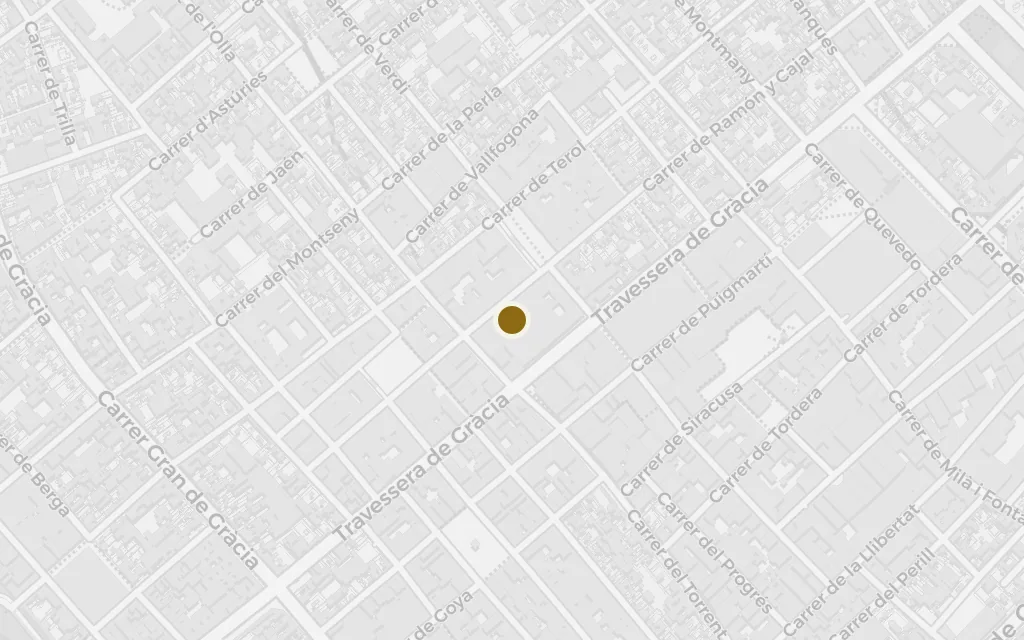
Open in Google Maps ↗Street View ↗

The marriage25% in
Quimet

The Gràcia flat (the doves)

The marriage

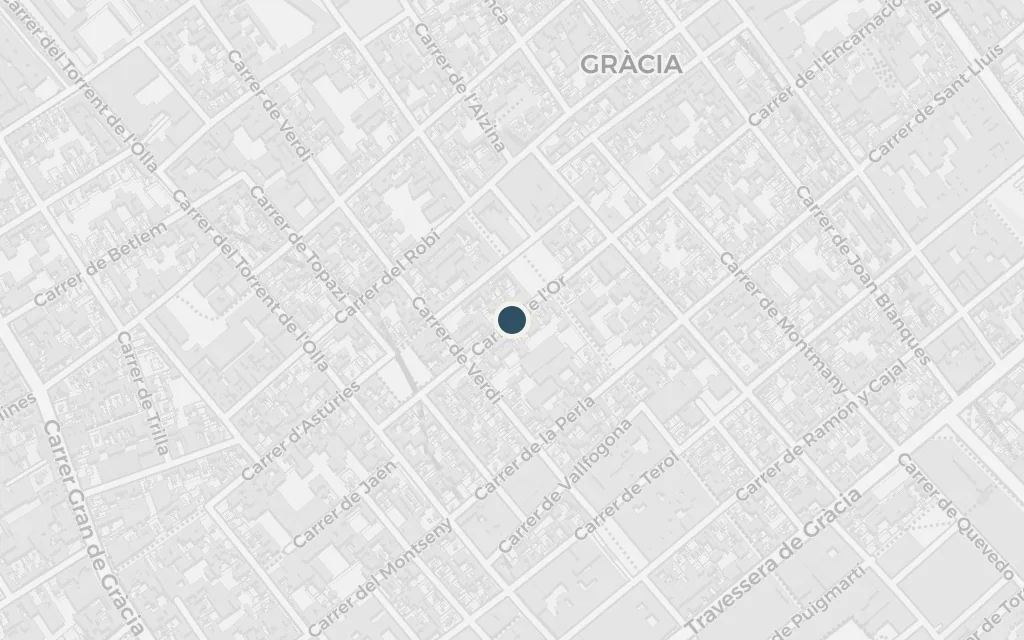
Map of The Gràcia flat (the doves) today
Barcelona today

In the cramped Gràcia flat, Quimet's obsession with breeding doves takes over the home and Natàlia's life, the birds multiplying through every room until she can hardly move. The doves, tender and suffocating at once, become the image of her whole entrapment in a marriage and a role she never chose.

The marriage chapters

inferredNatàlia and Quimet's flat is in the working-class Gràcia district; the flat is invented and sited in that real Barcelona neighbourhood, where Quimet fills it with doves.

Open in Google Maps ↗Street View ↗

The war50% in
Mateu

Gràcia in the Civil War

The war

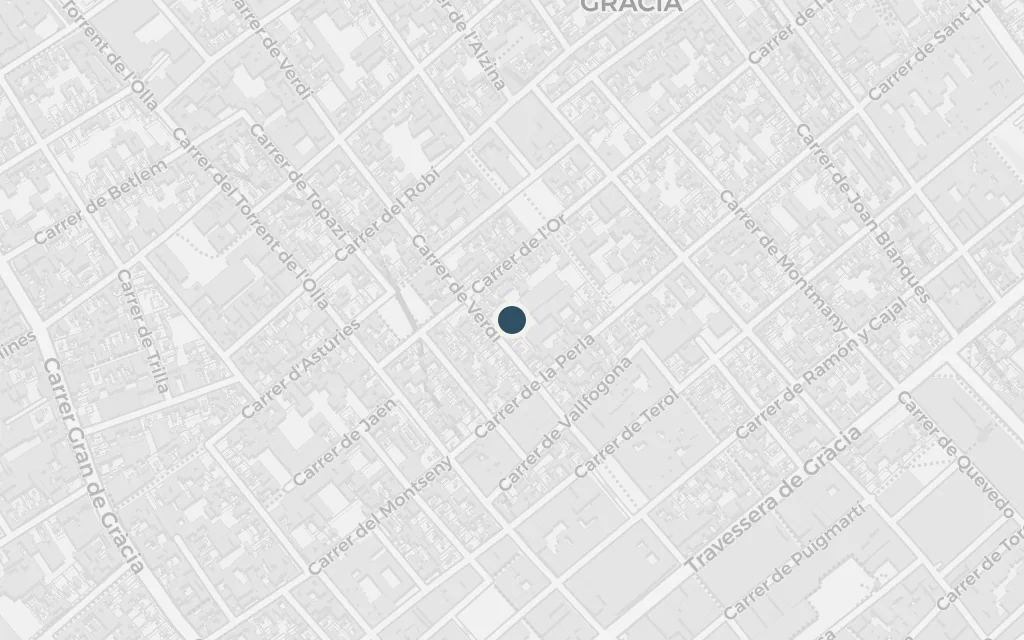
Map of Gràcia in the Civil War today
Barcelona today

When the war comes, Quimet and his friend Mateu go off to fight for the Republic and do not come back, and Natàlia is left alone with two children in a city of bombs, queues and starvation. Rodoreda renders the catastrophe entirely through a poor woman's daily struggle to survive it, the great history felt as hunger and fear.

The war chapters

explicitThe Spanish Civil War comes to the streets of Gràcia and Barcelona, with its militias, bombings and hunger; the real war is sited in the neighbourhood it devastates.

Open in Google Maps ↗Street View ↗

After the war75% in
Antoni

The shop (Antoni)

After the war

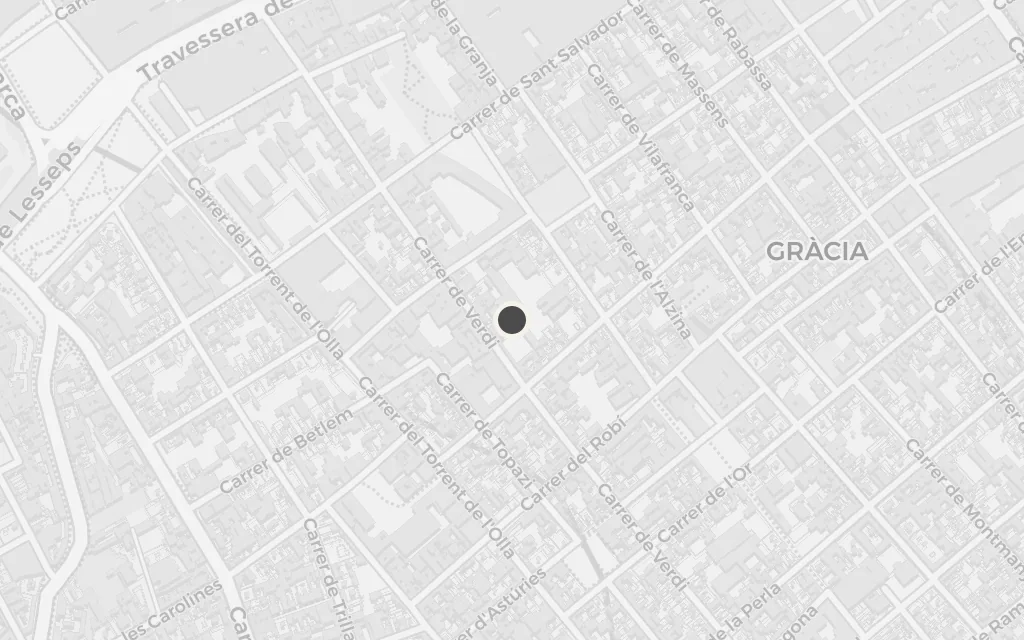
Map of The shop (Antoni) today
Barcelona today

Near starving, Natàlia goes to work cleaning and is at last rescued from destitution by the gentle grocer Antoni, who marries her and gives her a quieter life. The little shop, and Antoni's undemanding kindness, offer a fragile healing after the years of Quimet, war and loss.

The postwar chapters

inferredAfter the war Natàlia works and then marries the kindly grocer Antoni; the shop is invented and sited in the real Gràcia streets of the novel.

Open in Google Maps ↗Street View ↗

The ending100% in
Natàlia (Colometa)

Plaça del Diamant (the ending)

The ending

Map of Plaça del Diamant (the ending) today
Barcelona today

Years on, sleepless, Natàlia walks back to the Plaça del Diamant and stands where her life turned, and in a wordless cry into the dawn releases the weight of everything she has survived. Rodoreda ends on the same square where it began, a whole life of endurance closing its quiet circle.

The ending

explicitThe book closes back at the Plaça del Diamant, where Natàlia returns years later; the real square frames both the beginning and the end of her story.

Open in Google Maps ↗Street View ↗