Vargas Llosa's first novel maps a cruel adolescence onto real ground: the Leoncio Prado military academy on the fog-bound cliffs of La Perla in Callao, and the Lima the cadets slip out to on leave. The map runs from the barracks above the Pacific across the bay to middle-class Miraflores and bohemian Barranco, down to the Costa Verde, and back to the working-class streets of Callao the boys came from.
Almost the whole novel is set inside this state boarding academy, where boys from across Peru's classes and regions are drilled into a brutal hierarchy. A stolen chemistry exam and a pilfered rifle bolt set the plot moving; the cadets' own code, enforced by a gang who call themselves the Circle, governs everything the officers do not see.
Part One
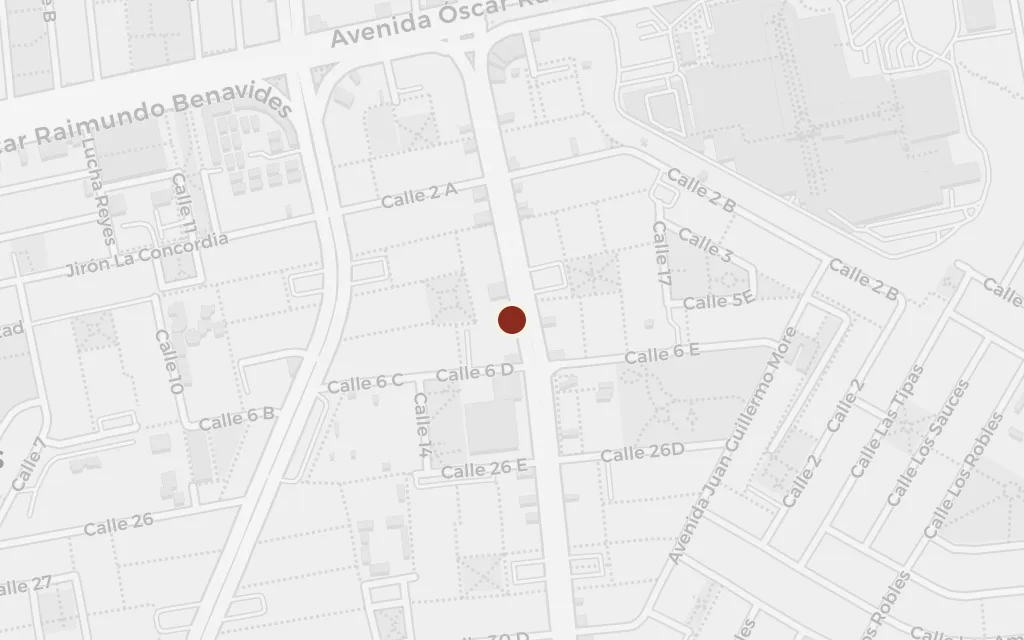
explicitThe academy is named in the novel and is a real, still-operating institution; the coordinates mark its campus in La Perla, Callao, where Vargas Llosa was himself a cadet.
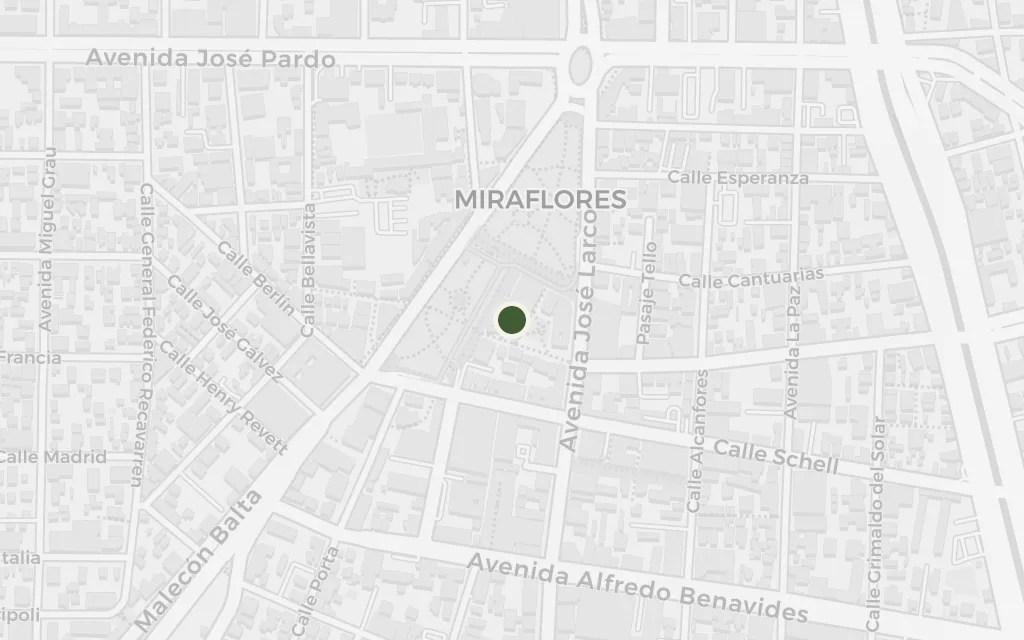
On leave, Alberto, the cadet nicknamed the Poet for the stories and letters he sells to the others, returns to comfortable Miraflores. His flirtation with a neighbourhood girl and his walks through these quiet streets stand in flat contrast to the violence he goes back to behind the academy walls.
Part One
explicitMiraflores is named as the middle-class district Alberto comes from; the novel moves through its streets without fixing one address, so this marks Parque Kennedy at the district's heart.
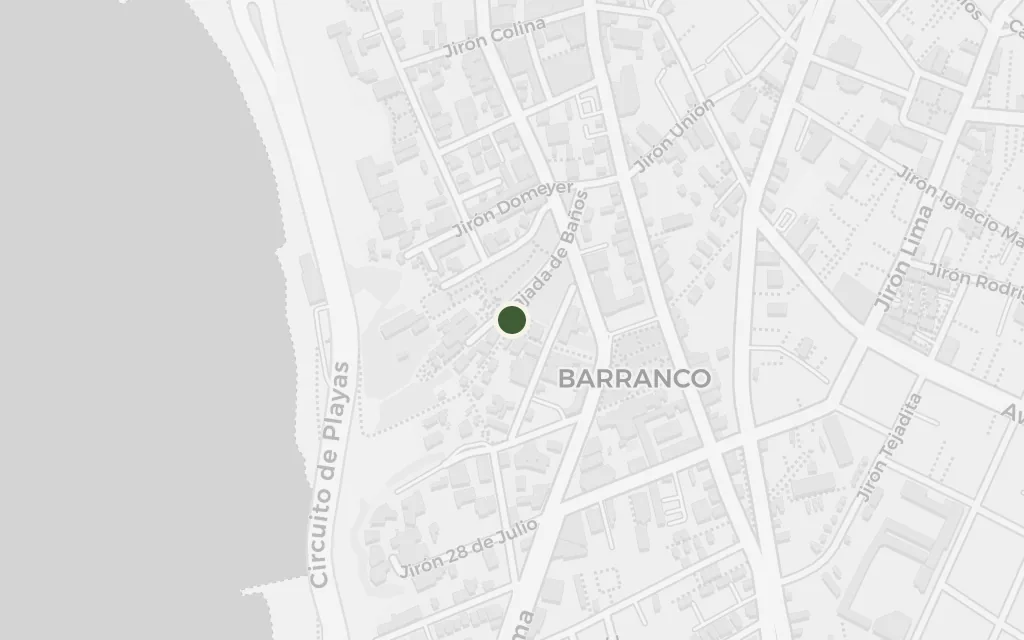
The bohemian, faded-genteel district just south of Miraflores is part of the cadets' world beyond the gates, a place of cinemas, girls and idle Sunday afternoons. For boys locked most of the week in the barracks, an outing to these streets above the sea is a taste of ordinary freedom.
Part One
explicitBarranco is named among the seaside districts the cadets frequent on leave; no single spot is fixed, so this marks the Puente de los Suspiros at the heart of the old bohemian quarter.
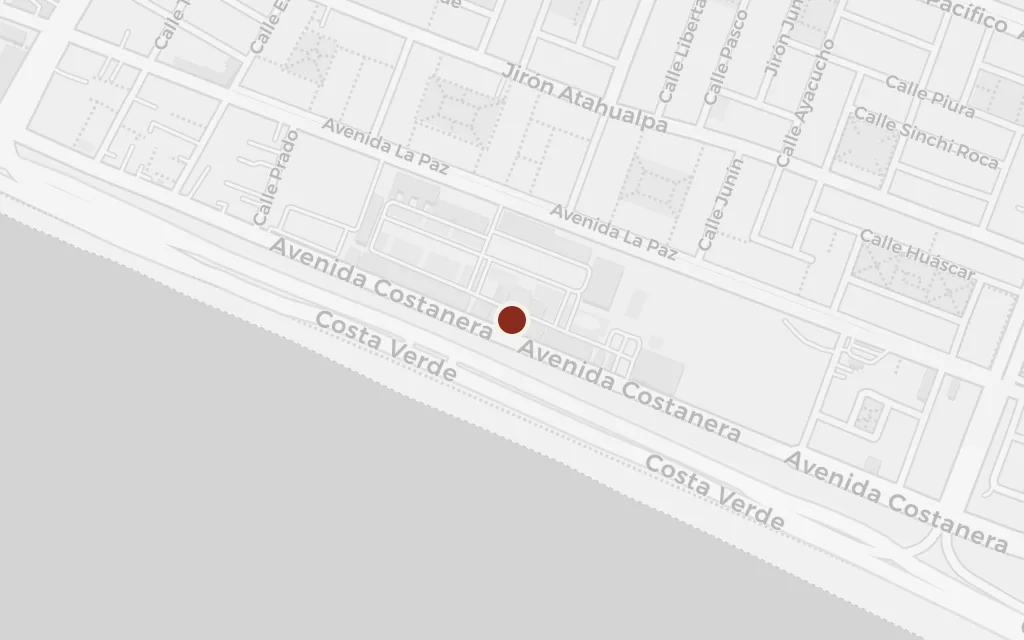
The open ground between the barracks and the sea, wrapped in coastal fog, is where the cadets run their manoeuvres. During one such exercise Ricardo Arana, the timid boy the others call the Slave, is shot in the head, and the death drives the rest of the book: accident, or reprisal for informing on the gang?
Part Two
explicitLa Perla is a real district and the academy sits on its coastal cliffs; the exact patch of ground used for the field exercise is not pinpointed, so this marks the shoreline just below the campus.
In flashback the reader sees where the toughest cadet, the Jaguar, came from: the poor streets of Callao, a world of petty theft and street fights that shaped the boy who now rules the barracks by fear. These origins are the counterweight to Alberto's sheltered Miraflores.
Part Two
inferredThe novel places the Jaguar's hard childhood in the working-class streets of Callao rather than at a named address; this marks the district of Bellavista as a representative point.
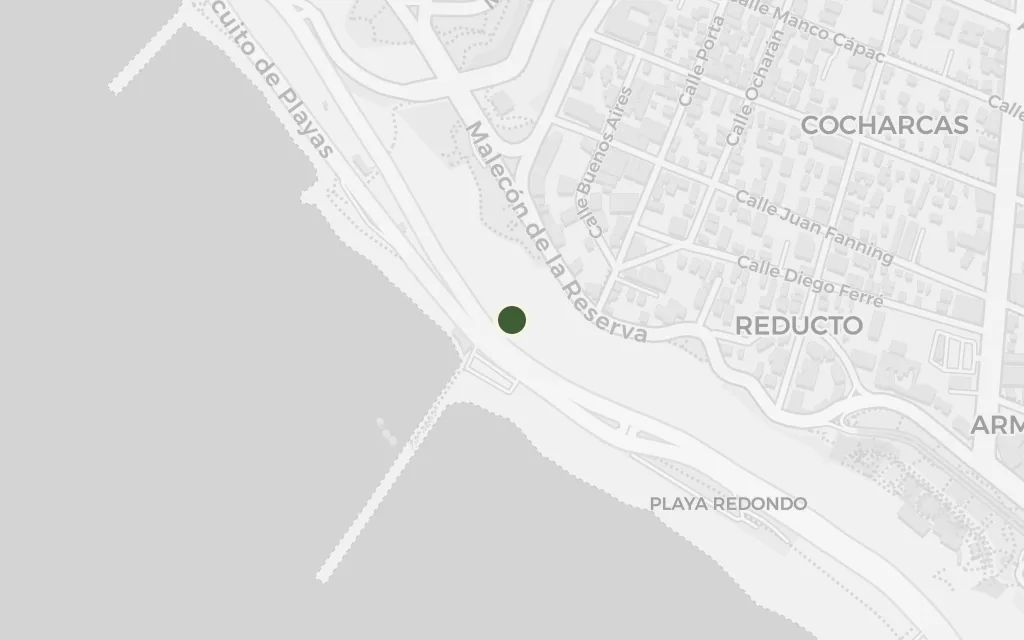
The beaches and coast road running along the foot of the cliffs, from Callao down past Miraflores and Barranco, edge the whole story. It is the same Pacific the cadets stare at from the academy walls, and it ties the boys' separate worlds, barracks and city, into one grey coastline.
Part Two
inferredThe strip of coast below the cliffs is a recurring backdrop rather than a single named scene; this marks a representative point on the Costa Verde below Miraflores.