The Lisbon of The Year of the Death of Ricardo Reis

In 1936 Ricardo Reis, one of Fernando Pessoa's poetic alter egos, returns from Brazil to Lisbon just after the poet's death, and drifts through the rainy city, visited by Pessoa's ghost, as fascism rises across Europe and Salazar's shadow deepens at home. Saramago maps a real Lisbon: the hotel where Reis lodges, the cemetery where he speaks with the dead Pessoa, the viewpoint over the Tagus, the river and its docks, and the watchful capital of the New State.

Author
José Saramago, 1984
Places
5

Open the interactive map →Visit Lisbon on Wikivoyage ↗

The return0% in
Ricardo Reis

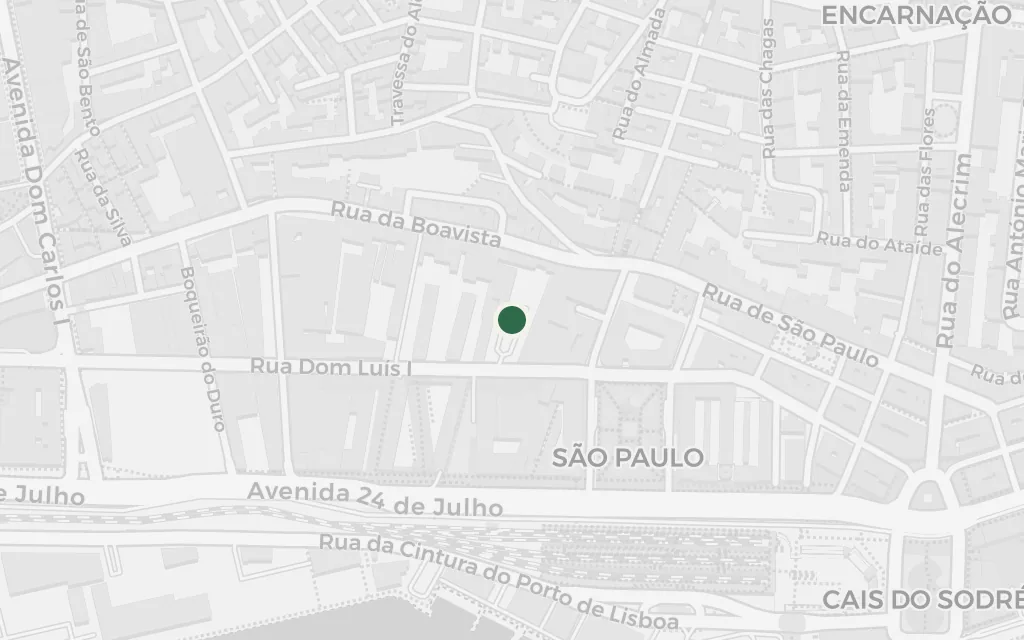
The Hotel Bragança

The return
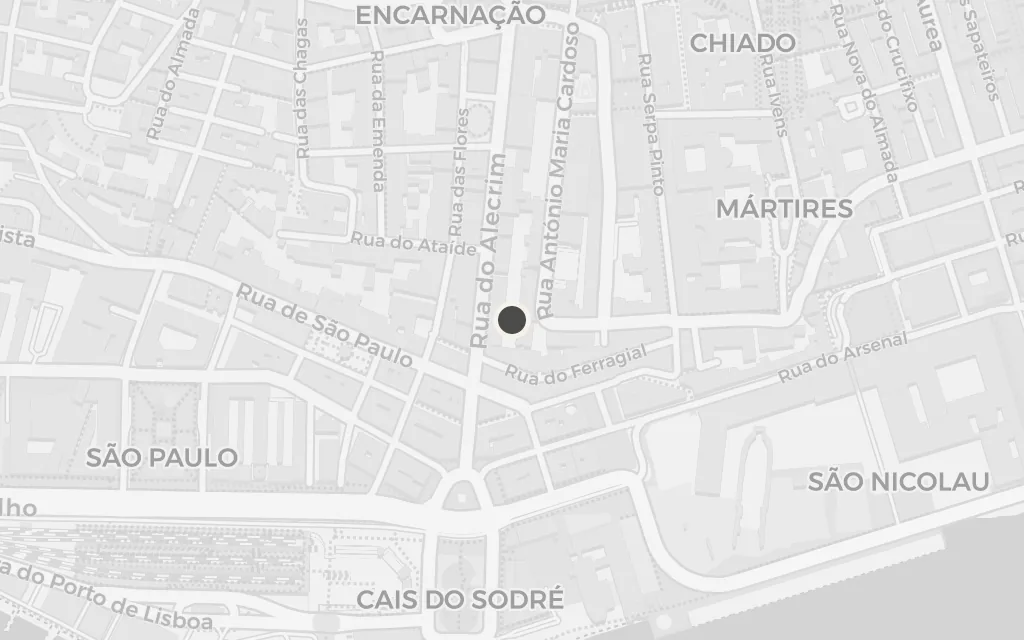
Map of The Hotel Bragança today
Lisbon today

Off the ship from Brazil, Reis takes a room at the Hotel Bragança and begins his aimless Lisbon days, waited on by the chambermaid Lídia, who becomes his lover. Saramago settles his heteronym-made-flesh into the ordinary textures of the old city, the hotel corridors and rainy streets, from which the whole strange, contemplative novel unfolds.

The opening chapters

explicitReis lodges at the Hotel Bragança near the Cais do Sodré on his return to Lisbon, a real establishment of the old lower city; sited there.
Open in Google Maps ↗Street View ↗

The dead poet25% in
Pessoa

Prazeres Cemetery

The dead poet

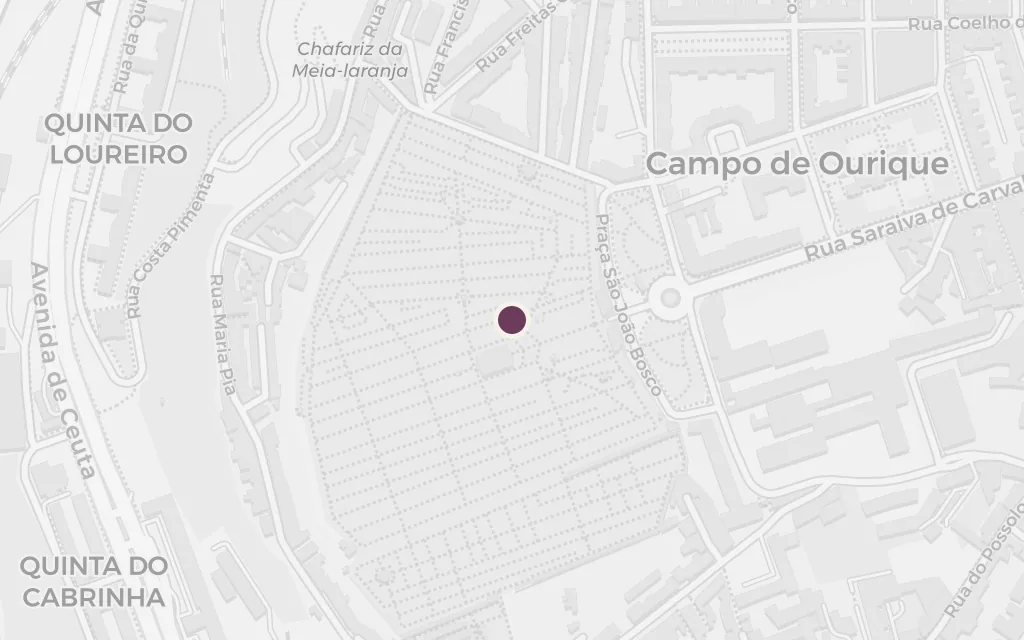
Map of Prazeres Cemetery today
Lisbon today

At the Cemitério dos Prazeres, Reis stands at the grave of Fernando Pessoa, the poet who invented him, and Pessoa's shade begins the visits that punctuate the book. Saramago's premise, a fiction returning to mourn its author, turns the real cemetery into the hinge of a haunting meditation on identity, art and mortality.

The cemetery chapters

explicitReis visits Fernando Pessoa's grave at the Cemitério dos Prazeres, the real Lisbon cemetery where Pessoa was buried; sited there.

Open in Google Maps ↗Street View ↗

Over the river50% in
Marcenda

The Adamastor viewpoint

Over the river

Map of The Adamastor viewpoint today
Lisbon today

At the Santa Catarina lookout, beneath the stone giant Adamastor from Camões's epic, Reis gazes over the river and turns his hopeless tenderness toward the young, ailing Marcenda. Saramago gathers the book's longing here above the water, the poet forever contemplating, never quite living, the life passing below him.

The viewpoint chapters

explicitReis broods at the Santa Catarina miradouro, with its statue of the giant Adamastor, a real Lisbon viewpoint over the Tagus; sited there.

Open in Google Maps ↗Street View ↗

The wider world75% in
Lídia

The Tagus and the docks

The wider world

Map of The Tagus and the docks today
Lisbon today

Down at the Tagus, the warships gather and the newspapers bring word of Spain sliding into civil war and Europe into fascism, while Lídia's brother, a sailor, is drawn toward mutiny. Through the docks Saramago lets the storming outer world press upon Reis's cloistered melancholy, the history he would rather not notice closing in.

The riverside chapters

explicitThe Tagus waterfront and docks, where ships come and go and the news of the world arrives, are the real riverside of Lisbon; sited there.

Open in Google Maps ↗Street View ↗

The ending100% in
Ricardo Reis

The city of the New State

The ending

Map of The city of the New State today
Lisbon today

As the year turns, Salazar's New State tightens its grip, and Reis, ever the detached observer, is quietly worn down until Pessoa comes to lead him away for good. Saramago closes on the poet walking off into death with his maker, a farewell to a man who watched the whole world without ever taking his own part in it.

The closing chapters

inferredThe Lisbon of Salazar's authoritarian New State, with its processions, propaganda and quiet fear, is the real political climate of 1936; sited in the city centre.

Open in Google Maps ↗Street View ↗