The Marstal of We, the Drowned

A century of seafarers from the little Danish town of Marstal on the island of Ærø, from the 1848 war to 1945, whose men sail the world's oceans and drown in them by the boatload while their women wait at home. Jensen roots the epic in the real port town, its harbour and shipyards, and follows its sailors, Laurids Madsen who went to heaven and came back, his son Albert, the boy Knud Erik, out to the far ports of the South Seas and into the U-boat wars of the Atlantic, and back to the widows of Marstal.

Author
Carsten Jensen, 2006
Places
5

Open the interactive map →

18480% in
Laurids Madsen

Marstal (the town)

1848
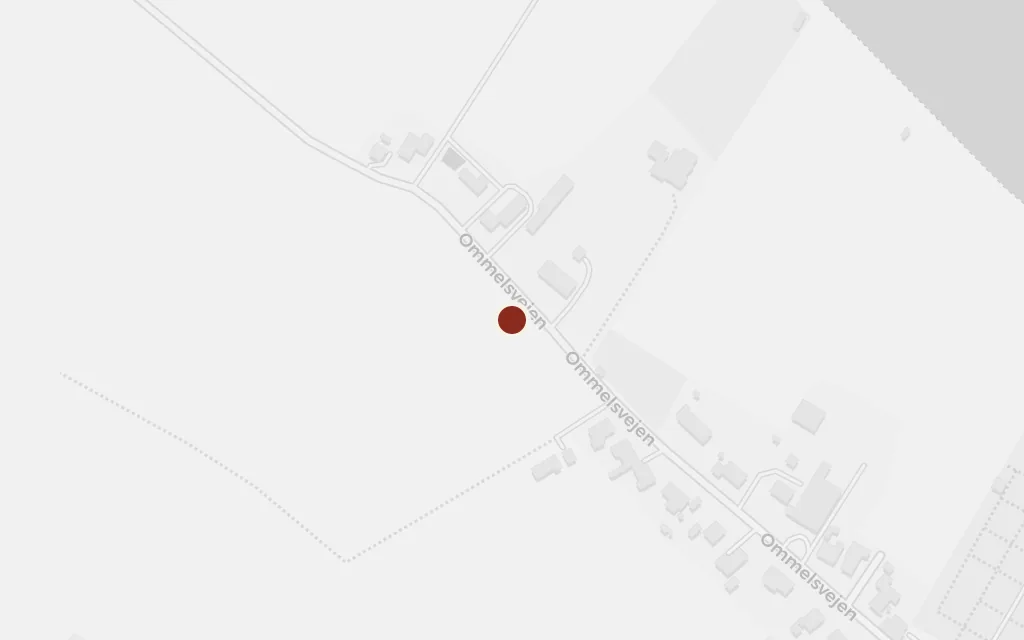
Map of Marstal (the town) today
Marstal today

In Marstal, a town that lives entirely by and for the sea, Laurids Madsen becomes a legend when he is blown sky-high in the 1848 war and, as the town tells it, goes up to heaven and comes back down alive. From this first tall tale, Jensen spins a century of the town's men, bound by blood and boats to an element that will take most of them.

The opening

explicitThe epic is anchored in Marstal, the real seafaring town on the Danish island of Ærø, whose sailors and ships fill the book; the town is its fixed home port.
Open in Google Maps ↗Street View ↗

The town25% in
Albert Madsen

The harbour and shipyards

The town

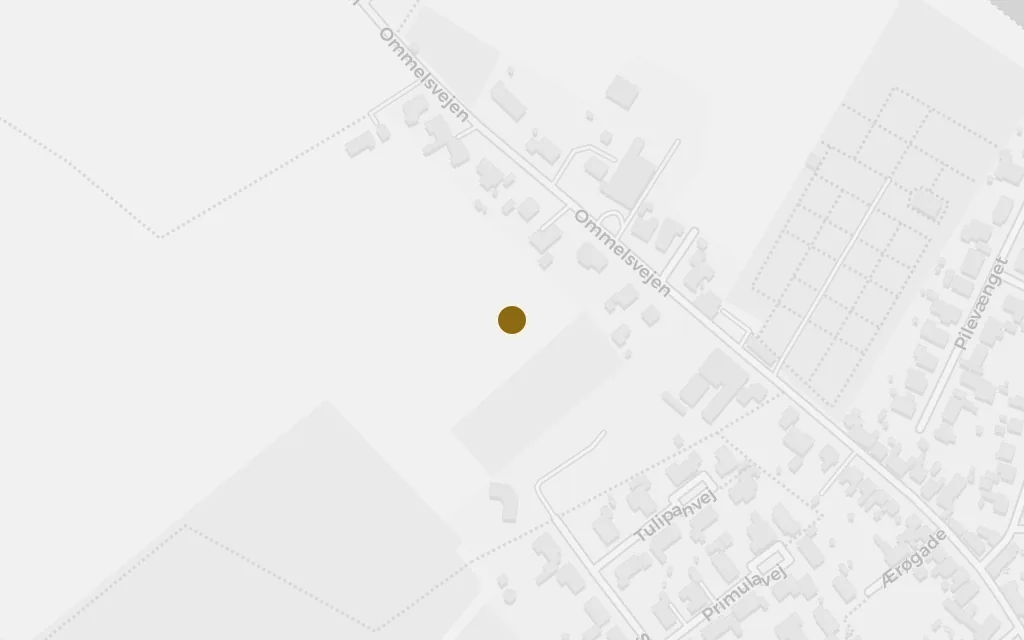
Map of The harbour and shipyards today
Marstal today

Around the harbour and the yards where the wooden ships are built and rigged, the whole town's fortunes rise and fall with the trade and the tides. Laurids's son Albert grows into the town's memory and conscience, the keeper of its stories and, in a strange shrunken head he brings home, of its guilt.

The town chapters

explicitMarstal's harbour and shipyards, real to the town's history as a great age-of-sail port, are the beating heart of its life; sited on the town's waterfront.

Open in Google Maps ↗Street View ↗

The wandering50% in
Laurids Madsen

The far ports (the South Seas)

The wandering

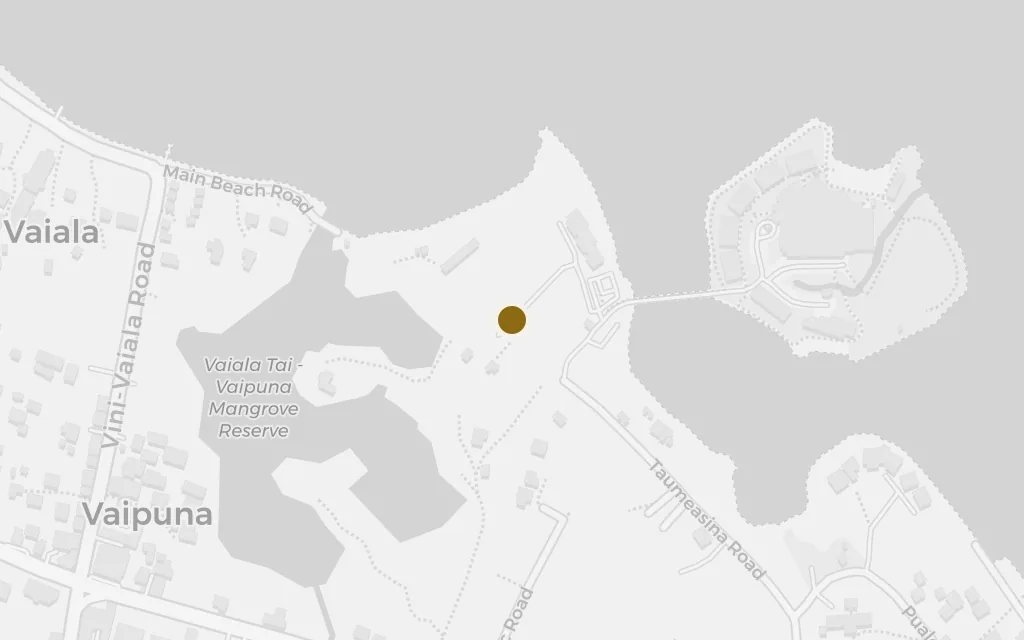
Map of The far ports (the South Seas) today
Marstal today

Laurids sails off and disappears into the wide world, ending up on a South Sea island and never coming home, one of the many Marstal men swallowed by the globe. Jensen follows the town's sailors to the ends of the earth, their wanderings a map of the whole age of sail and its human cost.

The wandering chapters

inspired byMarstal's sailors, Laurids among them, roam the world's oceans and vanish into far ports such as the South Seas; the specific islands are the novel's own, sited far from Denmark.

Open in Google Maps ↗Street View ↗

1914-194575% in
Knud Erik

The wars at sea

1914-1945

Map of The wars at sea today
Marstal today

In the two world wars, Marstal's merchant sailors, the boy Knud Erik grown to a captain among them, are hunted and drowned by mines and torpedoes across the oceans. The 'we the drowned' of the title are these countless dead, the whole town's men lost to the sea and to other men's wars.

The war chapters

explicitThe Marstal ships and men are lost in the U-boat wars of the twentieth century on the Atlantic and beyond; the real theatres of the world wars claim generations of the town's sailors.

Open in Google Maps ↗Street View ↗

The home town100% in
Klara

Marstal (the widows)

The home town

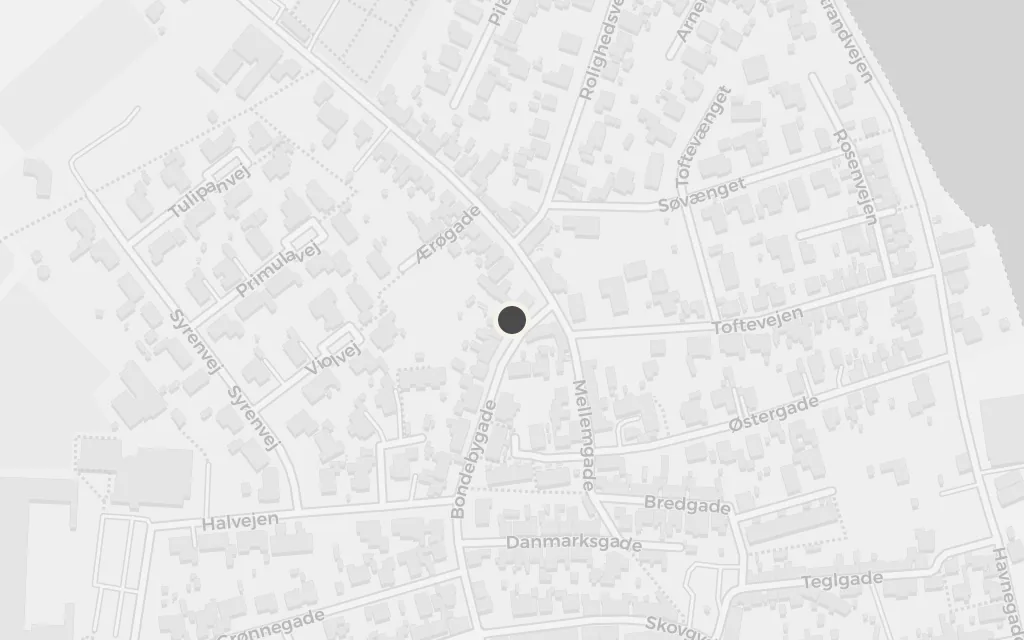
Map of Marstal (the widows) today
Marstal today

In Marstal the widow Klara Friis, having lost her husband to the sea, sets out to break the town's fatal bond with the ocean and keep her son ashore, even buying up the fleet to end it. Her doomed struggle against a whole town's seafaring destiny gives the epic its final, grieving argument between the sea's glamour and its slaughter.

The home-town chapters

explicitBack in Marstal the women wait, and mourn, and try to keep their sons off the ships; the real town is where the cost of all the drownings is finally counted.

Open in Google Maps ↗Street View ↗