The London of Wolf Hall

Tudor London seen from the desk of a blacksmith's son who rises to run a kingdom. The map holds the City around Cromwell's own house at Austin Friars, then reaches west to Cardinal Wolsey's York Place as it becomes the King's Whitehall, downriver to the Tower, and upriver past Putney to the palace at Hampton Court.

Author
Hilary Mantel, 2009
Places
6

Open the interactive map →Visit London on Wikivoyage ↗

Part One0% in
Thomas Cromwell

Putney, the smith's yard

Part One
Map of Putney, the smith's yard today
London today

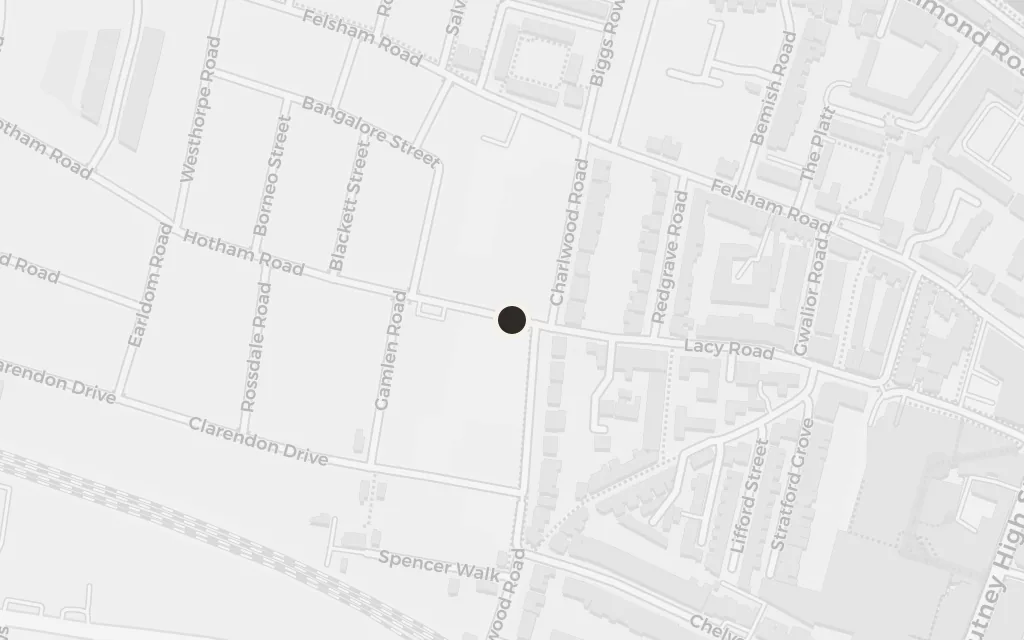
The story begins on the ground, with a beaten boy fleeing his violent father in a riverside village. Putney is where the future councillor starts as a blacksmith's son, and the distance from here to the King's chamber is the whole arc of the book.

Part One, opening

inferredCromwell was born in Putney, then a Thames-side village upstream of London, around 1485; the family's exact plot is not recorded, so this marks the riverside village near Brewhouse Lane where his father Walter kept a brewery and forge.
Open in Google Maps ↗Street View ↗

Part Two20% in
Thomas Cromwell

Cromwell's house, Austin Friars

Part Two

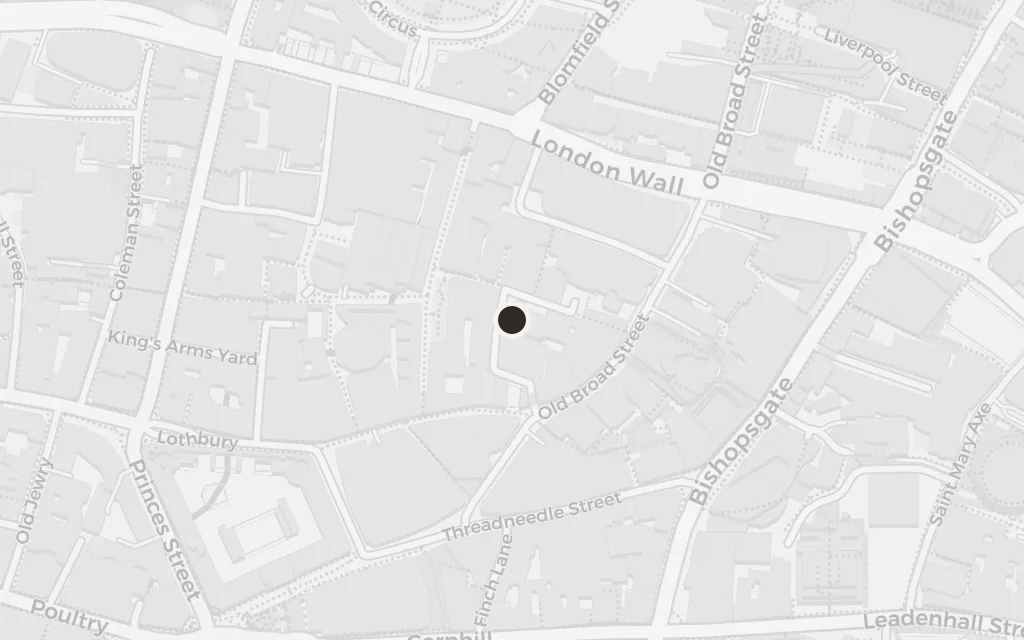
Map of Cromwell's house, Austin Friars today
London today

The book's warm heart is the busy household Cromwell runs in the City: clerks, wards, ledgers and a table always laid for one more guest. He enlarged his home out of the friary land at Austin Friars, and after his fall the Crown seized it. The precinct's church still stands as the Dutch Church.

Parts Two to Six

inferredCromwell built one of the City's largest private mansions within the Augustinian friary precinct at Austin Friars, but the house is gone; this marks the precinct centre at the surviving Dutch Church, raised in the old friary nave.

Open in Google Maps ↗Street View ↗

Part Three40% in
Thomas Cromwell

York Place, becoming Whitehall

Part Three

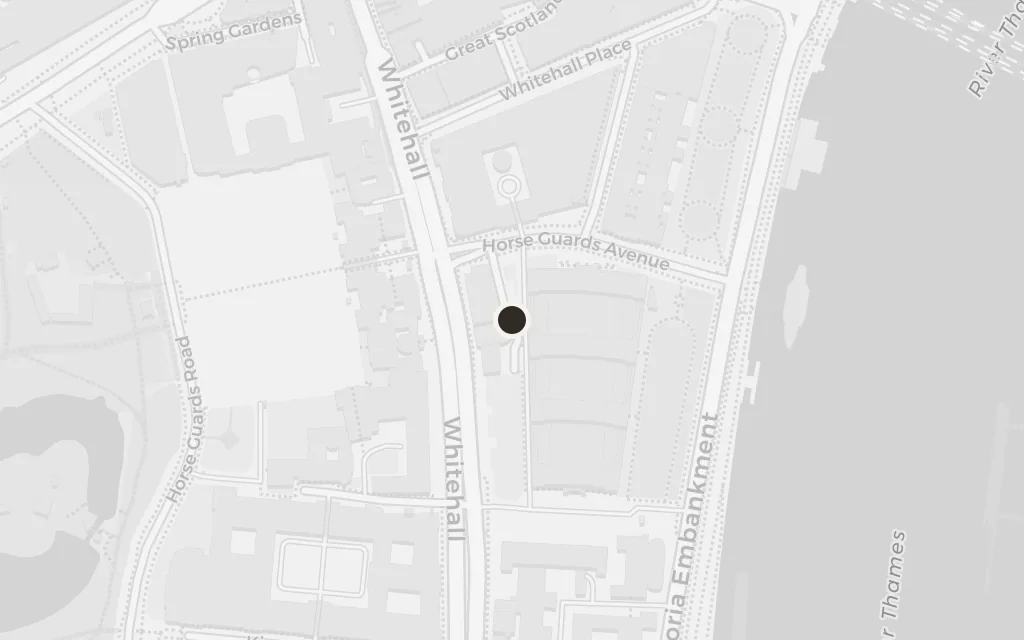
Map of York Place, becoming Whitehall today
London today

When Cardinal Wolsey falls, the King takes his grand riverside house at York Place and makes it Whitehall, the new seat of the court. Cromwell moves with the power, from the cardinal's service into the King's, and the transfer of this one building marks the hinge of his rise.

Parts Three to Five

explicitYork Place, the archbishops of York's London residence, passed to the King after Wolsey's fall and was rebuilt as the Palace of Whitehall; nothing Tudor survives above ground, so this marks the site at the Banqueting House, the one standing fragment.

Open in Google Maps ↗Street View ↗

Part Five60% in
Thomas Cromwell

The Tower of London

Part Five

Map of The Tower of London today
London today

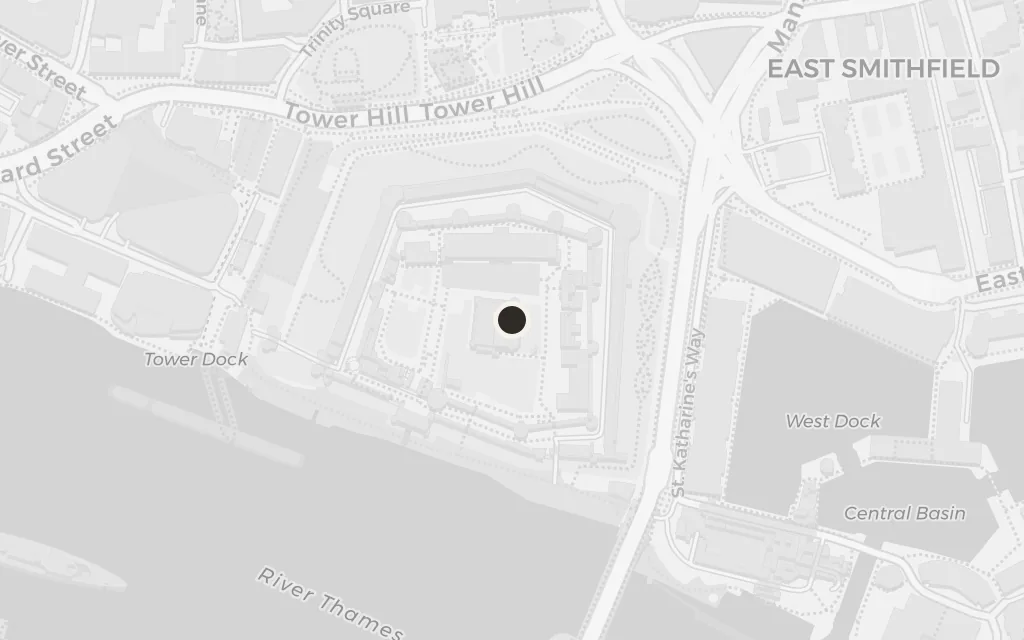
The fortress downriver is where the King's business turns lethal. Thomas More is held and questioned here before his execution, and Cromwell is the man who must manage it. The Tower is the place the book keeps returning to when loyalty runs out.

Parts Five and Six

explicitThe Tower is named in the novel and stands today, both fortress and state prison; sited at the White Tower at the centre of the complex.

Open in Google Maps ↗Street View ↗

Part Four80% in
Thomas Cromwell

Hampton Court Palace

Part Four

Map of Hampton Court Palace today
London today

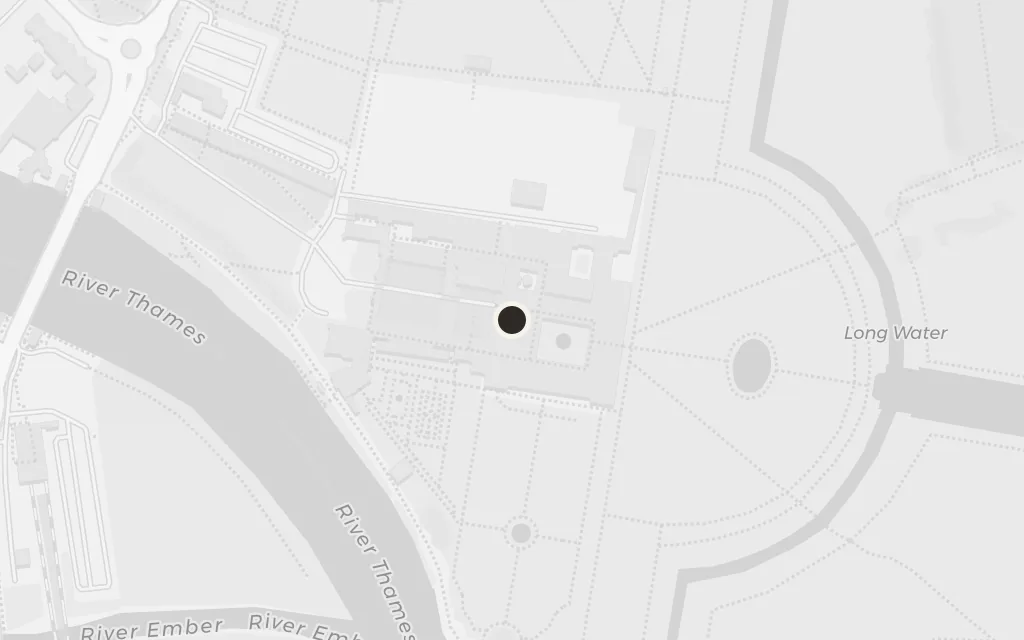
Wolsey's country palace upriver is the measure of how high a cardinal could reach, and of how much the King wanted it. When it passes to Henry, the lesson is not lost on Cromwell: build magnificently, and be ready to hand it over. The Tudor palace still stands.

Part Four

explicitHampton Court is named and stands today; Wolsey built the palace and it passed to the King. It sits about twenty kilometres upriver, at the western edge of the book's Greater-London map.

Open in Google Maps ↗Street View ↗

Part Six100% in
Thomas Cromwell

Wolf Hall, Wiltshire

Part Six

Map of Wolf Hall, Wiltshire today
London today

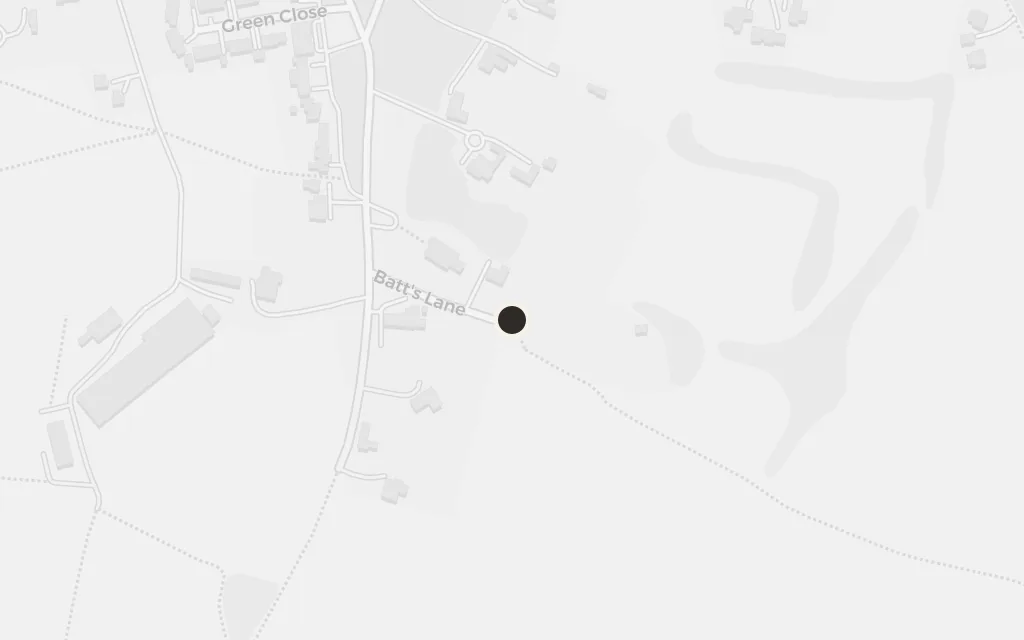
The title names a place the reader barely reaches: the Seymour seat in Wiltshire, where the court will progress and where Jane Seymour waits at the edge of the story. It hangs over the last pages as the next move on the board, far from the City where Cromwell does his work.

Part Six, Wolf Hall

explicitWulfhall, near Burbage in Wiltshire, was the Seymour family seat; the Tudor house is gone, and this marks its recorded site, roughly 110 kilometres west of London and well outside the book's London map.

Open in Google Maps ↗Street View ↗